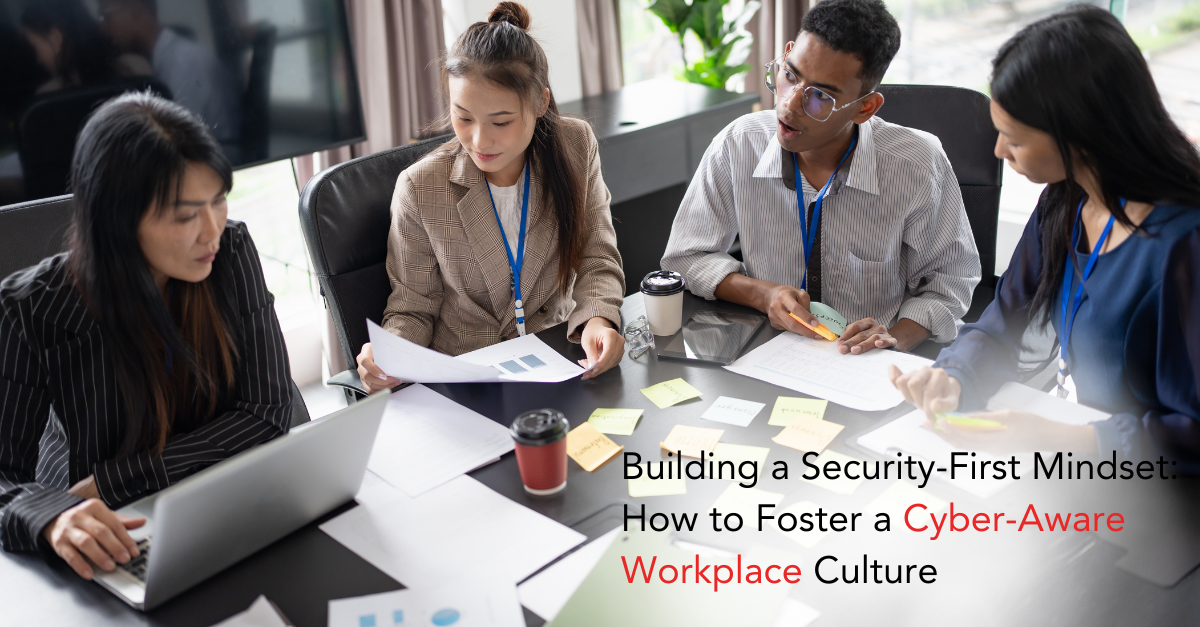
Cybersecurity isn’t just a set of technical tools it’s a culture.
While firewalls, anti-virus software, and cloud protections are critical, employee behavior often determines whether those defenses succeed or fail.
One careless click can undo years of IT investment, exposing sensitive data and disrupting operations.
To truly protect your organization, you need to build a security-first mindset where every employee understands their role in keeping data safe.
Here’s how to foster a cyber-aware workplace culture that protects your business today and prepares it for tomorrow.
Why Culture Is Key to Cybersecurity
Technology can stop many attacks, but human error remains the leading cause of breaches.
Phishing scams, weak passwords, and risky online habits all exploit employees rather than software.
A cyber-aware culture ensures that security becomes part of daily routines—just like locking doors at the office or wearing seatbelts in a car.
Companies with strong security cultures:
- Detect phishing attempts faster.
- Respond to incidents more effectively.
- Maintain customer trust even after attempted attacks.
Organizations that embrace a multi-layered cybersecurity strategy combine technology and employee awareness for the best protection.
Start with Executive Buy-In
Security culture starts at the top. Leadership must prioritize cybersecurity as a business goal, not just an IT project.
When executives model secure behavior—using strong passwords, enabling multi-factor authentication, and attending training sessions—employees follow suit.
Business leaders can reinforce this mindset by partnering with providers that deliver managed IT support and provide measurable improvements in cybersecurity posture.
Build Clear Policies and Communicate Them
Employees can’t follow rules they don’t understand.
Create written policies that cover:
- Password requirements and rotation schedules.
- Rules for using personal devices or public Wi-Fi.
- Procedures for reporting suspicious emails or security incidents.
These policies should be easy to find and regularly updated. Automating enforcement through intelligent network management ensures consistency across departments and locations.
Deliver Ongoing Cybersecurity Training
Annual training isn’t enough. Cyber threats evolve constantly, and employees need regular refreshers to stay alert.
Effective programs include:
- Phishing simulations to teach employees how to identify fraudulent emails.
- Password management workshops to encourage use of secure credentials and password managers.
- Real-world case studies that illustrate the cost of poor security habits.
Continuous education supported by anti-phishing strategies helps employees recognize and resist sophisticated scams.
Promote Smart Password Practices
Passwords remain the first line of defense—and one of the weakest links.
Require strong, unique credentials for every account and encourage the use of password managers. Companies can strengthen defenses by implementing multi-factor authentication and leveraging a cloud-smart security strategy to protect credentials stored in cloud applications.
Encourage Reporting Without Fear
Employees must feel comfortable reporting suspicious activity—even if they’ve made a mistake.
A blame-free reporting culture ensures that potential breaches are addressed quickly, limiting damage. Leaders can reinforce this by creating clear escalation paths and ensuring rapid response through strategic IT consulting services.
Integrate Security Into Daily Operations
Cybersecurity shouldn’t feel like an extra chore. Make it part of daily workflows:
- Use single sign-on (SSO) to reduce password fatigue.
- Automate updates and patches to close vulnerabilities.
- Back up critical data regularly to protect against ransomware.
A trusted partner can help by deploying ransomware-proof backup plans and ensuring backups are encrypted and tested.
Secure Remote and Hybrid Workforces
With more employees working remotely, securing home networks and mobile devices is essential.
Provide clear guidelines for connecting to company resources and enforce them through tools such as cloud misconfiguration protection. CMIT Solutions also offers strategies for protecting the anywhere office, ensuring that data stays safe no matter where employees log in.
Align Security with Compliance Requirements
Many industries must meet regulations such as HIPAA, PCI DSS, or GDPR.
Building a security-first culture simplifies compliance by making good habits routine. Automate documentation and audits with compliance management solutions to avoid penalties and maintain customer trust.
Plan for the Unexpected
Even the best culture and tools can’t guarantee total prevention.
A strong incident response and recovery plan ensures business continuity if an attack occurs. Create redundant backups and test recovery procedures regularly. Learn how backup and business continuity strategies keep operations running when disaster strikes.
The Role of Strategic Tech Guidance
Technology changes quickly, and cybersecurity strategies must evolve with it.
Partnering with an experienced provider ensures that your policies, training, and tools stay effective.
A proactive digital growth strategy helps align security investments with business goals while preparing for emerging threats.
Conclusion: Make Security Everyone’s Job
Creating a cyber-aware workplace is not just about technology—it’s about people.
By securing executive support, delivering ongoing training, and integrating security into everyday operations, organizations can foster a culture where every employee is part of the defense.
From multi-layered cybersecurity to ransomware-proof backup plans, CMIT Solutions provides the technology and guidance Dallas businesses need to stay secure.
Start building a security-first mindset today to protect your people, your data, and your future.