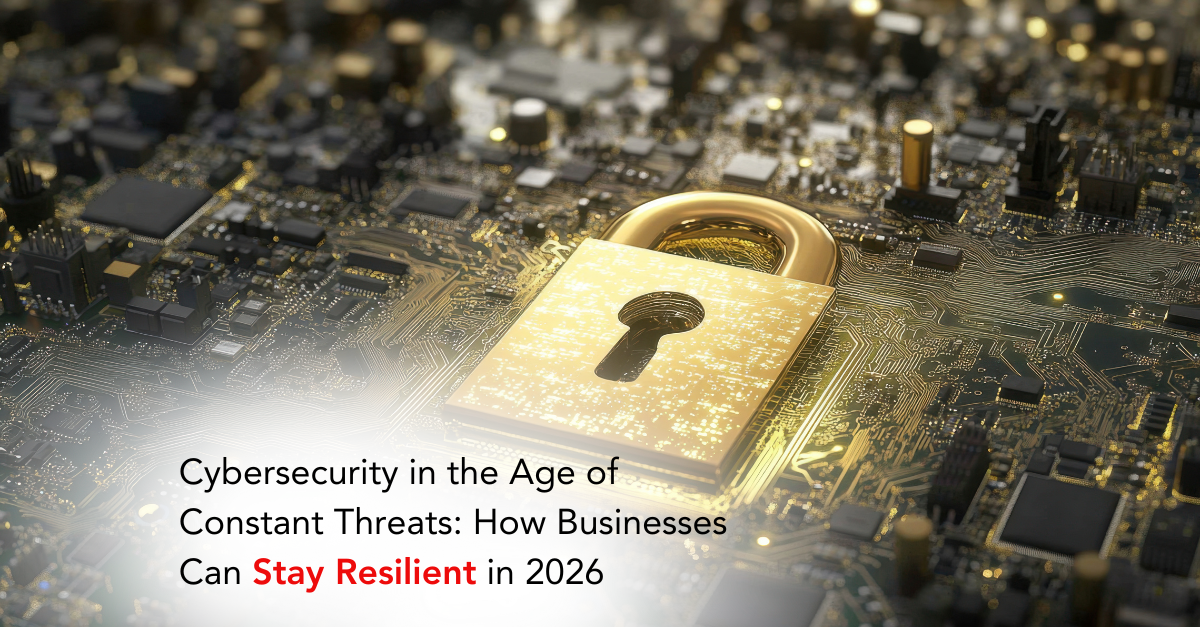
Cybersecurity is no longer about stopping a single breach it is about maintaining resilience in an environment where threats are constant, automated, and increasingly sophisticated. As businesses expand cloud usage, support remote workforces, and rely on AI-driven tools, cyber risk has become a daily operational reality rather than an occasional emergency.
In 2026, organizations that treat cybersecurity as a core business function—not just an IT responsibility are far better positioned to protect revenue, customer trust, and long-term growth.
Why Cybersecurity Has Become a Business Continuity Issue
Modern cyber incidents disrupt far more than data. They interrupt operations, halt customer services, and delay growth initiatives. Even brief incidents can have long-term consequences.
This shift is pushing organizations to embed security into long-term digital strategy rather than reacting after damage occurs.
- Cyber incidents directly affect daily operations
- Downtime now translates into immediate revenue loss
- Customer trust is tied to security posture
- Business continuity depends on cyber resilience
Threat Actors Are Targeting Behavior, Not Just Systems
Today’s attackers rely less on software vulnerabilities and more on manipulating users, credentials, and trust. Phishing, credential theft, and social engineering dominate modern attack methods.
This reality explains the growing adoption of zero trust security.
- Stolen credentials bypass traditional defenses
- Phishing exploits human behavior
- Trust-based access is abused
- Attacks blend into normal activity
The Limits of Perimeter-Based Security
Firewalls and antivirus tools alone are no longer sufficient. Many modern attacks operate entirely inside trusted environments using legitimate credentials.
Businesses adopting multi layered cybersecurity are better equipped to detect and contain these threats.
- Perimeter defenses miss internal threats
- Layered controls reduce attack success
- Behavioral monitoring improves detection
- Security becomes adaptive
Proactive Security Reduces Downtime and Risk
Reactive security leaves gaps between incidents. Proactive monitoring identifies threats early and reduces both impact and recovery time.
This approach aligns with proactive IT support strategies focused on prevention.
- Continuous monitoring detects threats earlier
- Issues are addressed before escalation
- Downtime is minimized
- Response becomes predictable

Cloud Security Requires Intentional Design
As businesses rely more on cloud platforms, misconfigurations have become a leading cause of breaches. Security must be built into cloud environments from the start.
Organizations following a cloud smart approach balance flexibility with control.
- Secure access supports remote teams
- Permissions are tightly controlled
- Visibility improves threat detection
- Costs and risk remain manageable
Network Visibility Is Critical to Threat Detection
Without visibility into network behavior, threats can remain undetected for extended periods. Monitoring traffic and access patterns provides early warning signals.
This is why network visibility plays a critical role in cybersecurity.
- Abnormal behavior signals compromise
- Lateral movement becomes detectable
- Data exfiltration triggers alerts
- Faster response limits damage
Compliance Pressure Is Increasing Cyber Risk Exposure
Regulatory frameworks increasingly demand strong access controls, audit trails, and data protection. Cyber incidents often trigger compliance investigations alongside recovery efforts.
Using automated compliance helps organizations stay audit-ready.
- Audit readiness becomes continuous
- Access controls support accountability
- Risk exposure is reduced
- Compliance supports growth
Backup and Recovery Are Core Security Controls
Cybersecurity does not end with prevention. Recovery planning determines how quickly businesses can resume operations after an incident.
Maintaining ransomware proof backups ensures data availability during attacks.
- Data remains accessible during incidents
- Recovery timelines are shortened
- Operations resume faster
- Business continuity is preserved
Strategic Security Planning Prevents Tool Sprawl
Accumulating security tools without strategy creates blind spots and complexity. Effective cybersecurity requires coordination and alignment.
This is where IT consulting delivers value.
- Security investments align with business goals
- Redundant tools are eliminated
- Systems integrate effectively
- Long-term costs are controlled

Why Managed IT Services Strengthen Cyber Resilience
Cybersecurity requires constant oversight, updates, and expertise that many businesses cannot sustain internally.
Partnering with managed IT services provides continuous protection.
- Continuous threat monitoring
- Centralized security management
- Rapid incident response
- Predictable operational support
Cyber-Resilient Businesses Adapt Faster
Organizations with strong cybersecurity foundations adapt more easily to new technologies, regulations, and work models.
This adaptability is reinforced through digital transformation.
- Faster adoption of new tools
- Secure collaboration across teams
- Improved operational confidence
- Sustained competitive advantage
The Cost of Delaying Cybersecurity Investment
Organizations that delay cybersecurity improvements often face far greater costs after an incident occurs.
Preventing disruption through downtime prevention protects growth momentum.
- Revenue loss from outages
- Customer dissatisfaction
- Increased cyber exposure
- Long-term recovery strain
Conclusion: Cybersecurity Is the Foundation of Digital Growth
In 2026, cybersecurity is no longer optional or isolated it is foundational to how businesses operate, grow, and compete. Organizations that invest in layered defenses, proactive monitoring, and strategic planning are far better equipped to face constant threats with confidence.
Cybersecurity done right does not slow businesses down. It enables resilience, trust, and sustainable growth in an increasingly hostile digital environment.