Cybersecurity is no longer a concern that can be delegated solely to IT teams or treated as a technical afterthought. As cyber threats become more disruptive and unpredictable, resilience the ability to withstand, respond to, and recover from cyber incidents has become a core business leadership responsibility.
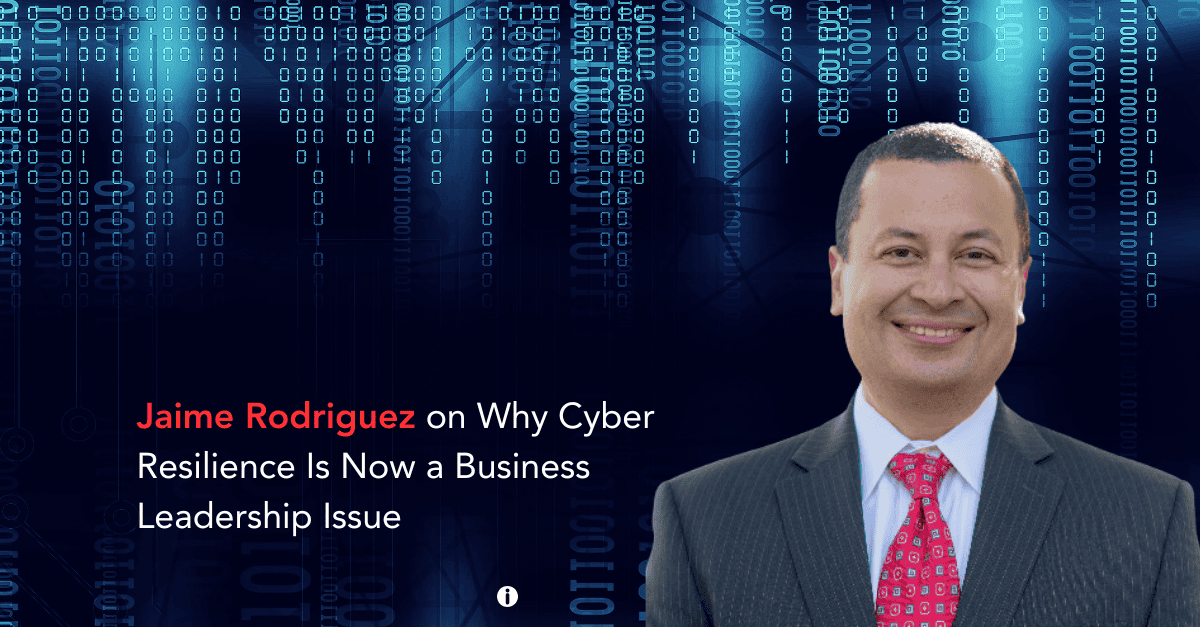
According to Jaime Rodriguez, President of CMIT Solutions of Dallas, cyber resilience is not just about protecting systems; it’s about protecting the business itself. Downtime, data loss, and operational disruption directly affect revenue, reputation, and customer trust. Leaders who fail to recognize this shift put their organizations at risk.
Today’s executives must understand cyber resilience as a strategic discipline that touches every part of the organization. Below are ten leadership-focused insights that reflect Jaime Rodriguez’s perspective on why cyber resilience now belongs at the executive level.
Cyber Risk Has Become Business Risk
Cyber incidents no longer stay confined to servers and networks. They interrupt operations, halt productivity, and affect customers directly. From leadership’s perspective, a cyber event is no different from any other major business disruption.
Jaime Rodriguez emphasizes that when technology failure stops revenue-generating activities, cybersecurity becomes a business risk that leaders must own. Treating it as an IT-only issue creates blind spots that delay response and recovery.
Cyber resilience starts with recognizing the business impact of cyber risk.
This shift is driven by:
- Technology underpinning daily operations
- Direct revenue loss during downtime
- Increased customer and partner expectations
- Broader organizational exposure to digital threats
Leadership Accountability Drives Cyber Readiness
When cybersecurity ownership is unclear, preparedness suffers. Jaime Rodriguez points out that leadership accountability sets the tone for how seriously cyber resilience is taken across the organization.
Executives who actively engage in cyber planning ensure resources, priorities, and policies align with risk. This leadership involvement reinforces that resilience is a shared responsibility—not a siloed function.
Accountability at the top strengthens preparedness throughout the business.
Leadership-driven readiness includes:
- Executive involvement in cyber planning
- Clear ownership of risk decisions
- Alignment between business and IT priorities
- Consistent support for security initiatives
Resilience Is About Continuity, Not Just Defense
Traditional cybersecurity focuses heavily on prevention. While prevention is important, Jaime Rodriguez stresses that resilience goes further it ensures the business can continue operating even when defenses are challenged.
Leaders must ask not only how to stop attacks, but how quickly the organization can recover and adapt. Resilience planning prioritizes continuity over perfection.
Preparedness matters more than avoidance.
Resilient organizations focus on:
- Maintaining critical operations
- Rapid recovery capabilities
- Clear response procedures
- Minimizing business disruption

Cyber Decisions Shape Customer Trust
Customers may never see internal security systems, but they feel the impact of cyber disruptions immediately. Service interruptions, data exposure, and delayed responses erode confidence.
From Jaime Rodriguez’s viewpoint, cyber resilience is directly tied to customer trust. Leadership decisions around preparedness influence how customers perceive reliability and professionalism.
Trust is built on consistent, uninterrupted service.
Customer trust is affected by:
- Speed of incident response
- Continuity of service delivery
- Transparency during disruptions
- Protection of sensitive information
Leadership Sets the Culture Around Cyber Responsibility
Cyber resilience depends as much on people as it does on technology. Jaime Rodriguez highlights that leadership behavior influences how employees approach security in daily work.
When leaders prioritize resilience, employees follow suit. When it’s ignored, risky behavior becomes normalized. Culture starts at the top.
Leadership commitment shapes organizational behavior.
A strong cyber culture includes:
- Clear expectations for data handling
- Encouragement of responsible behavior
- Open communication about risk
- Shared accountability across teams
Strategic Planning Must Include Cyber Scenarios
Business planning often focuses on growth, expansion, and efficiency. Jaime Rodriguez emphasizes that cyber disruption scenarios must be part of that planning process.
Leadership teams that include cyber considerations in strategic discussions are better prepared to navigate unexpected events. Ignoring these scenarios leaves businesses vulnerable.
Prepared leaders plan for disruption.
Cyber-aware strategic planning considers:
- Potential operational impacts
- Recovery timelines and priorities
- Resource allocation during incidents
- Long-term resilience investments

Cyber Resilience Requires Cross-Department Alignment
Cyber resilience cannot succeed in isolation. It requires coordination between leadership, IT, operations, legal, and finance. Jaime Rodriguez points out that fragmented responsibility weakens response.
When departments work together under unified leadership, response efforts are faster and more effective. Alignment reduces confusion during high-pressure situations.
Unified leadership enables coordinated action.
Cross-functional resilience depends on:
- Clear communication channels
- Defined roles during incidents
- Shared understanding of priorities
- Consistent decision-making processes
Metrics and Visibility Matter to Business Leaders
Executives rely on visibility to make informed decisions. Jaime Rodriguez stresses that cyber resilience must be measurable and understandable at the leadership level.
Without clear metrics, leaders cannot assess readiness or justify investments. Transparency transforms cybersecurity into a manageable business function.
Visibility supports informed leadership.
Meaningful insight includes:
- Awareness of system health
- Understanding of key risks
- Clear reporting on incidents and trends
- Actionable data for decision-making
Leadership Must Balance Innovation With Risk Management
Modern businesses depend on innovation, cloud adoption, and digital transformation. Jaime Rodriguez notes that leadership must balance progress with responsible risk management.
Cyber resilience enables innovation by reducing fear of disruption. When leaders plan for risk, they can pursue growth confidently.
Resilience supports sustainable innovation.
Balanced leadership decisions involve:
- Evaluating technology risks proactively
- Aligning innovation with security controls
- Planning for scalability and protection
- Avoiding reactive decision-making
Strong IT Partnerships Support Leadership Goals
No leadership team can manage cyber resilience alone. Jaime Rodriguez emphasizes the importance of trusted IT partners who understand both technology and business objectives.
The right partner supports leadership by providing insight, preparedness, and ongoing guidance—allowing executives to focus on growth while maintaining resilience. This kind of partnership becomes even stronger when paired with a modern security model like Zero Trust and a proactive support framework such as proactive IT support.
Partnerships strengthen leadership effectiveness.
Effective IT partnerships provide:
- Proactive risk management
- Strategic alignment with business goals
- Ongoing monitoring and support
- Clear communication with leadership
Final Thoughts: Cyber Resilience Belongs in the Boardroom
Cyber resilience is no longer just a technical requirement it is a leadership mandate. As Jaime Rodriguez, President of CMIT Solutions of Dallas, emphasizes, resilience defines how well a business can withstand disruption, protect trust, and sustain operations under pressure.
When leaders take ownership of cyber resilience, organizations become stronger, more adaptable, and better prepared for the unexpected. At CMIT Solutions of Dallas, we work alongside business leaders to embed resilience into strategy, operations, and culture supported by practical frameworks like cyber resilience and ongoing modernization through technology management.