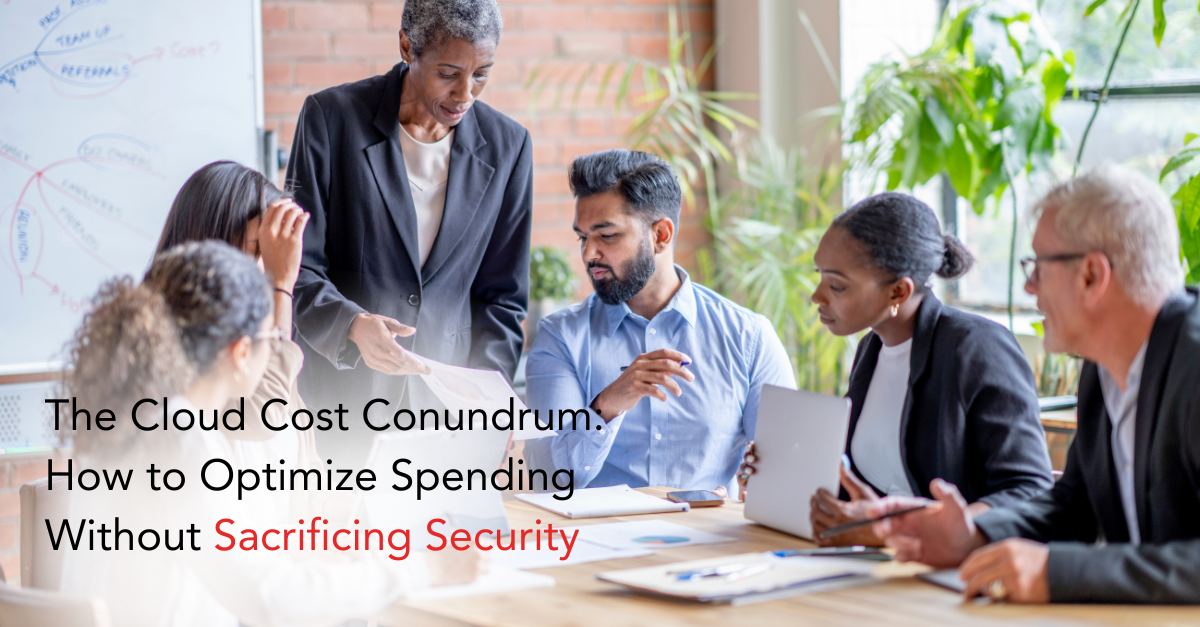
Cloud computing has transformed how small and midsized businesses (SMBs) operate.
From file storage to complex applications, the cloud delivers agility, scalability, and cost savings that on-premises systems can’t match.
But as usage grows, so do the bills and hidden risks.
Organizations often struggle to control expenses while maintaining the robust security that today’s threat landscape demands.
This is the cloud cost conundrum: how to reduce spending without creating vulnerabilities that hackers can exploit.
Understanding the Cloud Cost Challenge
Moving to the cloud is not a one-time expense it’s a dynamic operating model.
Subscription fees, data egress charges, and storage costs can escalate quickly, especially when teams spin up new services without proper oversight.
Common Cost Drivers
- Underused Resources: Paying for unused storage or idle virtual machines.
- Overprovisioning: Purchasing more capacity than needed to avoid performance issues.
- Shadow IT: Employees adopting unsanctioned apps that bypass cost controls and security policies.
- Complex Pricing Models: Different vendors charge for compute, bandwidth, and storage in ways that are difficult to predict.
Without careful management, these factors create budget surprises and open doors to compliance violations.

Balancing Cost and Security: Why It Matters
Cutting costs by eliminating security features is never the answer.
Data breaches, ransomware attacks, and compliance penalties can cost far more than any monthly subscription.
A multi-layered cybersecurity strategy protects sensitive information while allowing you to optimize spending.
The goal is cost efficiency with continuous protection—not cost-cutting at the expense of safety.
Gain Visibility Into Cloud Usage
You can’t control what you can’t see.
The first step in optimizing costs is understanding how your organization uses the cloud.
- Conduct regular audits of all cloud accounts and services.
- Identify inactive users and unused storage buckets.
- Track usage patterns to spot seasonal spikes or unnecessary resources.
Partnering with experts in intelligent network management ensures accurate reporting and real-time monitoring of cloud workloads.
Right-Size Your Resources
Once you have visibility, adjust resources to match actual demand.
- Scale Down Idle Resources: Decommission unused virtual machines and storage.
- Leverage Auto-Scaling: Automatically increase or decrease capacity based on workload.
- Adopt Pay-As-You-Go Plans: Avoid overpaying for fixed capacity.
Working with a provider offering managed IT support helps ensure right-sizing decisions do not compromise performance or security.

Secure the Environment to Prevent Costly Breaches
Every dollar saved on infrastructure can be wiped out by a single cyberattack.
Cost optimization must go hand in hand with strong security controls.
Key Security Measures
- Implement multi-factor authentication across all accounts.
- Encrypt data in transit and at rest.
- Enforce least-privilege access to reduce insider risks.
- Continuously monitor for cloud misconfigurations that can expose sensitive data.
A cloud-smart security strategy provides the policies and tools to keep costs predictable while safeguarding critical assets.
Automate Compliance and Governance
Compliance is more than a legal requirement it’s a cost-control mechanism.
Fines and penalties for failing to protect customer data can dwarf any savings from under-spending on security.
Automating processes with compliance management solutions ensures that governance rules are consistently applied and budgets stay on track.
Protect Data With Strong Backup and Recovery
Cloud cost optimization must include a plan for disaster recovery.
Downtime from ransomware or accidental deletion can cripple operations and lead to lost revenue.
- Deploy ransomware-proof backup plans with encrypted, offsite storage.
- Test business continuity strategies regularly to ensure rapid restoration.
Reliable backups protect against unexpected costs far greater than monthly service fees.
Train Employees to Reduce Waste and Risk
Human behavior drives both unnecessary spending and security gaps.
Employees need ongoing education to manage resources responsibly and follow cybersecurity best practices.
Provide training on:
- Securely storing and sharing data.
- Avoiding shadow IT.
- Recognizing phishing attempts highlighted in anti-phishing strategies.
Working with experienced IT consulting advisors ensures training aligns with both budgetary and security goals.
Use AI and Analytics to Predict and Control Costs
Artificial intelligence can help businesses forecast usage, detect anomalies, and optimize spending in real time.
- Predictive analytics highlight potential budget overruns.
- Machine learning identifies patterns of suspicious activity before costs or breaches escalate.
Integrating AI with a broader digital growth strategy enables smarter budgeting and stronger security simultaneously.

The Role of a Trusted IT Partner
Managing cloud costs and security internally can overwhelm small teams.
A managed service provider delivers the expertise needed to balance performance, price, and protection.
An experienced partner can:
- Monitor cloud usage in real time.
- Recommend right-sizing strategies.
- Deploy advanced security tools to prevent downtime and data loss.
Providers focused on downtime prevention ensure your cloud environment remains both cost-effective and resilient.
Conclusion: Optimize Costs Without Sacrificing Security
The cloud cost conundrum doesn’t have to be a losing game.
By combining detailed usage analysis, right-sizing, automated governance, and robust cybersecurity, SMBs can enjoy the benefits of the cloud while keeping expenses under control.
From multi-layered cybersecurity and cloud-smart strategies to ransomware-proof backups, CMIT Solutions delivers the expertise and tools needed to reduce waste without increasing risk.
The cloud delivers scalability and savings if you manage it wisely.
Start optimizing today to protect your bottom line and your business.