Dallas businesses invest heavily in technology.
Firewalls. Antivirus. Secure networks. Cloud platforms.
On paper, most offices feel protected.
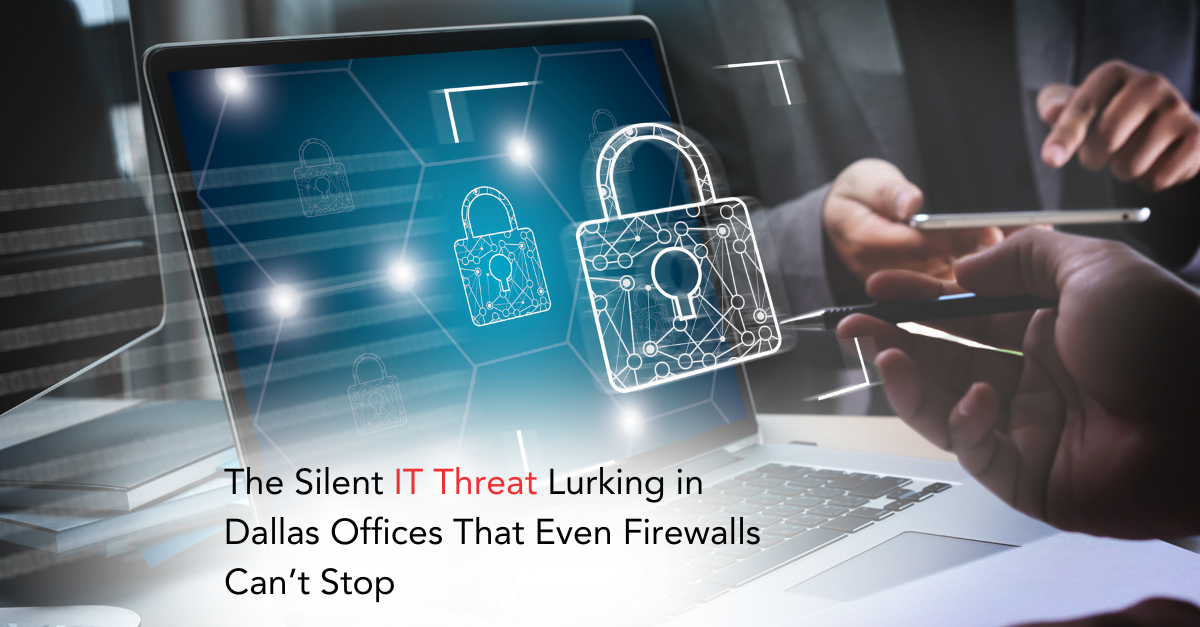
But there’s a quiet threat slipping past all of that not because your tools are weak, but because this threat doesn’t attack your systems first.
It attacks your people.
And for small and midsize businesses across Dallas, it’s becoming one of the most expensive IT mistakes made every year.
The Threat Most Dallas Businesses Never See Coming
It doesn’t start with malware.
It doesn’t trigger an alert.
It doesn’t trip your firewall.
It starts with a perfectly normal request.
An email.
A Teams message.
Sometimes even a phone call.
It sounds like internal communication familiar, routine, and reasonable.
And that’s exactly why it works.
This threat is authorization abuse, a form of social manipulation closely tied to modern phishing attacks that rely on trust instead of technical exploits.
Firewalls can’t block trust.
Security software can’t stop obedience.
How Authorization Abuse Typically Unfolds
Here’s a common scenario playing out in Dallas offices right now:
An employee receives a message that appears to come from someone internal leadership, accounting, IT support, or a trusted vendor.
The request is simple:
- Update banking details
- Approve a login
- Share a document
- Reset access
- Confirm credentials
Nothing flashy. Nothing obviously malicious.
The employee acts quickly because:
- They’re busy
- The request seems normal
- The sender looks legitimate
- Delays feel risky
That single action opens the door.
From there, attackers quietly escalate access, move laterally through systems, and extract data often enabled by overlooked cloud misconfigurations for weeks before anyone notices.

Why Traditional Security Tools Miss This Completely
Most businesses assume breaches happen when technology fails.
In reality, many incidents occur when technology works exactly as designed but policies and verification don’t.
Firewalls protect networks.
Antivirus stops known malware.
Email filters catch obvious phishing.
But none of those tools can determine whether a request should have been approved.
That decision lives with the employee.
And attackers know it especially as cybersecurity rules continue to evolve faster than most organizations adapt.
What’s Really at Risk for Dallas Businesses
When authorization abuse succeeds, the damage goes far beyond IT cleanup.
Businesses often face:
- Unauthorized financial transactions
- Exposure of employee or client data
- Compliance violations
- Operational disruption
- Loss of customer trust
- Legal and regulatory consequences
Many incidents trigger long-term compliance fallout, especially as regulatory requirements grow more complex.
Worse, these incidents are deeply personal.
Employees feel responsible.
Leadership feels blindsided.
Clients feel betrayed.
And recovery isn’t fast.
Why This Threat Is Growing Faster Than Malware
Cybercriminals follow efficiency.
Why fight advanced security systems when you can bypass them by sounding convincing?
Authorization abuse is increasing because:
- Hybrid work has normalized remote approvals
- Messaging platforms feel informal and trusted
- Employees are overwhelmed with requests
- Business speed often outruns verification
This aligns with a broader shift toward identity-based attacks highlighted by the rise of zero trust security models.
Dallas is a prime target fast-growing companies, lean teams, and high transaction volume create the perfect environment for social manipulation.
The Most Effective Defense Isn’t Technical It’s Procedural
The businesses that avoid these incidents don’t rely on luck.
They rely on structure.
Here’s what actually stops authorization-based attacks:
Clear Approval Boundaries
Employees know exactly what they can and cannot approve and what must be escalated.
Mandatory Verification for Sensitive Actions
Any request involving access, payments, data, or account changes requires a second confirmation through a trusted channel, supported by multi-factor authentication.
Leadership-Backed Pause Culture
Employees are encouraged to slow down and question requests even from executives without fear of backlash, reinforcing a security-first workplace culture.
Limited Access by Role
Users only have access to what they truly need, reducing the blast radius of a single mistake.
Ongoing Security Awareness
Not once-a-year training but regular, practical reminders tied to real business scenarios.

Why Dallas Businesses Are Especially Vulnerable
Local companies often grow quickly, add systems fast, and assume trust will scale naturally.
It doesn’t.
As teams expand, so do:
- Approval chains
- Access points
- Communication channels
- Opportunities for impersonation
Without intentional controls, growth creates gaps and attackers find them first, particularly as human error overtakes hacking as the leading cause of data loss.
Prepared Businesses Don’t Feel Lucky They Feel Ready
Companies that make it through incidents untouched aren’t more paranoid.
They’re more prepared.
They’ve:
- Defined who can approve what
- Removed unnecessary access
- Implemented MFA everywhere
- Educated employees on modern attack methods
- Partnered with proactive IT security experts
They understand that cybersecurity today isn’t about blocking hackers it’s about preventing misuse of trust and building cyber resilience.
Is Your Business Protected From This Kind of Threat?
If your team knows exactly how to verify sensitive requests, that’s a strong start.
If access controls are tight, approvals are documented, and employees feel safe questioning anything unusual, you’re ahead of the curve.
If not, now is the time to address it, not after the damage is done.
CMIT Solutions of Dallas helps local businesses identify these silent risks and close the gaps that technology alone can’t.
Because the most dangerous IT threats aren’t always loud.
They’re the ones that look normal right up until they aren’t.