
October isn’t just about falling leaves and cooler weather—it’s Cybersecurity Awareness Month, a nationwide initiative designed to help businesses strengthen their digital defenses and stay vigilant against evolving cyber threats. For small and midsized businesses (SMBs), this month is more than a reminder; it’s an opportunity to take meaningful action that can protect sensitive data, customer trust, and long-term growth.
In this guide, we’ll explore why Cybersecurity Awareness Month matters, the unique challenges SMBs face, and how proactive IT strategies can help safeguard your business all year long.
Understanding Cybersecurity Awareness Month
Cybersecurity Awareness Month was launched in 2004 as a collaborative effort between government agencies and the private sector to promote better online safety practices. Today, it serves as a global wake-up call for businesses of all sizes to evaluate their digital security, identify weak spots, and invest in sustainable protection.
For SMBs, this is not just a ceremonial event. Cyberattacks like ransomware, phishing, and cloud misconfigurations continue to increase in frequency and sophistication, leaving smaller organizations particularly vulnerable. Recognizing this annual campaign can help business owners prioritize critical updates, employee training, and technology upgrades that may otherwise be overlooked.
Why SMBs Can’t Afford to Ignore Cybersecurity
Small and midsized businesses often believe cybercriminals only target large corporations with massive datasets. Unfortunately, SMBs are now prime targets because attackers know they typically lack enterprise-level defenses. A single breach can result in data loss, reputational damage, and regulatory penalties.
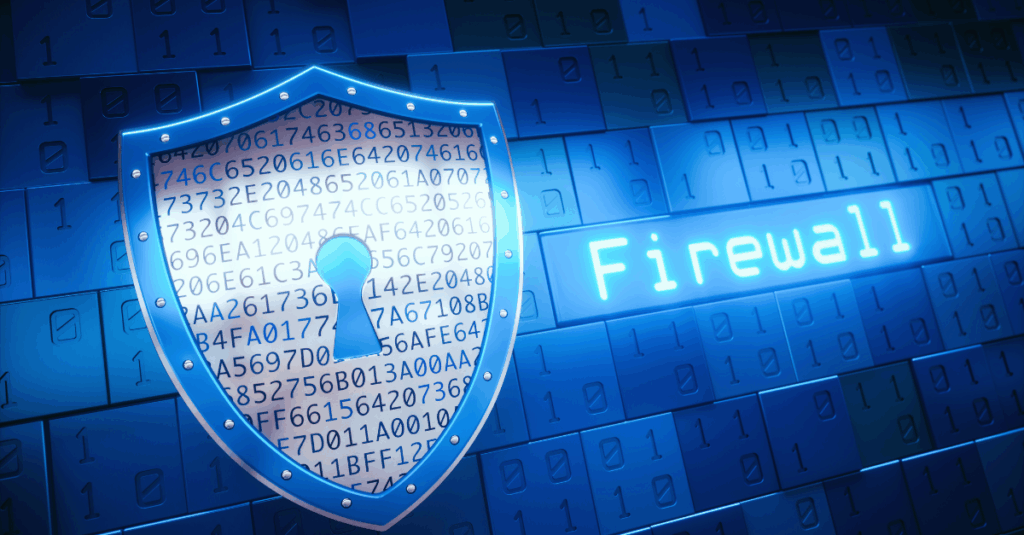
Consider the rise in phishing attacks, which exploit human error to steal credentials or deploy malware. These attacks are becoming more sophisticated and harder to detect, making it essential for SMBs to adopt multi-layered cybersecurity strategies that protect endpoints, networks, and cloud environments.
Key Risks SMBs Face Include:
- Phishing Attacks: Deceptive emails designed to steal sensitive information.
- Ransomware: Malicious software that encrypts data and demands payment.
- Cloud Misconfigurations: Improper access controls that leave data exposed.
- Regulatory Non-Compliance: Costly penalties for failing to meet industry standards.
Businesses that fail to act risk becoming easy prey for cybercriminals. Learn how multi-layered cybersecurity strategies can create a strong defense for Dallas SMBs.
Managed IT Services: The Backbone of Modern Cybersecurity
One of the most effective ways for SMBs to stay protected is by partnering with a Managed IT Services provider. Managed IT gives businesses access to enterprise-grade security solutions—such as 24/7 monitoring, automated patching, and intelligent threat detection—without the cost of hiring an in-house team.
A proactive partner like CMIT Solutions can implement critical safeguards, from intelligent network management to automated backups that protect your data from ransomware attacks.
Benefits of Managed IT Services Include:
- Continuous Monitoring: Around-the-clock detection of unusual activity.
- Proactive Threat Prevention: Security patches and updates before vulnerabilities are exploited.
- Cost Efficiency: Predictable monthly pricing with enterprise-grade tools.
- Expert Support: A dedicated team to guide long-term security strategy.
Instead of waiting for a crisis to strike, managed IT focuses on preventing breaches before they occur.
Zero Trust Security: Why “Trust No One” Is the New Normal
Traditional security models once relied on perimeter defenses, assuming everything inside the network was safe. But as remote work and cloud computing expand the attack surface, this approach no longer works. Zero Trust Security operates under a “never trust, always verify” principle, requiring continuous authentication and strict access controls.
Dallas businesses are increasingly adopting Zero Trust frameworks to prevent unauthorized access and stop lateral movement within networks. Explore how Zero Trust Security can safeguard your company from internal and external threats.
Core Elements of Zero Trust Include:
- Multi-Factor Authentication (MFA) to verify every user login.
- Least-Privilege Access to limit what employees can access.
- Network Segmentation to contain potential breaches.
- Continuous Monitoring to detect suspicious activity in real time.
Cloud Security and the Risks of Misconfiguration
The shift to cloud computing has unlocked flexibility and scalability for SMBs, but it also introduces new vulnerabilities. Cloud misconfigurations—such as improper access controls or unencrypted data storage—are now a leading cause of breaches.
A “cloud smart” strategy emphasizes proactive design, hybrid environments, and automated compliance monitoring. Learn how to avoid costly breaches by adopting cloud-smart solutions that balance productivity with airtight security.
Ransomware: The Costliest Threat SMBs Face
Ransomware attacks have surged in recent years, locking critical files and demanding payment for their release. For SMBs, the financial and operational impact can be devastating. Prevention requires a combination of employee education, layered security, and ransomware-proof backup plans.
Discover how to implement ransomware-proof backup strategies that ensure your business can recover quickly—even if attackers gain access to your systems.
Ransomware Prevention Tips:
- Conduct regular backups and test recovery processes.
- Train employees to identify suspicious attachments or links.
- Keep all systems and applications updated with the latest patches.
- Deploy advanced endpoint detection and response (EDR) tools.
Compliance Doesn’t Have to Be Complicated
Industry-specific regulations, from HIPAA to PCI DSS, are evolving rapidly, and failing to stay compliant can result in heavy fines and legal liabilities. Automated compliance tools help SMBs simplify audits, maintain proper documentation, and meet ever-changing requirements.
Learn how to simplify IT governance with automated compliance solutions that reduce complexity while keeping your business audit-ready.
The Human Factor: Training Employees to Spot Threats
Technology alone isn’t enough to stop cyberattacks. Employees are often the first—and weakest—line of defense. Cybersecurity Awareness Month is the perfect time to invest in ongoing training programs that teach staff how to recognize phishing emails, suspicious links, and social engineering tactics.
Employee Training Essentials:
- Run internal phishing simulations to test readiness.
- Enforce strong password hygiene policies.
- Provide regular security updates and reminders.
- Encourage a culture where employees report suspicious activity immediately.
By fostering a culture of awareness, SMBs can dramatically reduce their risk of human-error-driven breaches.
Business Continuity: Planning for the Unexpected
Even with the best defenses in place, incidents can still occur. That’s why business continuity and disaster recovery (BC/DR) planning is critical. A well-designed BC/DR strategy ensures minimal downtime, protects customer trust, and keeps operations running after a cyber incident.
Explore how CMIT Solutions helps businesses stay resilient with backup and recovery strategies tailored to their unique needs.
Strategic IT Guidance for Long-Term Security
Cybersecurity is not a one-time project; it’s an ongoing process. SMBs need trusted advisors who can provide strategic IT guidance from technology procurement to long-term growth planning. An experienced partner can help identify emerging threats, deploy the right tools, and adjust strategies as regulations and attack methods evolve.
Discover how expert IT consulting services can help you navigate this ever-changing landscape and keep your business secure year-round.
The Cost of Doing Nothing
Failing to prioritize cybersecurity doesn’t just expose SMBs to hackers—it can jeopardize customer trust, brand reputation, and future growth. According to industry reports, the average cost of a data breach for small businesses now exceeds hundreds of thousands of dollars.
Consequences of Inaction Include:
- Permanent data loss or theft of intellectual property.
- Regulatory fines and legal liabilities.
- Loss of customer trust and brand reputation.
- Costly downtime that halts operations.
From preventing expensive downtime to ensuring regulatory compliance, investing in cybersecurity is no longer optional it’s a business imperative.
Conclusion: Make October the Month You Take Action
Cybersecurity Awareness Month serves as a critical reminder for SMBs to evaluate risks, educate employees, and implement proactive IT strategies. From Zero Trust security to ransomware-proof backup plans, there’s no shortage of actionable steps to strengthen your defenses.
Don’t wait for a cyberattack to force your hand. Partnering with a trusted provider like CMIT Solutions ensures that your technology is secure, compliant, and ready to support your long-term business goals. This October, take the first step toward a safer digital future—and make cybersecurity a year-round priority.