
Healthcare organizations across Southwest Florida are facing a level of cyber risk that most front desk staff and even many practice administrators never anticipated a decade ago. Patient portals, connected diagnostic equipment, cloud based scheduling systems, and remote work arrangements have all expanded the digital footprint of local clinics, dental offices, urgent care centers, and specialty practices. Every one of those conveniences also creates a new opening for attackers.
CMIT Solutions of Fort Myers South works with medical practices, dental offices, and healthcare administrators throughout the region who are trying to balance patient care with the growing demands of data protection. This article breaks down why healthcare cybersecurity in Fort Myers needs to be treated as a clinical priority rather than an afterthought, and what practices can do right now to close the gaps attackers are actively exploiting.
The Growing Cybersecurity Risk for Healthcare Providers
Healthcare has quietly become one of the most targeted industries in the country. Attackers understand that medical records carry more long term value than a stolen credit card number because they cannot simply be canceled and reissued. A patient’s diagnosis history, insurance information, Social Security number, and treatment records stay valid and exploitable for years.
Small and mid sized practices are particularly vulnerable because they often lack a dedicated IT security team. Many rely on a single administrator wearing multiple hats, or they assume their electronic health record vendor is handling all of the security work behind the scenes. That assumption is rarely accurate, and it leaves gaps that a properly structured cybersecurity service solutions program is designed to close.
Some of the pressure points practices are dealing with include:
- Legacy software running on outdated operating systems that no longer receive security patches
- Staff using personal devices to access patient scheduling or billing platforms
- Weak or reused passwords across multiple clinical systems
- Limited visibility into who is accessing patient records and when
- Minimal formal incident response planning if a breach does occur
Why Healthcare Data Is a Prime Target
Medical records typically include a combination of personal identifiers, financial details, and clinical history. That combination makes stolen healthcare data far more valuable on illicit markets than financial data alone. Criminals use this information for insurance fraud, prescription fraud, identity theft, and targeted phishing campaigns against patients and staff.
Fort Myers healthcare providers are also attractive targets because the region has a large population of retirees and seasonal residents, many of whom maintain multiple healthcare relationships across different states. That creates a wider web of interconnected records and third party data sharing agreements, each one representing another potential point of compromise.
Common Cybersecurity Gaps in Medical Practices
Most healthcare cybersecurity incidents do not start with a sophisticated nation state attack. They start with something simple that was never addressed. A closer look at recent incidents across the healthcare sector shows a recurring pattern of avoidable mistakes.
Frequent gaps include:
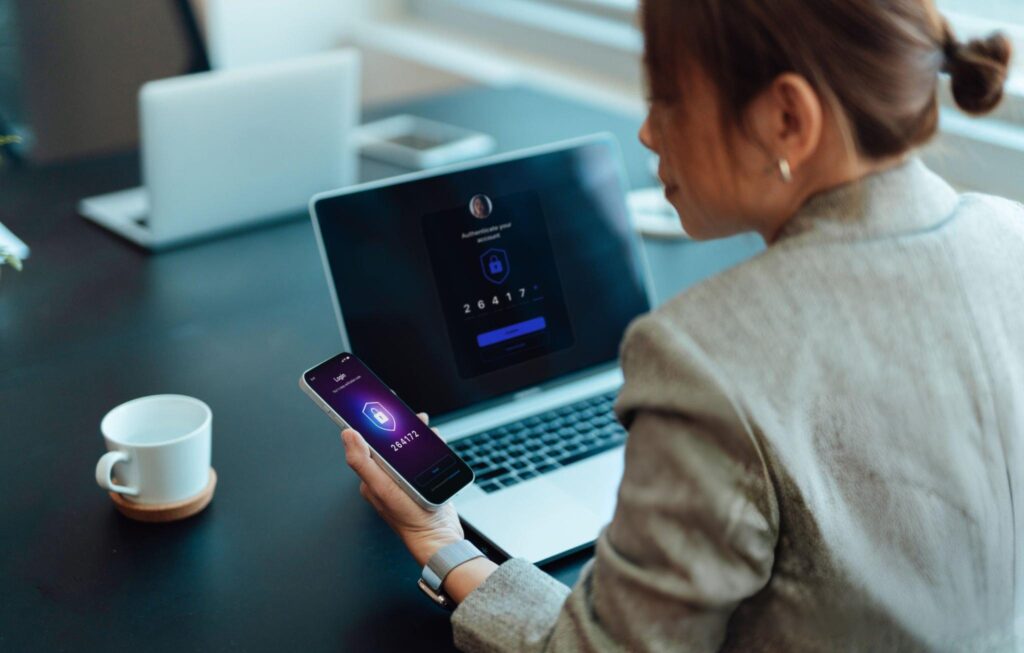
- No multi factor authentication on email or EHR logins
- Unpatched software on workstations, servers, and network equipment
- Unsecured Wi-Fi networks in waiting rooms that are not segmented from clinical systems
- Staff who have never received formal phishing awareness training
- No documented policy for removing system access when an employee leaves
A properly managed network management solutions approach addresses many of these gaps at the infrastructure level, while ongoing staff education handles the human side of the equation.
HIPAA Compliance and Cybersecurity: Why They Go Together
HIPAA compliance and cybersecurity are often discussed as if they are two separate initiatives, but in practice they overlap almost completely. The HIPAA Security Rule requires administrative, physical, and technical safeguards to protect electronic protected health information. Meeting those requirements on paper is very different from actually being prepared for a real attack.
There is a meaningful difference between a practice that has simply filled out compliance paperwork and one that has been through an actual security assessment. That distinction is explored in more depth in a discussion of what separates a truly HIPAA compliant practice from one that only looks compliant on the surface.
Key areas where HIPAA and cybersecurity intersect:
- Access controls that limit who can view specific patient records
- Encryption of data both at rest and in transit
- Audit logs that track every access event
- Breach notification procedures with strict reporting timelines
- Business associate agreements with every third party vendor
A structured compliance management services program helps practices stay aligned with these requirements without pulling clinical staff away from patient care to manage paperwork manually.
Ransomware Threats Facing Fort Myers Clinics
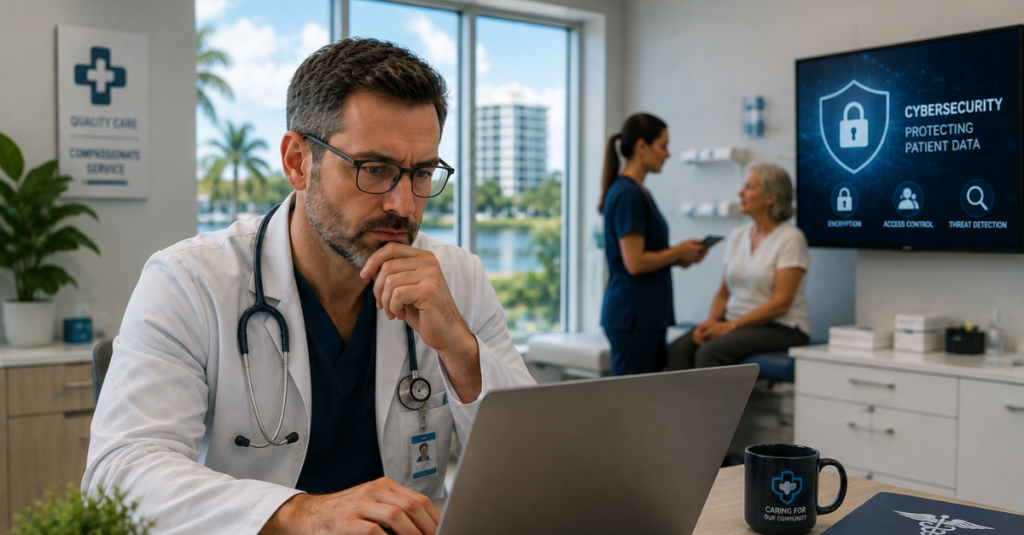
Ransomware remains one of the most disruptive threats a healthcare practice can face. Unlike a typical data breach, a ransomware attack can bring clinical operations to a complete stop. Appointment scheduling, prescription processing, and access to patient charts can all be locked simultaneously, forcing practices to either pay a ransom or rebuild systems from scratch.
Healthcare specific recovery planning has become its own discipline separate from general IT backup strategy. The distinction between traditional disaster recovery and a more targeted approach to cyber recovery planning is worth understanding, since a ransomware event requires isolating infected systems, verifying clean backups, and restoring operations in a specific sequence to avoid reinfection.
Practical steps that reduce ransomware risk include:
- Maintaining offline or immutable backup copies that cannot be encrypted by an attacker
- Segmenting clinical networks from administrative and guest networks
- Testing restore procedures regularly rather than assuming backups will work
- Limiting administrative privileges to only the staff who need them
- Deploying endpoint detection tools that can flag unusual file encryption activity early
Medical Device and IoT Security Concerns
Connected medical devices, from infusion pumps to imaging equipment, often run on specialized software that is rarely updated with the same urgency as a standard computer. Many of these devices were never designed with modern cybersecurity threats in mind, yet they sit on the same network as patient records and billing systems.
An attacker who compromises a single unpatched device can potentially move laterally across the network to reach far more sensitive systems. Segmenting these devices onto isolated network zones, monitoring their traffic patterns, and working with vendors to apply available firmware updates are all essential steps that fall under a broader network management solutions strategy.
Telehealth Security Considerations
Telehealth adoption has become permanent across much of the healthcare industry, and Fort Myers practices are no exception. While virtual visits improve access to care, they also introduce new risks around video platform security, remote data transmission, and patient identity verification.
Practices offering telehealth should evaluate:
- Whether their video platform is encrypted end to end and HIPAA compliant
- How patient identity is verified before a virtual visit begins
- Whether staff are conducting telehealth sessions on secured devices rather than personal laptops
- How session recordings, if used, are stored and who can access them
Reliable unified communications tools built specifically with healthcare compliance in mind can reduce much of this risk compared to consumer grade video conferencing tools.
The Role of Employee Training in Preventing Breaches
Technology alone cannot stop every attack. Phishing emails, fraudulent phone calls impersonating IT support, and social engineering attempts targeting front desk staff remain some of the most common entry points into healthcare networks.
Ongoing security awareness training should cover:
- How to identify suspicious emails and links before clicking
- Verifying the identity of anyone requesting sensitive information over the phone
- Proper procedures for reporting a suspected security incident immediately
- Safe handling of removable media such as USB drives
- Recognizing increasingly convincing AI generated phishing attempts
Attackers are now using generative tools to craft messages that look far more legitimate than the phishing attempts of just a few years ago. A closer look at how AI cybercriminal threats are evolving alongside legitimate business AI adoption helps explain why traditional training alone is no longer enough.
Backup and Disaster Recovery for Patient Data
Patient data loss, whether from a cyberattack, hardware failure, or natural disaster, can be catastrophic for a healthcare practice. Florida’s hurricane season adds an additional layer of urgency to disaster recovery planning that practices in other regions may not need to consider as seriously.
A dependable data backup solutions strategy for a healthcare environment typically includes:
- Automated, encrypted backups stored in multiple locations
- Regular recovery testing to confirm backups actually work
- A defined recovery time objective for how quickly systems must be restored
- Clear documentation so staff know exactly what to do during an outage
Cloud Security for Healthcare Practices
Many practices have moved patient scheduling, billing, and even parts of their electronic health record systems into the cloud. Cloud platforms can offer strong built in security features, but misconfiguration remains one of the most common causes of exposed healthcare data.
Common cloud migration mistakes that create security gaps are outlined in a broader discussion of cloud migration mistakes many organizations make when moving systems without a clear security plan.
Healthcare specific cloud considerations include:
- Confirming the cloud vendor will sign a business associate agreement
- Reviewing default access permissions rather than accepting them as configured
- Enabling logging and alerting for unusual account activity
- Understanding exactly where patient data is physically stored
A properly managed cloud services support plan helps practices avoid the configuration mistakes that so often lead to accidental exposure.

Network Security and Access Control
Controlling who can access what within a healthcare network is one of the most fundamental, and most frequently overlooked, elements of a strong security posture. Role based access ensures that a receptionist cannot view full clinical notes, and that a nurse cannot access billing records unrelated to their patients.
Modern approaches to access management solutions go beyond simple password protection, incorporating multi factor authentication, conditional access policies, and automated deprovisioning when an employee’s role changes or their employment ends.
Real Time Threat Monitoring
Traditional antivirus software is no longer sufficient on its own to catch modern threats. Attackers frequently use techniques designed specifically to slip past signature based detection. Continuous monitoring allows suspicious activity to be flagged and investigated before it turns into a full blown breach.
Many small and mid sized healthcare practices are now investing in real time monitoring services that provide around the clock visibility into network activity, something that would be extremely difficult to maintain with in house staff alone.
Third Party Vendor Risk Management
Healthcare practices rarely operate in isolation. Billing companies, transcription services, laboratory partners, and software vendors all touch patient data at some point. Each of these relationships introduces risk that extends beyond the practice’s own internal systems.
A strong vendor risk management process should include:
- Reviewing security practices before signing any new vendor contract
- Requiring signed business associate agreements where applicable
- Periodically reassessing vendor security posture, not just at onboarding
- Limiting the scope of data shared with any single vendor to only what is necessary
Incident Response Planning
Even with strong preventative measures in place, no practice can guarantee it will never experience a security incident. What separates a manageable event from a full scale crisis is often the quality of the response plan already in place before the incident happens.
An effective incident response plan should define:
- Who is responsible for making key decisions during an active incident
- How systems will be isolated to prevent further spread
- What internal and external communication needs to happen, and when
- How the breach notification timeline required under HIPAA will be met
- How the practice will document lessons learned afterward
The Cost of a Healthcare Data Breach
Healthcare breaches consistently rank among the most expensive across all industries when factoring in regulatory fines, patient notification costs, legal fees, reputational damage, and lost productivity during recovery. Beyond the financial impact, a breach can permanently damage patient trust, which is often far harder to rebuild than any technical system.
Reviewing how other local businesses have responded after an incident can be instructive. A recent example involving a professional services firm illustrates just how quickly a recent breach example can escalate once attackers gain a foothold, regardless of the industry involved.
AI Driven Threats and Defenses in Healthcare
Artificial intelligence is reshaping cybersecurity from both directions. Attackers are using AI to generate more convincing phishing emails, automate reconnaissance, and identify vulnerabilities faster than ever before. At the same time, defensive tools powered by AI are helping practices detect anomalies and respond to threats faster than manual monitoring alone would allow.
Many local businesses are now exploring AI powered defense platforms that can analyze network traffic patterns continuously, flagging deviations that would be nearly impossible for a human analyst to catch in real time.
Healthcare practices adopting AI tools internally, whether for scheduling, diagnostics support, or administrative automation, also need a clear internal policy governing how that technology is used. A documented AI usage policy helps prevent staff from inadvertently exposing patient data through unapproved AI tools or public facing chatbots.
Password Policies Need an Update
Many healthcare practices are still operating under password policies written years before AI powered password cracking tools became widely available. Complexity requirements that once seemed sufficient can now be defeated far more quickly than most administrators realize.
A modern approach to password policy update practices typically emphasizes longer passphrases, mandatory multi factor authentication, and elimination of password reuse across clinical systems.
Cloud Security Posture Management for Healthcare
As more clinical and administrative systems move to the cloud, practices need ongoing visibility into how those environments are configured, not just a one time setup review. Configuration drift over time is one of the most common causes of accidental data exposure in cloud environments.
Understanding how cloud security posture management tools continuously scan for misconfigurations can help practice administrators catch problems long before they turn into an actual breach.
Continuous Threat Exposure Management
Rather than relying solely on periodic security assessments, many organizations are shifting toward continuous evaluation of their attack surface. This approach helps identify new vulnerabilities as they emerge, rather than waiting for an annual review to uncover them.
A growing number of healthcare organizations are adopting threat exposure management programs that provide ongoing insight into where the organization is most exposed at any given moment.
Business Continuity Planning for Healthcare Practices
Cybersecurity and business continuity planning have become deeply intertwined. A practice that cannot access patient records cannot safely treat patients, which makes continuity planning a clinical safety issue as much as a technical one.
Modern business continuity planning now accounts for cloud dependencies, remote work scenarios, and the specific recovery sequence needed after a cyber incident, not just physical disasters like hurricanes or power outages.
Building a Long Term Cybersecurity Strategy
Cybersecurity cannot be treated as a one time project. Threats evolve constantly, and a practice’s technology environment changes just as often through new hires, new software, and new equipment. Long term planning ensures security investments keep pace with those changes rather than falling behind.
An ongoing strategic IT guidance relationship allows practice leadership to make informed technology decisions throughout the year instead of reacting only after something goes wrong.
Elements of a sustainable long term strategy include:
- Regular risk assessments that evolve alongside new threats
- Budget planning that accounts for both preventative tools and incident response readiness
- Clear ownership of security responsibilities across leadership and staff
- Periodic review of vendor relationships and data sharing agreements
Choosing the Right IT Partner
Healthcare practices considering outside support should look for a provider with specific experience in the regulatory and operational realities of medical environments, not just general business IT. The right partner should understand HIPAA requirements, patient data sensitivity, and the operational impact of downtime on patient care.
When evaluating potential partners, consider:
- Their track record supporting other local healthcare organizations, as reflected in client success stories
- Direct feedback from existing clients, available through customer testimonials feedback
- Their certifications and relationships with major technology vendors, listed under industry partners certifications
- Whether they offer a clear starting point such as an AI readiness assessment or similar evaluation before committing to a long term contract
- Transparent service package options that scale with the size and complexity of the practice
CMIT Solutions of Fort Myers South has built its approach specifically around helping local businesses, including healthcare providers, understand where their real vulnerabilities lie and what to do about them. More background on the team and its approach is available on the company background details page, along with an overview of why choose us for practices weighing their options locally.
Supporting Day to Day Operations
Cybersecurity does not exist in isolation from the rest of a practice’s technology needs. Reliable day to day support keeps clinical and administrative staff productive while security controls operate quietly in the background.
Practices benefit from having access to:
- Responsive reliable IT support for everyday technical issues
- Well maintained productivity application support across scheduling, billing, and communication tools
- Streamlined IT procurement services when new hardware or software needs to be purchased and deployed securely
- A library of helpful IT resources for staff who want to better understand the systems they use daily
For practices exploring outside support for the first time, a broader overview of what a managed IT services partnership actually includes, and how it differs from simply calling someone when something breaks, is a useful starting point. Local practices searching for Fort Myers IT experts familiar with healthcare specific requirements will find that the right partnership addresses both routine support and long term security planning together.
Conclusion
Healthcare cybersecurity in Fort Myers is no longer optional, and it is no longer something that can be handled with a single antivirus subscription and a hope that nothing goes wrong. Patient trust, regulatory compliance, and the ability to continue delivering care all depend on a security foundation that is actively maintained, monitored, and updated as threats evolve.
Practices that treat cybersecurity as an ongoing clinical safety priority, rather than a one time IT project, are far better positioned to avoid the disruption, cost, and reputational damage that follows a serious breach.
Patient trust and regulatory compliance depend on a security foundation that is actively managed, not left to chance. Local healthcare practices ready to evaluate their current risk exposure and build a stronger defense can schedule a consultation with a team that understands the specific challenges facing medical providers in Southwest Florida.
Frequently Asked Questions