As technology evolves faster than ever, small and midsized businesses (SMBs) are facing both incredible opportunities and unprecedented challenges. The digital landscape of 2026 will be defined by automation, AI, cybersecurity, and hybrid infrastructures demanding smarter, more strategic investments from every business leader.
For SMBs, preparing today means staying competitive tomorrow. At CMIT Solutions of Long Beach, we guide businesses through this evolution, helping them modernize, secure, and scale with the right technology roadmap.
Why 2026 Matters for SMBs
The coming year will mark a new inflection point in digital transformation. Advancements in artificial intelligence, cloud architecture, and cybersecurity are converging, reshaping how companies operate.
SMBs must prepare for:
- The full adoption of AI-driven business tools
- Advanced cybersecurity regulations and compliance updates
- Increased automation in IT and operations
- Cloud optimization and hybrid system management
- Data-driven decision-making at every level
These trends build on the foundation outlined in CMIT’s AI innovation, emphasizing how intelligent automation will define the next era of business efficiency.
AI Integration Becomes the Norm
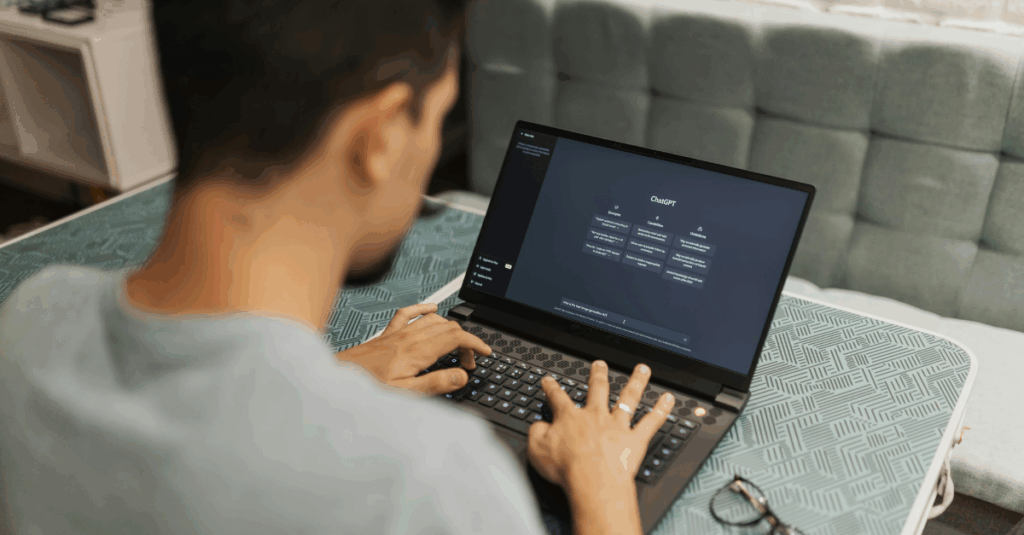
Artificial intelligence is no longer experimental it’s essential. By 2026, SMBs will rely on AI not just for analytics but for decision-making, cybersecurity monitoring, and customer engagement.
SMBs can expect:
- Predictive analytics tools for forecasting and planning
- AI-powered help desks and chatbots
- Automated IT maintenance and system optimization
- AI-driven security detection and response
CMIT’s work on AI security demonstrates how businesses can safely integrate AI without sacrificing control or compliance.
Cybersecurity Compliance Takes Center Stage
As cyber threats escalate, governments and industries are tightening regulatory expectations. By 2026, SMBs must align with compliance frameworks like NIST, CCPA, and ISO 27001 to avoid costly penalties.
To stay ahead, businesses should:
- Regularly assess risk and vulnerabilities
- Encrypt all data at rest and in transit
- Adopt Zero Trust models for access control
- Document incident response and continuity plans
CMIT Solutions’ expertise in cybersecurity compliance underscores that compliance is no longer a checkbox it’s a growth enabler that builds customer trust.
The Shift to Predictive IT Support
In the near future, IT maintenance will move from reactive troubleshooting to predictive analytics identifying problems before they occur. Businesses using predictive monitoring will experience fewer outages, lower costs, and higher efficiency.
Benefits of predictive support:
- Early detection of system vulnerabilities
- Automated ticket creation and escalation
- Data-driven performance optimization
- Reduced downtime and maintenance costs
This aligns with CMIT’s focus on proactive IT, ensuring technology stays one step ahead of potential disruptions.
Cloud Optimization and Multi-Cloud Strategies
The cloud landscape in 2026 will be hybrid, distributed, and intelligent. SMBs must balance cost efficiency, security, and accessibility across multiple cloud providers.
Effective strategies include:
- Centralized cloud monitoring dashboards
- Unified data protection policies
- Workload balancing between public and private clouds
- Compliance checks across all environments
CMIT Solutions of Long Beach’s multi-cloud management shows how managing multiple providers simplifies scalability and security simultaneously.
The Era of Zero Trust Security
As remote work and mobile access become permanent fixtures, perimeter-based defenses will fade. By 2026, Zero Trust Architecture (ZTA) will dominate SMB security strategies.
Core components of Zero Trust:
- Continuous authentication for users and devices
- Network segmentation and least-privilege access
- Real-time activity monitoring
- Adaptive multi-factor authentication
CMIT’s coverage of zero trust adoption highlights how ZTA eliminates blind spots that attackers exploit, creating a dynamic and secure infrastructure.
Data Backup and Resilience Become Business Priorities
With increasing ransomware and system outages, data continuity will become non-negotiable. Every SMB must adopt secure, automated, and tested backup solutions across all environments.
Resilience practices to adopt:
- Follow the 3-2-1 backup rule
- Encrypt backups and test restorations
- Automate failover and disaster recovery
- Integrate business continuity into daily operations
CMIT’s guide on cloud backups illustrates how combining cloud redundancy and automation ensures recovery from even the most severe attacks.
AI-Driven Cyber Defense
Attackers are already using AI to craft sophisticated phishing campaigns and exploit vulnerabilities faster than humans can patch them. The future of defense lies in AI-powered security orchestration, capable of real-time detection and autonomous response.
AI will help SMBs:
- Detect zero-day exploits automatically
- Analyze behavioral patterns in real time
- Automate security alerts and isolation processes
- Continuously learn from emerging threats
CMIT’s cybersecurity without compromise shows how layered AI-driven defense prevents modern cyberattacks before they cause damage.
The Human Element in Digital Transformation
Despite automation, humans will remain at the center of every digital transformation. Employee awareness, training, and accountability will define whether your technology investments succeed or fail.
Empowering teams in 2026 means:
- Continuous cybersecurity education
- Clear digital policies and procedures
- Simulated phishing and threat exercises
- Culture-building around innovation and safety
CMIT’s security awareness program ensures that every employee becomes a cybersecurity asset not a liability.
Edge Computing and Real-Time Decision-Making
As businesses connect more IoT devices and remote sensors, edge computing will bring data processing closer to the source reducing latency and improving responsiveness.
Benefits for SMBs:
- Real-time analytics and faster decisions
- Reduced dependence on centralized servers
- Enhanced performance for critical applications
- Localized security management
CMIT’s article on edge computing outlines how small businesses can harness edge technology to process information faster and smarter.
Compliance as a Competitive Advantage
By 2026, compliance won’t just be a legal checkbox it will be a market differentiator. Clients, investors, and partners will favor businesses that demonstrate transparent data protection and governance practices.
Compliance-readiness strategies:
- Implement automated compliance tracking
- Conduct annual risk assessments
- Align with evolving regional data laws
- Train staff on policy adherence
CMIT’s guide on HIPAA and beyond shows that compliance maturity leads to stronger partnerships and long-term credibility.
The Evolution of IT Managed Services
By 2026, Managed Service Providers (MSPs) will become strategic partners instead of just IT troubleshooters. Businesses will rely on MSPs for consulting, compliance, automation, and digital transformation.
Future MSP services include:
- Predictive system management
- Managed AI and machine learning platforms
- Cyber resilience and compliance automation
- Virtual CIO (vCIO) advisory services
CMIT’s help desk illustrates how modern MSPs operate as an extension of your business not just your IT department.
Sustainable Technology and Green IT
Sustainability will move from optional to essential. Clients and regulators will expect businesses to adopt eco-conscious IT strategies that reduce carbon footprints while improving efficiency.
Key sustainability trends:
- Cloud efficiency and energy monitoring
- Hardware recycling and e-waste reduction
- Green data center adoption
- Virtual collaboration to minimize travel emissions
CMIT’s green IT explains how environmentally responsible technology drives cost savings and brand loyalty.
Preparing for Quantum-Ready Security
Quantum computing may not be mainstream yet, but its security implications are significant. Forward-thinking SMBs should start adopting quantum-resistant encryption algorithms and modern key management systems.
Early preparation steps:
- Evaluate encryption and key rotation policies
- Engage vendors offering post-quantum readiness
- Monitor emerging compliance guidelines
- Integrate hybrid cryptographic solutions
These precautions align with CMIT’s cyber threats, which warn that threat actors are already preparing for post-quantum vulnerabilities.
From Reactive to Resilient Operations
The final shift in the 2026 roadmap is mindset-based. Businesses must evolve from reactive operations to proactive resilience blending cybersecurity, compliance, and continuity into everyday workflows.
Resilient organizations will:
- Monitor systems continuously
- Automate recovery workflows
- Maintain hybrid cloud redundancy
- Conduct regular penetration testing and risk reviews
CMIT’s ransomware resilience shows how resilience planning transforms disruptions into manageable challenges.
Conclusion: The Future Belongs to the Prepared
Technology evolves but preparedness determines who thrives. The SMBs that adopt proactive strategies today will enter 2026 stronger, smarter, and more secure.
At CMIT Solutions of Long Beach, we help businesses create a forward-thinking roadmap that integrates AI, cloud optimization, cybersecurity, and compliance empowering them to stay agile in an unpredictable world.
Your 2026 roadmap begins now. Build smarter. Move faster. Stay protected.