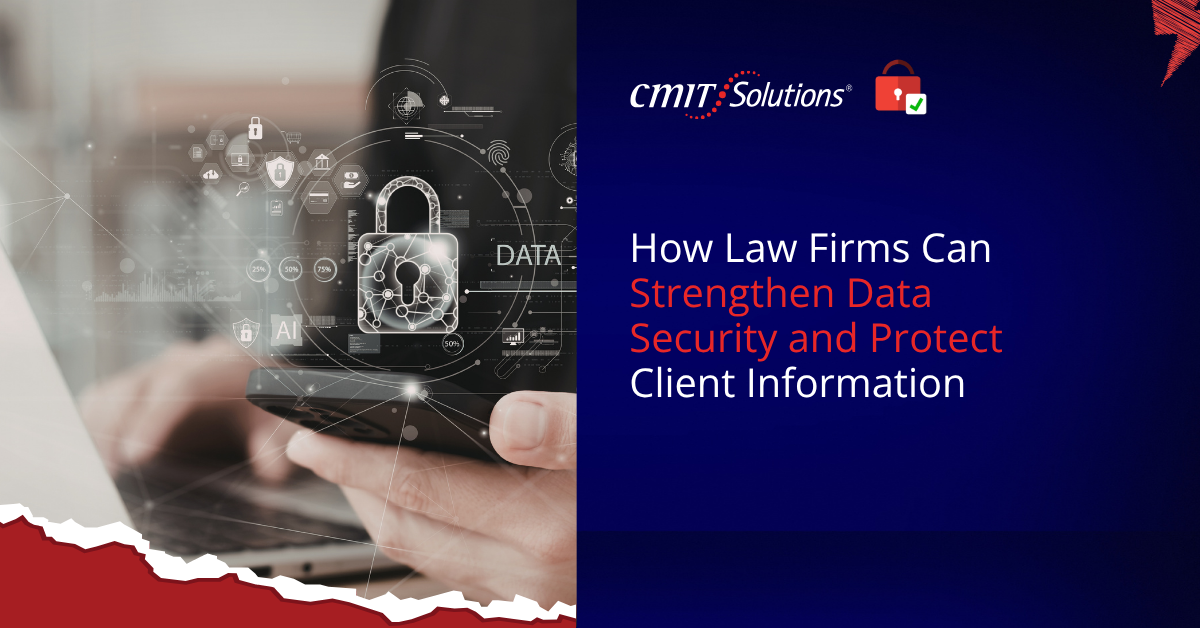
Law firms manage some of the most sensitive information in any industry. Client records, legal documents, financial information, contracts, case strategies, and confidential communications all contain highly valuable data. Because of this, law firms are increasingly becoming targets for cybercriminals looking to steal or exploit sensitive information.
In today’s digital environment, protecting client data is not only an ethical obligation but also a business necessity. A single data breach can damage a firm’s reputation, lead to legal consequences, and undermine client trust. As technology continues to evolve and legal practices rely more on digital systems, strengthening data security has become a critical priority for modern law firms.
This guide explores practical strategies law firms can implement to strengthen data security and ensure client information remains protected.
Why Data Security Is Critical for Law Firms
Legal professionals are entrusted with confidential client information that must remain protected at all times. Unlike many other industries, law firms handle sensitive documents that may include financial records, intellectual property, corporate strategies, and personal legal matters.
A security breach can have serious consequences for law firms, including:
- Loss of confidential client information
- Legal liability and regulatory penalties
- Damage to the firm’s professional reputation
- Loss of client trust and business opportunities
Because of these risks, law firms must prioritize strong business cybersecurity practices to protect sensitive information and maintain professional integrity. Many firms are also addressing law firm cyber risks as part of broader protection efforts.
Data security is no longer just an IT responsibility—it is an essential part of risk management for every law firm.
Implement Strong Access Control Policies
One of the most effective ways to protect client data is by controlling who has access to sensitive information. Not every employee within a law firm needs access to every file or document.
Access control policies allow firms to restrict access based on employee roles and responsibilities.
Important access control practices include:
- Granting employees access only to information relevant to their work
- Using role-based permissions for legal databases and document systems
- Requiring strong password policies
- Implementing multi-factor authentication for sensitive systems
These measures help prevent unauthorized access to confidential information and reduce the risk of internal data exposure.
Law firms that work with experts providing cyber security services can implement stronger access control frameworks that protect sensitive legal data. Many firms are improving defenses with identity access security.
Secure Document Storage and File Sharing
Law firms frequently exchange confidential documents with clients, partners, and courts. Without secure systems in place, document sharing can expose sensitive information to unauthorized access.
Secure document management systems allow law firms to store files safely and control how documents are shared.
Best practices for secure document storage include:
- Encrypting files before sharing them electronically
- Using secure client portals instead of email attachments
- Limiting download permissions for confidential documents
- Tracking document access and file activity
Firms adopting secure cloud infrastructure solutions can provide encrypted document storage while allowing authorized users to access files safely from anywhere. Many legal teams also benefit from secure file sharing.
This approach improves collaboration while maintaining strong data protection.
Protect Email Communications
Email remains one of the most common communication tools used by law firms. However, it is also one of the most common entry points for cyberattacks.
Phishing emails often attempt to trick legal professionals into revealing login credentials or downloading malicious files.
To secure email communications, law firms should:
- Implement advanced email filtering systems
- Use encrypted email services when sharing sensitive information
- Train employees to identify phishing attempts
- Avoid sending confidential documents through unsecured email channels
Businesses that implement security monitoring systems can detect suspicious email activity and prevent potential threats before they compromise systems. Many organizations are strengthening email security protection to reduce these risks.
Maintain Reliable Data Backup Systems
Data loss can occur for many reasons, including cyberattacks, hardware failures, accidental deletion, or natural disasters. For law firms, losing client documents or legal records can severely impact case preparation and legal proceedings.
Reliable backup systems ensure that important data can be restored quickly if systems fail.
Law firms that implement data backup solutions benefit from:
- Automatic backups of legal documents and databases
- Secure offsite storage of important files
- Faster data recovery after system failures
- Protection against ransomware attacks
Backup systems should be tested regularly to ensure data can be restored quickly when needed.
Maintaining secure backups is a critical component of any law firm’s cybersecurity strategy. Many firms now rely on secure backup planning to protect critical legal data.

Train Employees on Cybersecurity Awareness
Human error remains one of the most common causes of data breaches. Employees may accidentally click on malicious links, share sensitive information incorrectly, or use weak passwords.
Cybersecurity training helps legal staff recognize potential threats and adopt safer digital practices.
Effective training programs should include:
- Recognizing phishing emails and suspicious links
- Creating strong passwords and managing credentials
- Securely handling confidential client documents
- Reporting potential cybersecurity incidents quickly
Combining employee training with reliable IT support services ensures staff members have the knowledge and assistance needed to maintain secure systems. Many firms improve this through security awareness training.
When employees understand cybersecurity risks, they become an important line of defense against cyber threats.
Secure Remote Work and Mobile Access
Many law firms now support remote work and mobile access to case files and communication systems. While remote access improves flexibility, it also introduces additional security risks.
Employees accessing systems from home networks or mobile devices must follow strict security protocols.
Important remote security measures include:
- Using secure virtual private networks (VPNs)
- Enabling multi-factor authentication
- Protecting mobile devices with encryption
- Restricting access to sensitive systems from unsecured networks
Firms that adopt business cloud solutions can provide secure remote access to legal documents and applications while maintaining strong security controls. Many practices strengthen this with remote access security.
Secure remote environments allow lawyers and staff to work efficiently without compromising client data protection.
Regularly Update Software and Systems
Outdated software is one of the most common vulnerabilities exploited by cybercriminals. Many attacks target systems that have not been updated with the latest security patches.
Law firms must ensure that all systems, applications, and security tools are regularly updated.
Regular system maintenance should include:
- Installing software updates and security patches
- Updating operating systems and applications
- Monitoring system performance and vulnerabilities
- Removing outdated or unused software
Organizations that implement IT performance optimization practices maintain more stable and secure technology environments. Many law firms modernizing systems also review legacy system upgrades.
Routine updates help prevent cyberattacks that exploit known vulnerabilities.
Develop an Incident Response Plan
Even with strong security measures in place, no system is completely immune to cyber threats. Law firms must be prepared to respond quickly if a security incident occurs.
An incident response plan outlines the steps employees should take if systems are compromised.
A strong incident response plan should include:
- Procedures for identifying security incidents
- Steps for isolating affected systems
- Communication protocols for notifying clients if necessary
- Recovery strategies for restoring systems and data
Law firms that partner with providers offering professional IT management can develop structured response plans that minimize the impact of cybersecurity incidents. Many organizations reinforce this with incident recovery strategy.
Preparedness helps law firms respond quickly and protect sensitive client information.

Work with Experienced IT Security Professionals
Maintaining strong data security requires ongoing monitoring, system updates, and threat detection. Many law firms lack the internal resources needed to manage complex cybersecurity environments.
Working with experienced IT professionals allows law firms to strengthen their security infrastructure and stay ahead of evolving cyber threats.
Managed security providers can deliver services such as:
- Continuous system monitoring
- Threat detection and prevention
- Data protection strategies
- Security compliance support
- Ongoing system maintenance
Firms that adopt a modern IT strategy gain access to advanced security tools and expert guidance that protects both client data and business operations. Many firms are also adopting proactive managed security and compliance focused protection to stay prepared.
Conclusion
Data security is one of the most important responsibilities for modern law firms. Protecting client information is essential for maintaining trust, ensuring regulatory compliance, and safeguarding the integrity of legal services.
From implementing strong access controls and secure document systems to training employees and maintaining reliable backups, law firms must take a proactive approach to cybersecurity.
By strengthening data protection strategies, legal professionals can reduce security risks and ensure confidential information remains protected at all times.
Partnering with CMIT Solutions Long Beach helps law firms implement advanced cybersecurity solutions, secure data management systems, and proactive monitoring designed to protect sensitive client information.
If your law firm wants to strengthen its data security and safeguard client records, contact CMIT Solutions of Long Beach today to learn how professional cybersecurity services can help protect your legal practice and maintain client trust.