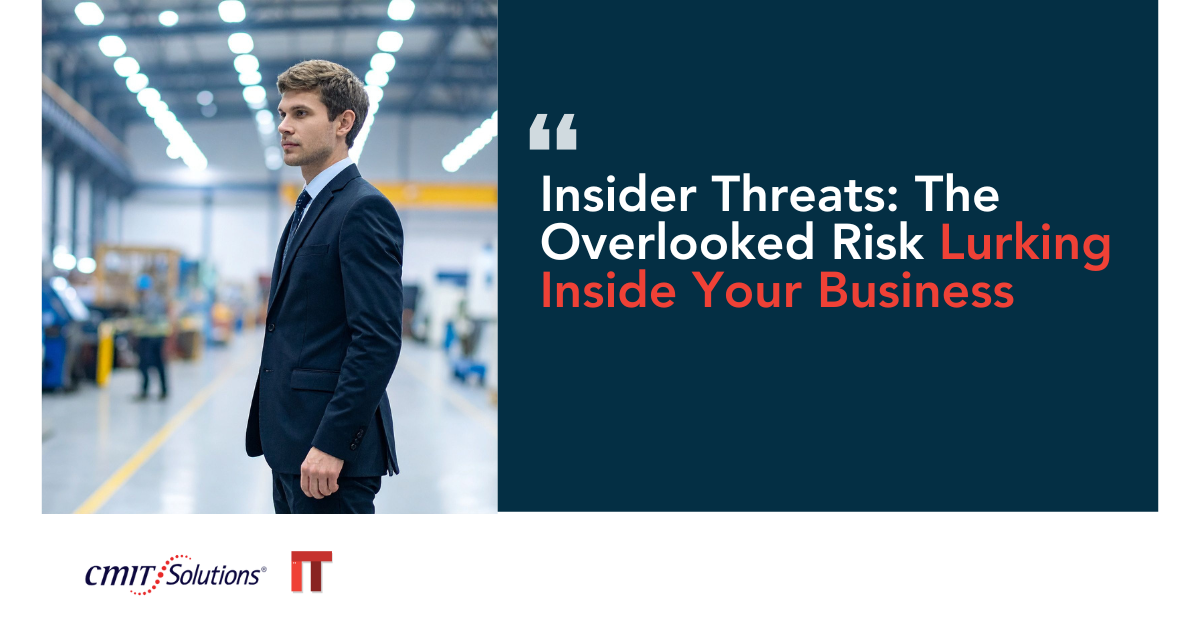
Introduction: Why Insider Threats Matter
When businesses think about cybersecurity, external hackers often come to mind. However, insider threats—risks posed by employees, contractors, or partners are increasingly responsible for data breaches and operational disruptions. Whether intentional or accidental, these threats can compromise sensitive data, damage reputations, and lead to significant financial losses.
Implementing strong security measures and leveraging managed IT services helps businesses identify, prevent, and mitigate insider risks effectively.
What Are Insider Threats?
Insider threats are security risks originating from within an organization. They typically fall into three categories:
- Malicious insiders: Employees or contractors who intentionally steal, leak, or sabotage data.
- Negligent insiders: Employees who unintentionally expose sensitive data through carelessness, such as weak passwords or accidental email misdelivery.
- Compromised insiders: Employees whose accounts are hijacked by external attackers.
All types of insider threats can impact compliance, business continuity, and customer trust, making cybersecurity compliance a critical part of defense strategies.

Why Businesses Overlook Insider Threats
Many organizations underestimate insider threats because:
- They trust their employees too readily.
- Security strategies focus primarily on external attacks.
- Lack of visibility into employee actions and access permissions.
Organizations can address this oversight by combining managed IT services with strong monitoring and access controls.
Common Insider Threat Scenarios
Data Theft
Insiders may steal intellectual property, financial information, or customer data. Using IT guidance ensures proper access management and reduces the risk of data exfiltration.
Accidental Data Exposure
Negligent employees may:
- Share files publicly
- Send emails to wrong recipients
- Use weak passwords
Training and productivity applications with built-in security features help prevent these mistakes.
Account Compromise
Attackers often exploit employee credentials to access systems. Implementing cybersecurity compliance practices like multi-factor authentication limits this risk.

Strategies to Mitigate Insider Threats
Implement Role-Based Access
Limit access to sensitive data according to job responsibilities using IT guidance.
Monitor User Activity
Deploy monitoring solutions to detect unusual patterns with managed IT services support.
Regular Security Training
Educate employees about phishing, password hygiene, and safe file sharing. Tools like productivity applications can integrate security alerts.
Enforce Strong Authentication
Use multi-factor authentication and password management solutions to protect accounts.
Conduct Regular Audits
Periodically review permissions, access logs, and security policies to prevent accidental or malicious insider actions.
The Role of Technology in Preventing Insider Threats
Modern technologies can help businesses detect and prevent insider threats proactively:
- User Behavior Analytics (UBA): Monitors deviations in employee activity.
- Data Loss Prevention (DLP): Protects sensitive data from leaving the organization.
- Endpoint Security: Secures devices used by employees both on-site and remotely.
Combining these with managed IT services ensures a comprehensive defense.
Insider Threats and SMBs
SMBs are particularly vulnerable because they often lack robust IT infrastructure. They can address insider threats by:
- Partnering with managed IT services providers for monitoring and guidance.
- Leveraging cloud services for secure storage and access.
- Implementing access controls and training programs that scale with the business.
Conclusion: Don’t Ignore the Risk Inside
Insider threats are an often-overlooked but significant risk to businesses of all sizes. By combining technology, training, and managed IT services, organizations can prevent data breaches, protect sensitive information, and maintain operational integrity.
Recognizing and addressing insider threats today ensures a more secure, compliant, and resilient business environment tomorrow.