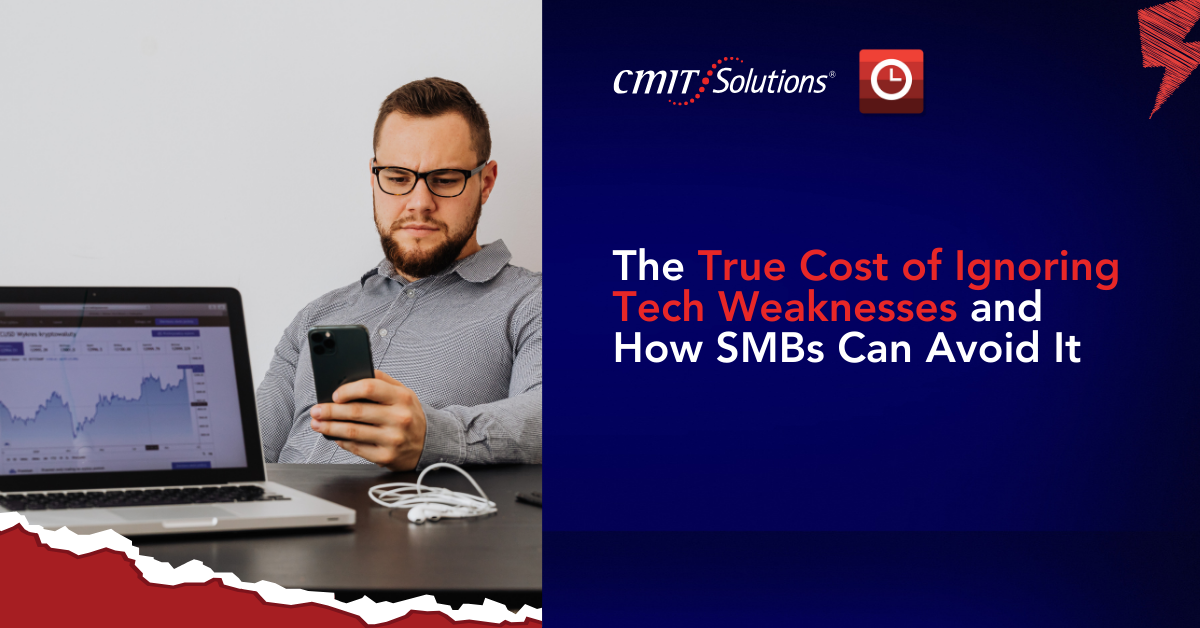
Small and midsize businesses depend on technology more than ever yet many still operate with outdated systems, unsecured networks, untrained employees, and weak backup strategies. These vulnerabilities might seem harmless today, but they quietly drain productivity, increase financial risk, and expose companies to cyberattacks that can halt operations entirely.
Across Long Beach, the warning signs are becoming clear. Local businesses dealing with downtime, data loss, and cyber threats often discover one root cause: tech weaknesses that were ignored too long. And as seen in recent operational risk patterns, attackers usually find the weakest link first.
operational risk
Let’s break down the true cost and what SMBs can do to stay ahead before vulnerabilities become expensive emergencies.
The Hidden Financial Impact of Outdated Technology
Old computers, unsupported software, lagging networks, and aging servers might still turn on, but they slow down every function in the business. The cost isn’t just equipment it’s all the hours lost to slow systems, manual workarounds, and constant troubleshooting.
These patterns mirror real downtime scenarios where organizations lose thousands simply because systems weren’t maintained.
downtime scenarios
Financial effects of outdated tech:
- Slower workflows that reduce billable hours
- Frequent repairs or emergency fixes
- Lost sales due to system outages
- Higher operational costs over time
Security Gaps That Lead to Expensive Cyber Incidents
Cybercriminals don’t need advanced exploits to breach a small business they only need one weak password, one outdated device, or one employee mistake. Ignoring weak security controls is one of the fastest ways to invite an attack.
Local threat activity highlights how targeted intrusions are increasing toward SMBs that lack modern protection.
targeted intrusions
Common SMB security gaps:
- Unpatched software vulnerabilities
- Old antivirus programs
- Shared employee passwords
- No staff training or phishing awareness

Ransomware: The Most Expensive Threat SMBs Ignore
Ransomware attacks no longer target only big corporations. They now hit small businesses at a much higher rate encrypting files, stopping operations, and demanding thousands in ransom.
Recent recovery cases show how a single ransomware event can cost 5–10 times more than preventive protection.
recovery cases
Consequences of ignoring ransomware risks:
- Permanent loss of financial or client data
- Multi-day operational shutdowns
- Data recovery costs and legal fees
- Lost customer trust
Weak Authentication: A Small Weakness with Huge Consequences
Password reuse, weak logins, and outdated authentication methods are among the top culprits for business breaches. With AI tools now capable of cracking passwords in minutes, SMBs can’t afford to rely on outdated practices.
Modern credential risks emphasize why older authentication methods no longer work.
credential risks
High-risk authentication behaviors:
- Using one password for multiple tools
- Leaving admin accounts unprotected
- Relying on SMS-based MFA
- Lack of device identity verification
Slow Networks Drain Productivity and Revenue
A slow network might seem like a minor inconvenience, but for growing SMBs, it becomes a major cost center. Delayed customer responses, frozen apps, lagging cloud programs, and dropped calls all affect daily business performance.
These issues mirror findings in infrastructure performance studies, showing how poorly managed networks restrict growth.
infrastructure performance
Network-related losses include:
- Delayed customer communication
- Slower employee output
- Poor-quality remote work connections
- Disruptions during online sales or service
Human Error Remains the #1 Cause of Preventable Incidents
Even with advanced tools, humans remain the biggest vulnerability when training is weak. Studies show most breaches begin with an employee clicking a malicious link or using an unsafe device.
Training insights reflect the need for continuous employee awareness, especially with AI-powered phishing attacks becoming harder to detect.
employee awareness
Common employee-driven risks:
- Clicking phishing emails
- Using personal devices on company networks
- Falling for fake invoice scams
- Sharing login credentials
Ignoring Cloud Misconfigurations Can Lead to Massive Data Leaks
Many SMBs adopt cloud tools quickly but fail to configure them securely. Misconfigurations leave financial documents, client data, and internal files publicly accessible without the business realizing it.
Recent industry trends highlight the need for stronger cloud oversight, especially with hybrid teams and remote access.
cloud oversight
Common cloud mistakes:
- Wrong sharing permissions
- Unsecured public folders
- No multi-factor authentication on cloud logins
- Lack of regular configuration reviews
When Backups Are Weak, Recovery Becomes Impossible
Every SMB needs reliable, frequent, and fully tested backups. But many businesses operate with old backup drives, unverified cloud copies, or systems that haven’t been tested in years.
Backup errors are often discovered too late after files become corrupted or encrypted. Modern data protection models stress the importance of resilient, automated backups.
data protection
Backup weaknesses include:
- Backups stored on the same network as live data
- No offsite or cloud redundancy
- Never testing recovery procedures
- Outdated backup storage devices
Tech Weaknesses Lead Directly to Compliance Problems
Whether an SMB handles financial information, healthcare files, or customer records, weak technology practices create compliance risks. Violations can lead to fines, lawsuits, and reputation damage.
Recent audit challenges show how unprepared SMBs struggle to meet documentation and security standards.
audit challenges
Compliance issues tied to tech weaknesses:
- Lack of access controls
- Missing cybersecurity policies
- Insecure file-sharing practices
- No evidence of continuous monitoring


Tech Debt: The Hidden Burden That Slows Growth
Tech debt refers to outdated systems and temporary fixes that accumulate over time. SMBs often ignore it because it isn’t an immediate crisis until suddenly it is. Tech debt impacts innovation, hiring, customer service, and overall competitiveness.
Long Beach SMBs increasingly recognize tech debt patterns as barriers to digital transformation.
tech debt patterns
Tech debt consequences:
- Systems that can’t integrate with new tools
- High cost of “catch-up” upgrades
- Difficulty scaling operations
- Restriction of business innovation
The Solution: Building a Strong, Proactive IT Foundation
Ignoring weaknesses is costly but addressing them early is surprisingly affordable. The most successful SMBs take a proactive approach: they identify risks, modernize systems, improve security, and partner with experts for ongoing support.
These solutions align with proven improvement strategies that stabilize operations and protect long-term growth.
improvement strategies
Steps SMBs can take immediately:
- Run a comprehensive IT health assessment
- Replace outdated systems and software
- Move to modern authentication methods
- Strengthen cybersecurity across all endpoints
- Implement secure cloud configurations
- Test backups and recovery processes regularly
- Train employees every quarter
- Partner with a trusted Managed IT provider
Conclusion: Weak Tech Isn’t Just a Risk It’s an Ongoing Cost
Small businesses don’t fail because of one big incident they fail because of small weaknesses that compound over time. Every slow computer, every outdated password, every unpatched device adds risk and drains time, money, and opportunity.
By addressing tech weaknesses early, SMBs protect their data, strengthen customer trust, streamline operations, and unlock room for growth.