
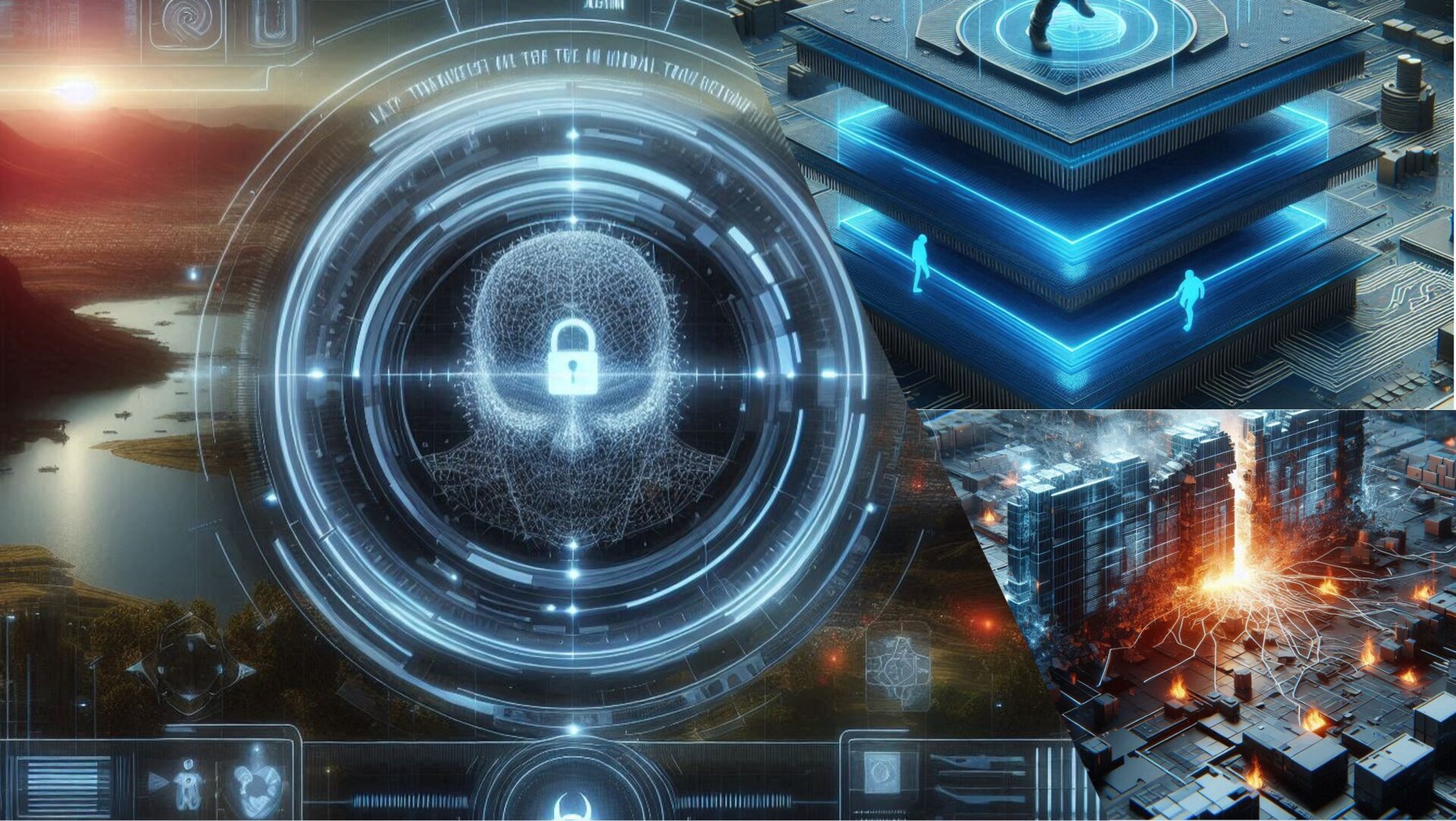
Events in the digital space just delivered a harsh lesson; it’s called Midnight Blizzard. The attack on Microsoft, a tech titan, wasn’t just another blip on the radar; it was a seismic event that proved no organization, regardless of its size or resources, is beyond the reach of sophisticated adversaries. The Midnight Blizzard incident, attributed to Russian state-sponsored actors, exposed the fragility of even the strongest security postures. Microsoft confirmed that attackers gained access to top-level executive emails, and perhaps most alarmingly, the breach persisted for months before detection. The attackers employed tactics like password spraying and token replay, demonstrating a persistent and adaptive approach. This wasn’t a smash-and-grab; it was a long-term residency within a seemingly secure environment.
Cybersecurity has been viewed through a reactive lens for too long – building higher digital walls and hoping they hold. The Midnight Blizzard incident brutally exposed the limitations of this approach. Attackers weren’t just attempting a quick smash-and-grab; they achieved a “long-term residency” within a seemingly secure environment, accessing top-level executive emails and persisting for months before detection. This wasn’t about overwhelming defenses, but rather about stealth, persistence, and thinking like an adversary.
So, what does this teach us? Several critical lessons emerge from the shadow of Midnight Blizzard:
- Even Giants Are Vulnerable: If a tech titan like Microsoft can be breached, no organization, regardless of size or resources, is immune.
- Detection Speed is Everything: The extended dwell time of the attackers underscores the critical need for rapid detection and response capabilities. The longer attackers remain, the more damage they can inflict and the deeper they can embed themselves.
- Nation-State Actors are Getting Smarter, Faster: The sophistication and patience displayed in the Midnight Blizzard attack highlight the evolving capabilities of state-sponsored groups. They are well-funded, highly skilled, and persistent.
- Emails Remain the #1 Weak Point: Despite advancements in security technology, email remains a primary vector for initial access and persistent threats. Compromised credentials and phishing attacks remain incredibly effective.
- Security Teams Must Think Like Attackers: To defend truly, we must understand the attacker’s mindset, their motives, and their methods. This requires a shift from a purely defensive posture to one that incorporates adversarial thinking.
There’s a crucial bonus lesson here: don’t become overly reliant on “big vendor” tools as a panacea. While essential, technology alone is insufficient. The Midnight Blizzard breach, despite Microsoft’s extensive security investments, illustrates this point. We must audit everything and trust nothing implicitly.
The financial implications of failing to heed these lessons are staggering. According to IBM Security’s 2024 Cost of a Data Breach Report, the global average data breach cost reached an all-time high of $4.45 million in 2023. This cost is significantly higher for organizations in the United States, averaging a staggering $5.39 million. This figure encompasses the direct costs of detection, escalation, notification, and post-breach response, as well as the significant indirect costs of lost business.
Looking at the broader economic landscape, the impact of cybercrime is measured in trillions. Cybersecurity Ventures predicted that cybercrime would cost the world $8 trillion in 2023, with projections rising to $10.5 trillion annually by 2025. While precise, real-time U.S.-specific figures for the last 12 months are dynamic, these global numbers, with the U.S. being a prime target, underscore a multi-billion-dollar domestic impact. Recent headlines consistently report U.S. entities falling victim to attacks, each carrying substantial financial burdens. In the healthcare sector, a frequent target, the average cost of a breach globally exceeded $11 million.
The Midnight Blizzard incident is a clear and urgent call to action. Resilience in this digital age is not about the size of your balance sheet or the strength of your brand; it’s about the speed and intelligence of your defense, detection, and response. Relying solely on traditional perimeter defenses is no longer a viable strategy.
The future of cybersecurity demands a shift towards foresight. It requires continuous validation of your security controls against the latest threats, adversarial simulation to test your defenses before attackers do, and leveraging tools like AI-driven threat hunting to uncover hidden malicious activity within vast datasets proactively. It’s about anticipating the attacker’s next move and building a dynamic, adaptive defense. It’s time to move beyond asking “if we get breached” to “when we get breached, how quickly can we detect, respond, and recover?“
The financial stakes are undeniable, and the threat landscape is evolving at an unprecedented rate. Don’t wait for your own “Midnight Blizzard” to force a change.
What to do now: The cost of inaction is measured in millions. Proactively assess your security posture with an adversarial mindset. Invest in continuous security validation and explore the power of AI-driven threat hunting to protect your bottom line and your future. The time to act is now.
Contact CMIT Solutions today to discover how you can develop a more resilient and foresighted cybersecurity strategy and prevent becoming another statistic in the rising cost of cybercrime.
#Cybersecurity #Phishing #Smishing #SMB #microsoft #midnightblizzard #BusinessSecurity #CyberInsurance #SecurityAwareness #ProtectYourBusiness #SmallBusiness #MediumBusiness #BusinessSecurity #Entrepreneurship #DataBreach #Malware #FraudPrevention #EmailSecurity #SMSPhishing #BEC #SocialEngineering #StaySafeOnline #CyberAttackPrevention #SecurityTips #ProtectYourData #rutgers #remba #mcrcc #mccc #newjersey #njccic #njsbdc #sbdc #njlaw #cpas #nonprofit #education #school #cmitsolutions