How Phishing, Deepfakes, and Autonomous Malware Are Redefining Cybersecurity for SMBs
The New Rule of Cybersecurity: Trust Nothing. Verify Everything.
There was a time when spotting a phishing email was easy.
The grammar looked like it had been translated three times and then run through a blender.
Those were simpler times.
Today, thanks to artificial intelligence, cybercriminals have become remarkably professional. Their emails are polished. Their grammar is flawless. Their messages sound exactly like your CEO, your trusted vendor, your banker, or even a colleague sitting ten feet away.
Now, cybercriminals aren’t just attacking computers.
They’re attacking trust itself.
And for many small and midsized businesses (SMBs), that may be the most dangerous cybersecurity trend of all.
The Biggest AI Upgrade Didn’t Happen on Your Side
While businesses have been exploring AI to improve productivity, automate workflows, and enhance customer experiences, cybercriminals have been doing the same.
The result?
Attacks that are:
- More convincing
- More personalized
- Faster to deploy
- Harder to detect
- Infinitely scalable
What used to require a team of attackers working for days can now be created automatically in minutes.
Unfortunately, your employees are still human, and that is exactly what attackers are counting on.
Phishing Has Graduated From “Obvious Scam” to “Scarily Accurate”
For years, security awareness training taught employees to look for telltale warning signs:
- Poor spelling
- Awkward grammar
- Generic greetings
- Suspicious formatting
AI has effectively erased most of those clues.
Today’s phishing campaigns can analyze LinkedIn profiles, company websites, press releases, social media posts, and public business records to create messages that feel remarkably authentic.
Imagine receiving an email that:
- References a client you’re currently working with
- Mentions a conference your company recently attended
- Uses your manager’s writing style
- Arrives during normal business hours
- Includes details only someone inside the company would seemingly know
That isn’t science fiction. That’s modern phishing.
Security researchers observed a 703% increase in credential phishing attacks during the second half of 2024, demonstrating how rapidly attackers are weaponizing AI to steal identities and gain access to business systems.
Gone are the days when spotting a typo was enough.
The emails are now polished, professional, and frighteningly believable.

Deepfakes Have Officially Entered the Boardroom
Now let’s make things a little more uncomfortable.
What happens when the attacker doesn’t just write like your CEO?
What happens when they sound like them?
Or appear on a video conference looking exactly like them?
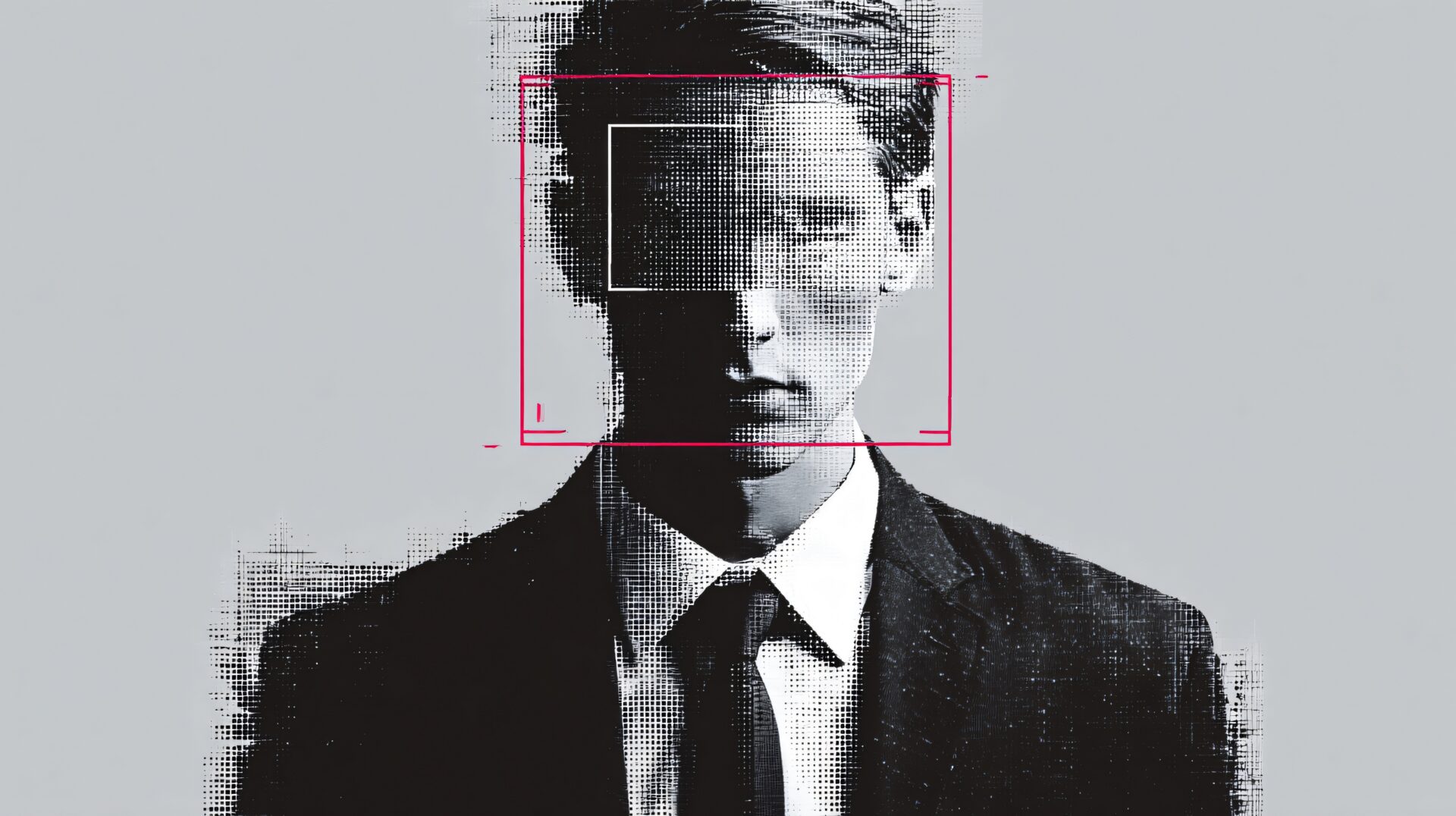
Deepfake technology has evolved so rapidly that criminals can now create convincing audio and video impersonations using only a small sample of publicly available recordings.
- A podcast appearance.
- A YouTube video.
- A webinar recording.
- A LinkedIn clip.
That’s often all it takes.
The result is a new generation of social engineering attacks that exploit one of the oldest business instincts: trusting familiar faces and voices.
Real-World Examples: This Isn’t Theoretical Anymore
If deepfake attacks still sound like something from a movie script, consider what’s already happened.
1. The $25 Million Video Call
In one of the most widely publicized deepfake fraud cases, an employee at global engineering giant Arup joined what appeared to be a routine video conference with the company’s CFO and several executives.
- The participants looked authentic.
- The voices sounded legitimate.
- The instructions seemed normal.
- Except none of the executives were actually there.
Criminals used AI-generated video and voice cloning technology to impersonate company leadership and convince the employee to transfer approximately $25.6 million to fraudulent accounts before the deception was discovered
Think about that for a moment.
This wasn’t someone clicking a suspicious link.
This was a trained employee participating in what appeared to be a legitimate business meeting.
2. Ferrari’s Near Miss
Ferrari executives reportedly became targets of a sophisticated deepfake campaign involving cloned voices, fake executive communications, and an urgent request for confidential information.
Fortunately, one executive grew suspicious and asked a personal question only the real CEO could answer.
The AI couldn’t answer.
The scam failed.
Technology didn’t save the day.
A verification process did.
3. The WPP Attack
Global communications firm WPP was targeted through a combination of voice cloning, fake messaging accounts, and a fabricated Microsoft Teams meeting designed to impersonate senior leadership.
The attack was unsuccessful because employees identified inconsistencies and followed proper reporting procedures. [truthscan.com], [cmitsolutions.com]
It’s a reminder that even as technology advances, informed employees remain one of the strongest layers of defense.

The Numbers Behind the Deepfake Explosion
The frightening reality isn’t simply that deepfake attacks exist. It’s how rapidly they’ve grown.
Recent industry research found:
- 49% of companies globally reported being targeted by audio or video deepfake fraud.
- Deepfake fraud attempts have increased by more than 2,100% over the last three years.
- Voice deepfake attacks increased 680% year-over-year during 2024
- Researchers estimate a deepfake fraud attempt occurred approximately every five minutes during 2024.
- 85% of cybersecurity professionals reported experiencing at least one deepfake-related incident within the previous year.
- Organizations suffering losses from deepfake fraud reported an average financial impact exceeding $280,000 per incident.
Perhaps most alarming, researchers estimate the volume of deepfake content shared online grew from roughly 500,000 files in 2023 to nearly 8 million by 2025.
That’s not growth. That’s an explosion.

The Real Target Isn’t Your Network. It’s Your People.
For decades, cybersecurity has focused on building stronger walls.
- Firewalls.
- Antivirus.
- Network appliances.
And while those tools are still essential, modern attackers have discovered something even easier than hacking through them.
They simply convince someone to let them in.
Today’s AI-powered attacks are designed to exploit:
- Human trust
- Impatience
- Authority
- Urgency
- Familiarity
Attackers understand that your employees often represent the shortest path to your finances, customer information, intellectual property, and business applications.
In many ways, your staff has become part of your security perimeter.

What SMBs Can Do Right Now
The good news?
Businesses are not powerless against these evolving threats.
Organizations successfully defending against AI-powered attacks are focusing on a combination of technology, training, and process.
1. Verify Unusual Requests
Especially those involving money, credentials, sensitive information, or changes to payment instructions.
Even if they appear to come from senior leadership.
2. Implement Phishing-Resistant MFA
Modern authentication tools, such as passkeys and advanced multifactor authentication, create significant barriers for attackers who rely on stolen credentials.
3. Train Employees Continuously
Annual security training is no longer enough.
Threats evolve constantly, and employee awareness must evolve with them.
4. Deploy Behavioral Security Tools
Modern security platforms focus on behavior rather than signatures, helping identify suspicious activity even when the threat has never been seen before.
5. Create a Culture of Verification
Employees should never feel uncomfortable questioning unusual requests.
In today’s threat landscape, healthy skepticism is a business asset.
The Bottom Line
Artificial intelligence is transforming business in incredible ways.
Unfortunately, it’s doing exactly the same thing for cybercriminals.
The organizations that thrive in the coming years won’t necessarily be those with the largest cybersecurity budgets.
They’ll be the ones who understand a simple but important truth:
In the age of AI-powered phishing, deepfakes, and autonomous attacks, trust is no longer a security strategy. Verification is.
Ready to Find Out How Vulnerable Your Organization Is?
At CMIT Solutions of Tribeca, we help SMBs build modern cybersecurity strategies that combine employee awareness, identity-first security, advanced threat detection, and proactive monitoring to defend against today’s AI-powered threats.
Schedule a Cybersecurity Risk Assessment today and discover how prepared your people, processes, and technology really are before attackers put them to the test.
Because when seeing is no longer believing, preparation becomes everything.