Austin’s business environment is evolving rapidly. From startups and tech firms to healthcare providers, financial institutions, and professional services, organizations are becoming more digitally connected than ever before.
With this transformation comes increased exposure to cyber threats.
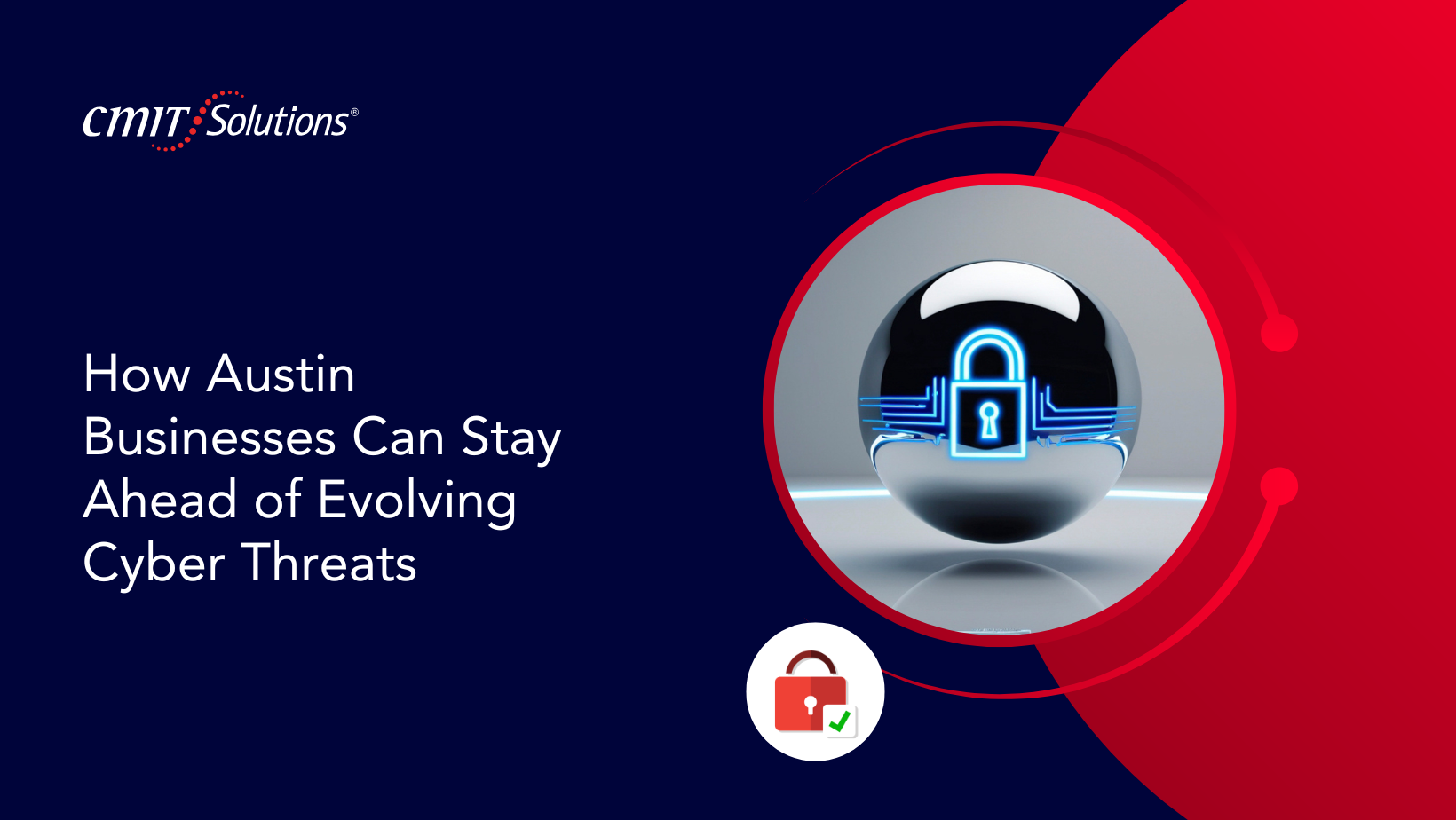
In 2026, cyber risks are no longer static. They are constantly evolving becoming faster, more sophisticated, and more difficult to detect. For Austin businesses, staying ahead of these threats requires more than traditional security measures. It requires a proactive, structured approach that adapts to the changing threat landscape.
Cyber Threats Are Becoming More Advanced
Cybercriminals are no longer relying on simple attack methods. They are leveraging automation, artificial intelligence, and large-scale data analysis to increase their success rates.
Common Evolving Threats
- Ransomware attacks targeting critical business operations
- Phishing campaigns using highly personalized messages
- Credential-based attacks exploiting weak or reused passwords
- Exploitation of newly discovered vulnerabilities
What This Means for Businesses
- Attacks are happening faster than ever
- Detection alone is not enough
- Immediate response is critical
Many organizations are already preparing for autonomous threats.
Ransomware Continues to Disrupt Businesses
Ransomware remains one of the most damaging cyber threats.
Modern Ransomware Tactics
- Data encryption combined with data theft
- Targeting of backup systems
- Lateral movement across networks
- Threats of public data exposure
Impact on Businesses
- Operational downtime
- Financial losses
- Reputational damage
- Compliance violations
Businesses are strengthening their defenses through ransomware readiness and understanding ransomware risks.
Phishing and Social Engineering Are More Sophisticated
Email-based attacks have become more convincing and harder to detect.
Key Characteristics
- AI-generated content that mimics real communication
- Impersonation of executives and trusted vendors
- Highly targeted messages based on research
Prevention Strategies
- Employee awareness and training
- Multi-factor authentication (MFA)
- Monitoring unusual login activity
- Clear reporting procedures
Organizations are investing in cyber awareness.
Cloud Expansion Has Increased the Attack Surface
As businesses adopt cloud platforms, their attack surface expands.
Common Cloud Risks
- Misconfigured storage exposing sensitive data
- Over-permissioned user access
- Lack of centralized monitoring
What Businesses Must Do
- Implement strong identity and access controls
- Monitor cloud environments continuously
- Conduct regular audits
Many companies are refining their cloud strategy and addressing cloud cost issues.
Endpoint Security Is More Important Than Ever
With hybrid work and multiple devices, endpoints have become a primary target.
Key Risks
- Unsecured personal devices
- Remote access vulnerabilities
- Lack of consistent security policies
Protection Measures
- Endpoint detection and response (EDR)
- Device management policies
- Continuous monitoring
Businesses are focusing on endpoint security.
Identity-Based Security Is Taking Priority
Modern security strategies are shifting toward identity-first approaches.
Why Identity Matters
- Most attacks begin with compromised credentials
- Cloud systems rely on user authentication
- Access control determines data exposure
Key Practices
- Multi-factor authentication
- Role-based access control
- Monitoring login behavior
Many organizations are adopting identity-first security.
Continuous Monitoring Is Essential
Cyber threats operate in real time, so businesses must monitor systems continuously.
What Continuous Monitoring Includes
- 24/7 network and system monitoring
- Real-time threat detection
- Automated alerts and response
Benefits
- Faster detection of threats
- Reduced impact of incidents
- Improved overall security posture
Continuous monitoring is a core part of network management.
Backup and Recovery Are Critical for Resilience
Even with strong defenses, incidents can still occur.
Key Backup Strategies
- Regular and automated backups
- Secure and isolated storage
- Frequent testing of recovery processes
Why It Matters
- Enables quick recovery from attacks
- Minimizes downtime
- Protects critical business data
Businesses are improving resilience through disaster recovery.
Compliance Is Raising the Stakes
Cybersecurity is now closely tied to regulatory requirements.
What Businesses Must Address
- Data protection standards
- Security documentation
- Incident response planning
Risks of Non-Compliance
- Financial penalties
- Legal consequences
- Loss of trust
Organizations are navigating compliance challenges and broader regulatory complexity.
Vendor and Third-Party Risks Are Increasing
Businesses rely on external vendors, which introduces additional risks.
Common Risks
- Weak security practices from vendors
- Excessive access permissions
- Limited visibility into third-party systems
What Businesses Must Do
- Conduct vendor security assessments
- Limit access to necessary systems
- Monitor integrations continuously
Many leaders are addressing vendor risks.
What Austin Businesses Should Prioritize
To stay ahead of evolving cyber threats, businesses must take a proactive approach.
Key Priorities
- Continuous monitoring and threat detection
- Strong identity and access management
- Regular security updates and patching
- Employee training and awareness
- Structured incident response planning
Cybersecurity must evolve alongside the business.
The Role of Managed IT Services
Many Austin businesses are turning to managed IT services to strengthen their cybersecurity posture.
How Managed IT Services Help
- Provide 24/7 monitoring and rapid response
- Implement layered security strategies
- Manage cloud environments securely
- Ensure compliance and risk management
- Deliver strategic IT guidance
Managed IT services offer a comprehensive approach to staying ahead of cyber threats.
Conclusion: Staying Ahead Requires a Proactive Strategy
Cyber threats are evolving rapidly, and Austin businesses must adapt to stay protected.
Success in 2026 requires more than basic security measures. It requires continuous monitoring, strong identity controls, proactive planning, and the ability to respond quickly when incidents occur.
Businesses that stay ahead of cyber threats will be those that treat cybersecurity as an ongoing strategy not a one-time solution.
If your business in Austin wants to stay ahead of evolving cyber threats, connect with CMIT Solutions of Austin Downtown and West to implement proactive cybersecurity strategies that protect your systems, data, and operations in 2026 and beyond.