Cloud modernization has become one of the most transformative forces reshaping how modern businesses operate, collaborate, and grow. As work environments shift from traditional office-based models to hybrid and remote structures, organizations increasingly rely on cloud-driven technologies to enhance flexibility, security, automation, and scalability.
For SMBs especially, cloud modernization is not simply an upgrade it is a strategic necessity. The businesses that modernize now will lead the future workforce, while those that hesitate risk falling behind technologically, operationally, and competitively.
This in-depth guide explores what cloud modernization really means, why it matters, and how it reshapes the future of work supported with structured subtopics, bullet points, and internal insights backed by trusted IT resources.
What Cloud Modernization Really Means
Cloud modernization refers to transforming outdated, on-premises systems and tools into agile, cloud-native environments that support automation, innovation, cybersecurity, and remote collaboration.
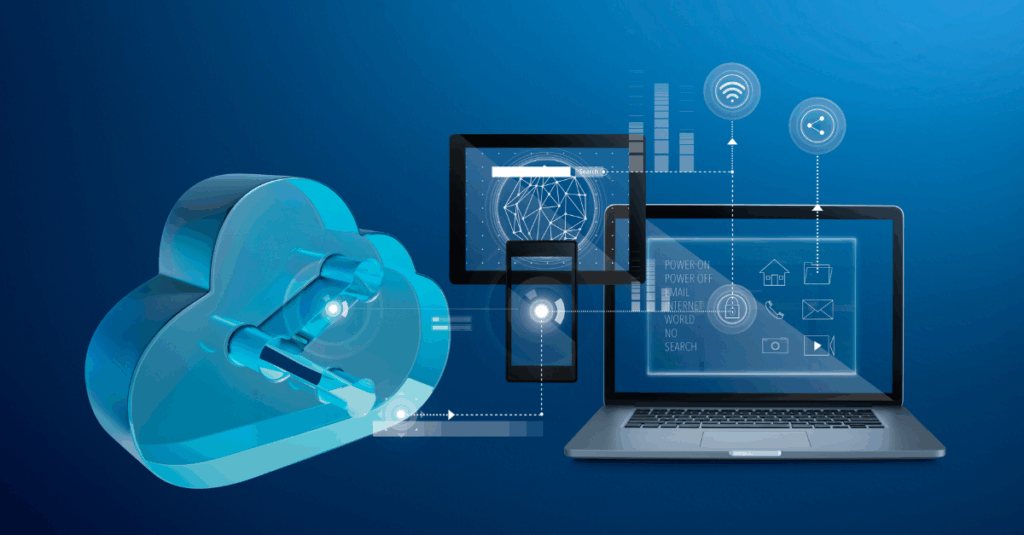
Modernized cloud systems allow businesses to host applications, store data securely, automate processes, and deliver consistent performance across distributed teams. Rather than relying on physical servers, organizations run operations in scalable environments that evolve as rapidly as the digital landscape itself.
A major part of modernization includes reducing manual IT overhead, which is why many organizations explore strategies like cloud efficiency to optimize resource usage and cut infrastructure costs.
Key Characteristics of Modern Cloud Systems
- Elastic scalability for changing workload demands
- Built-in cybersecurity across data, devices, and networks
- Centralized management of applications and workflows
- Automation to reduce manual processes
- Seamless support for hybrid and remote workforces
- Faster deployment of new tools and features
Why Cloud Modernization Matters for Growing Businesses
Businesses today operate in competitive environments where responsiveness, security, and agility determine long-term success. Legacy systems slow workflows, heighten risks, and restrict innovation. Cloud modernization directly addresses these challenges and enables organizations to work smarter and faster.
The growing emphasis on digital workflows has pushed businesses to adopt modern productivity systems. Many leaders draw insights from resources such as business productivity to help teams operate more efficiently and reduce technology-related interruptions.
Business Benefits of Modern Cloud Environments
- Faster access to data and applications
- Reduced hardware costs and maintenance
- Enhanced collaboration across locations
- Stronger security protections
- Improved customer experience through quicker response times
- Easier regulatory compliance
The ability to rapidly scale whether adding new users or supporting business expansion makes cloud modernization essential for long-term growth.
How Cloud Modernization Enables Hybrid and Remote Work
Modern workforces expect the freedom to work from anywhere without sacrificing speed, security, or productivity. Cloud modernization plays a central role in enabling this level of flexibility.
Hybrid work environments rely heavily on secure access to apps, files, and communication tools. That’s why many organizations invest in robust collaboration systems built on cloud technology. Insights like unified communication demonstrate how consistent communication infrastructure improves workflow efficiency across remote teams.
How the Cloud Supports Hybrid Work
- Enables secure login from any device or location
- Provides real-time file access and synchronization
- Eliminates dependency on office hardware
- Supports video conferencing, chat, and shared workspaces
- Protects users through identity-based security controls
Cloud modernization ensures employees are equipped with the tools they need, whether in the office, at home, or on the road.
The Role of Cloud Automation in Cost Reduction
Automation is one of the most powerful advantages of cloud modernization. Cloud-native automation reduces human error, accelerates workflows, and lowers operational costs.
Examples of automation benefits can be seen in guides like cloud efficiency, where automated processes streamline IT operations, improve performance, and optimize resources.
Benefits of Cloud Automation
- Eliminates repetitive tasks
- Reduces IT labor costs
- Enhances consistency and accuracy
- Improves response time to system issues
- Supports autoscaling for variable workloads
Automation empowers SMBs by freeing employees to focus on strategy and innovation rather than time-consuming administrative tasks.
Why SMBs Need Managed IT Services for Cloud Modernization
While cloud modernization offers powerful benefits, navigating it alone can be complex. SMBs rely heavily on managed IT services to ensure successful migration, security, optimization, and day-to-day support.
Guides like managed IT solutions explain how outsourcing IT gives SMBs access to advanced tools and experienced professionals who help maintain operational stability.
How Managed IT Services Support SMB Cloud Growth
- Provide continuous monitoring and threat detection
- Manage cloud migrations safely and efficiently
- Strengthen cybersecurity posture
- Offer proactive updates and system maintenance
- Reduce downtime caused by misconfigurations
- Help align cloud strategy with business goals
With cloud ecosystems evolving rapidly, professional IT guidance ensures SMBs stay secure and competitive.

The Security Advantages of Cloud Modernization
Modern cyber threats target outdated systems, remote devices, and data-heavy networks. Cloud modernization adds advanced security layers that protect businesses from emerging risks.
For example, modern ransomware attacks increasingly target remote workers. Insights like remote ransomware illustrate how cloud-based defenses help reduce the impact of distributed cyber threats.
Cloud Security Advantages
- Built-in encryption and identity management
- Continuous monitoring and automated threat detection
- Multi-factor authentication
- Secure data backups stored off-site
- Micro-segmented access controls
- Better protection for remote devices
Cloud platforms also make zero-trust security easier to implement, strengthening defensive layers across the entire organization.
Why Delaying Cloud Modernization Hurts Business
Companies that postpone modernization face growing risks and rising operational costs. As technology advances, legacy systems become more fragile, less secure, and harder to integrate with modern apps.
The rising complexity of new cyber risks is highlighted in resources like AI threats, which show how older systems lack the capabilities needed to detect or prevent emerging attacks.
The Cost of Delaying Modernization
- Higher risk of data breaches
- Slower system performance
- Increased downtime and maintenance expenses
- Difficulty meeting new compliance regulations
- Obsolete tools that block productivity
- Limited ability to adopt new technologies
Businesses that modernize early gain a competitive advantage by ensuring their technology evolves with their needs.
How Cloud Modernization Strengthens Business Continuity
Business continuity is essential for SMBs that rely on consistent access to digital systems. Cloud modernization ensures operations remain functional even during outages, disasters, or cyber incidents.
Many organizations evaluate continuity strategies using insights like data backup, which show how cloud-based backups protect against data loss and downtime.
Business Continuity Benefits
- Automatic failover during outages
- Off-site backups for disaster recovery
- Reduced risk of permanent data loss
- Faster restoration after incidents
- Greater resilience during unexpected disruptions
Cloud-first businesses stay productive even under challenging circumstances.
Strategic IT Guidance for a Successful Cloud Journey
Cloud modernization is a strategic shift not just an IT project. Businesses need expert direction to determine which tools to adopt, how to optimize costs, and how to secure cloud environments.
SMBs often rely on specialized advisory services similar to IT guidance to create effective technology roadmaps that align with long-term growth.
Why IT Guidance Matters
- Helps identify the right cloud platforms
- Ensures technology aligns with organizational goals
- Reduces overspending on redundant services
- Supports secure cloud implementation
- Improves efficiency and cybersecurity posture
With strong guidance, modernization becomes structured, secure, and scalable.
The Future of Work: What Cloud-Driven Businesses Can Expect
Organizations that embrace cloud modernization today are preparing for a future where automation, AI, mobility, and advanced collaboration tools shape everyday operations.
Future Workforce Trends Enabled by the Cloud
- More flexible hybrid and remote work environments
- AI-enhanced productivity tools
- Real-time analytics driving decision-making
- Stronger security built into every device and application
- Automated workflows across all departments
- Easier compliance with evolving regulations
Cloud-modernized businesses operate with greater speed, accuracy, and resilience positioning themselves for long-term success in a digital-first world.
Conclusion
Cloud modernization is reshaping how businesses work, communicate, and compete. It enhances flexibility, boosts productivity, strengthens cybersecurity, and enables the hybrid workforce of the future. For SMBs, cloud modernization is not merely a technical upgrade it is a strategic investment that supports growth, protects data, and unlocks innovation.
Organizations that choose to modernize now gain a definitive advantage: greater agility, improved security, and the ability to thrive in an ever-changing digital landscape. Those that delay risk falling behind as systems age, threats increase, and customer expectations evolve.