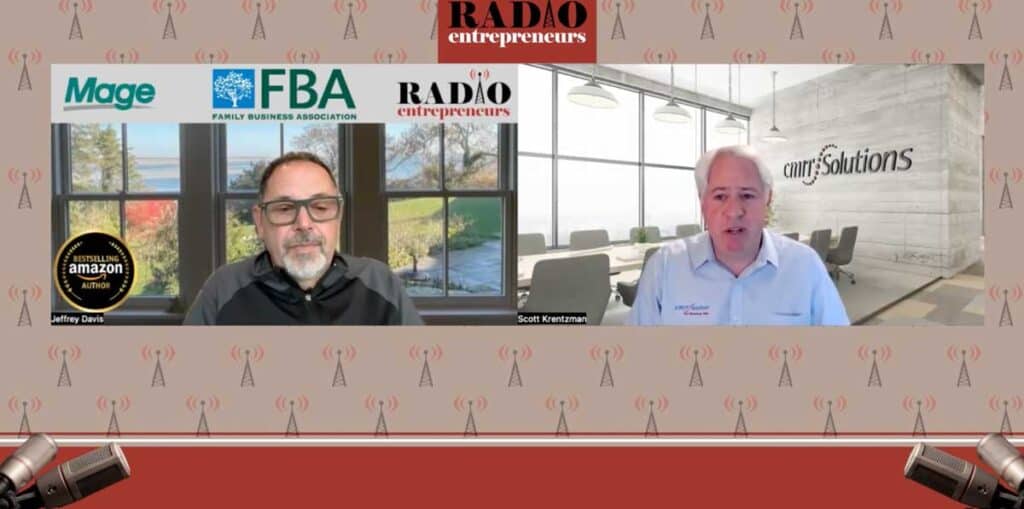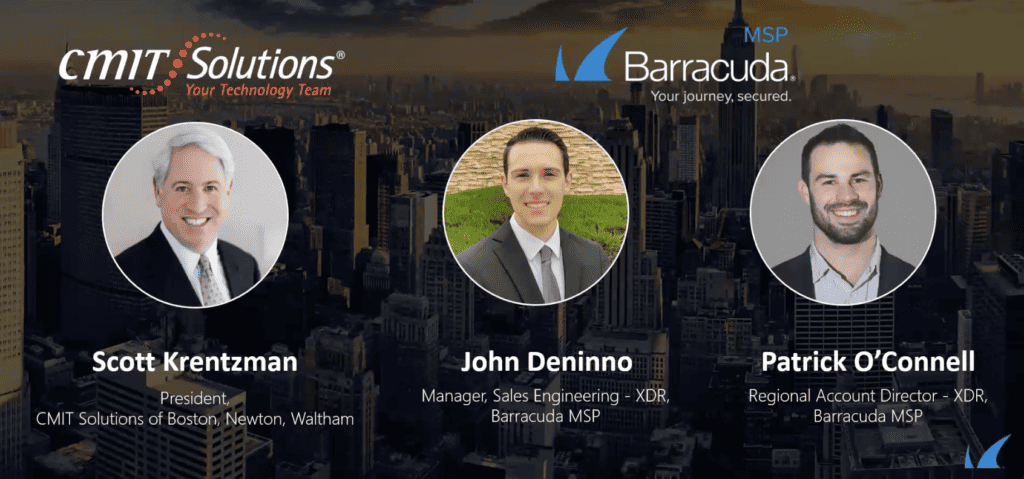
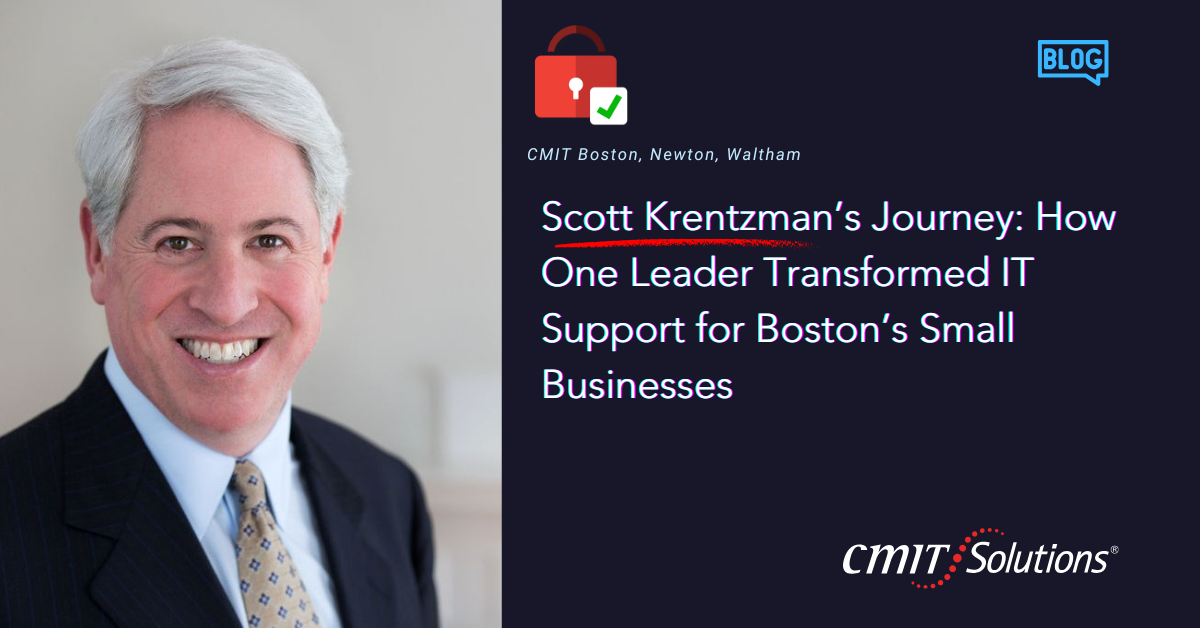
This article tells the story of Scott Krentzman’s approach to IT transformation combining personal, relationship-driven service with enterprise-grade solutions to help Boston’s small businesses achieve resilience, stability, and long-term peace of mind.
Technology has become inseparable from how Boston’s small businesses operate. From client communication and compliance to data security and long-term planning, IT systems now sit at the heart of daily operations. Yet for many organizations, technology has historically been a source of stress rather than confidence.
Scott Krentzman recognized this disconnect early in his career. Through years of hands-on experience working alongside local businesses, he saw how reactive, impersonal IT models were holding companies back. His journey reflects a deliberate shift from fixing problems after the fact to building technology environments that proactively support growth, security, and peace of mind.
Seeing the Gaps in Traditional IT Support
Many small businesses once relied on break-fix support or large, remote providers that treated IT as a commodity. Issues were addressed only after they caused disruption, often without long-term planning or accountability.
Scott observed that these models created recurring challenges:
- Downtime that interrupted operations
- Unclear responsibility when issues escalated
- Little alignment between IT decisions and business goals
These experiences highlighted the need for a new approach—one rooted in local accountability and strategic IT guidance rather than transactional support. For many SMBs, the turning point is recognizing the hidden cost of delayed action and moving away from the risks described in diy IT.
A Shift Toward Proactive IT Transformation
Scott’s journey took shape around a core belief: technology should quietly enable success, not constantly demand attention. That belief led to a focus on IT transformation, where systems are designed to prevent problems instead of reacting to them.
By introducing proactive planning and continuous monitoring, businesses could finally move beyond firefighting. This mindset aligns closely with the shift described in proactive model, where long-term stability replaces short-term fixes.
Key outcomes of this shift include:
- Fewer disruptions
- Predictable performance
- Better alignment with business objectives
In practice, proactive strategies become even stronger when paired with continuous visibility like IT monitoring.

Combining Personal Service With Enterprise Capability
One of the defining elements of Scott’s approach is balance. Local businesses want personal relationships, but they also need access to advanced tools and security practices typically reserved for large enterprises.
By pairing relationship-driven service with enterprise-grade platforms, Scott helped businesses achieve the best of both worlds. This is where modern operations benefit from upgrades in collaboration and workflow structure, especially during platform transitions like Teams transition.
This balance delivers:
- Personal accountability
- Scalable infrastructure
- Reduced operational risk
Building Resilience Through Proactive Planning
Resilience doesn’t come from reacting faster—it comes from planning better. Scott worked with businesses to replace uncertainty with structure by implementing proactive strategies that reduce downtime and data loss.
This approach often includes strengthening remote productivity and continuity, especially for teams that need stable systems from anywhere. Many organizations adopt best practices similar to remote support.
Resilient IT environments offer:
- Improved uptime
- Faster recovery
- Long-term confidence
Security as a Foundation, Not an Afterthought
Cybersecurity has become one of the most pressing concerns for small businesses. Scott’s journey reinforced that effective security must be integrated into everyday operations, not bolted on after an incident.
For many Boston SMBs, security begins with practical awareness and ends with strong systems. That includes preventing common attacks addressed in phishing scams and reducing exposure to high-risk inbox targeting discussed in email targeting.
Security improvements included:
- Reduced attack surfaces
- Better employee awareness
- Stronger risk management
For industries with elevated risk profiles, teams often align to guidance like CISO support, ensuring policies stay practical and enforceable.
Protecting Business Continuity and Data
For small businesses, downtime is personal. Missed deadlines, lost data, and operational interruptions directly impact revenue and reputation.
Scott emphasized continuity planning that reflects real-world operations. That often includes business-ready recovery planning and stronger safeguards similar to business continuity and operational protection like smart safeguards.
Effective continuity planning provides:
- Faster recovery times
- Reduced financial impact
- Greater peace of mind

Helping Leaders Make Smarter Technology Decisions
Technology investments should support growth not drain resources. Scott guided businesses through evaluating tools, avoiding overspending, and prioritizing investments that deliver measurable value.
Many SMBs improve their decision-making by reassessing cost and value through frameworks like tech ROI and planning predictable investments like IT budget.
Businesses benefited from:
- Smarter purchasing decisions
- Reduced waste
- Clearer technology roadmaps
Supporting Growth Without Losing Control
As businesses scale, technology complexity increases. Scott helped organizations prepare for growth without sacrificing stability by introducing structured planning and lifecycle management.
This often includes planning upgrades before failure and avoiding business disruption. Many SMBs follow strategies like Windows planning and making informed decisions about modernization like Windows upgrade.
This approach supports:
- Predictable upgrades
- Controlled costs
- Sustainable expansion
Strengthening Trust Through Local Relationships
At the core of Scott’s journey is trust. Local businesses want partners who understand their challenges and are invested in their success.
Through long-term support, transparent planning, and consistent delivery, businesses often see why relationship-first support remains the best model especially compared to impersonal large providers. This idea connects strongly with the perspective in local partnerships and reinforces why trust-driven IT remains a competitive advantage.
Trust-driven partnerships deliver:
- Faster decision-making
- Clear communication
- Long-term alignment
Real Impact Across Boston’s Business Community
The impact of Scott’s approach can be seen across professional services, healthcare, construction, education, retail, and manufacturing. Businesses benefit most when IT solutions are tailored to their industry realities.
Examples of this practical alignment include:
- Education environments supported through education IT
- Operational protection in manufacturing through manufacturing security
- Higher productivity in professional services with law productivity
- Streamlined operations in healthcare with healthcare operations
- Smarter purchasing and lifecycle planning via retail procurement
- Stronger mission delivery and cloud adoption using nonprofit cloud
For many business owners, these aren’t abstract improvements, they’re daily operational wins. And for organizations that have faced significant threats, the lessons captured in cybersecurity wins reinforce why proactive security matters.
Delivering Peace of Mind Through Technology
Ultimately, Scott’s journey is about peace of mind. When technology is stable, secure, and strategically aligned, business owners can focus on growth rather than risk.
That confidence becomes real when onboarding is structured, expectations are clear, and the business knows what the next steps look like. Many SMBs find it helpful to understand what a strong start looks like through first 90 days.
Peace of mind comes from:
- Reliable systems
- Transparent guidance
- Trusted partnerships
Conclusion: A Journey Built on Trust and Results
Scott Krentzman’s journey reflects a broader shift in how small businesses view IT. By combining personal service with enterprise-grade solutions, he helped Boston’s SMBs move from reactive support to resilient, future-ready environments.
This transformation proves that the right IT approach doesn’t just fix problems it builds confidence, protects operations, and supports sustainable growth. For businesses seeking stability and peace of mind, Scott’s story demonstrates that technology works best when guided by trust, strategy, and local expertise—especially when supported by disciplined operations like managed efficiency and a forward-looking view of the workplace like future work.