Introduction: The Rise of Multi-Cloud Environments
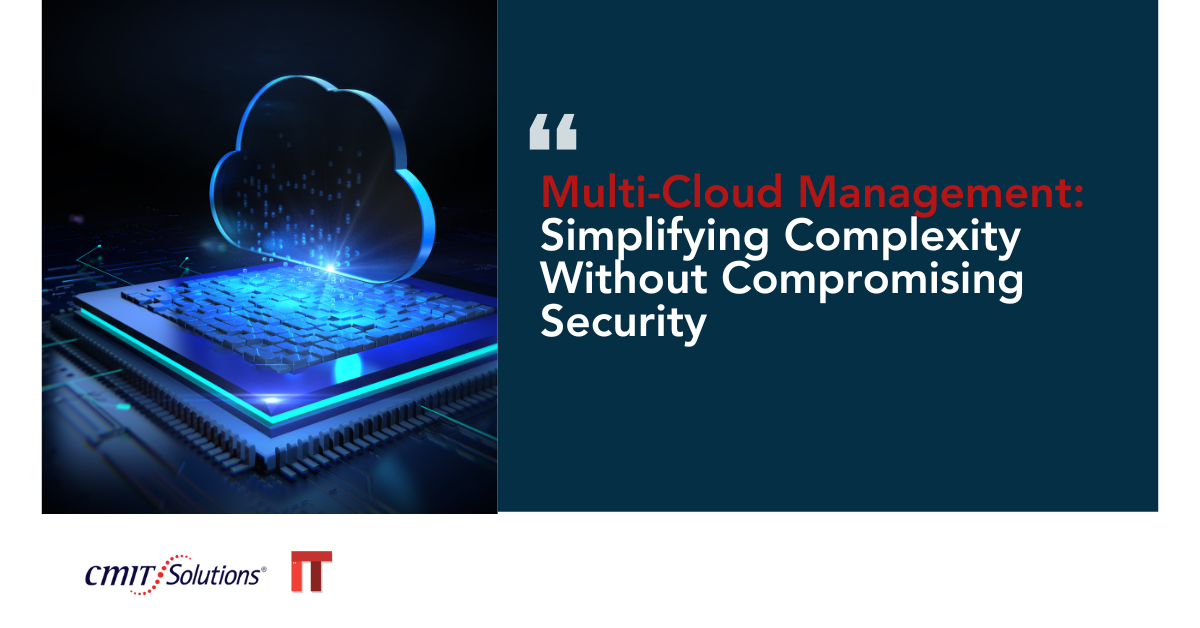
The business world has evolved far beyond single-provider cloud solutions. Today, organizations rely on a multi-cloud environment, blending services from providers like AWS, Microsoft Azure, and Google Cloud to achieve flexibility, cost control, and resilience.
However, this shift introduces a new challenge managing complexity without weakening security. Multi-cloud management ensures smooth integration, streamlined operations, and robust defense against cyber threats.
As CMIT explains in cloud security, businesses in Long Beach are adopting hybrid and multi-cloud setups to balance agility and control. But to truly benefit, strong governance and security measures are essential.
What Is Multi-Cloud Management?
Multi-cloud management is the centralized administration of workloads, data, and applications across multiple cloud platforms. It helps businesses maintain visibility, optimize resources, and enforce consistent security policies across environments.
Core objectives include:
- Streamlining application deployment and updates
- Managing costs and avoiding vendor lock-in
- Enhancing scalability and redundancy
- Strengthening compliance and access controls
With the right tools and strategy, businesses can transform cloud complexity into a competitive advantage especially when paired with the network management solutions CMIT provides.

Why Businesses Choose Multi-Cloud Strategies
No single cloud provider can meet every business need. Companies adopt multi-cloud strategies for flexibility, innovation, and risk mitigation.
Key benefits include:
- Redundancy: If one provider fails, others ensure continuity.
- Performance: Workloads can be distributed for optimal speed and location.
- Cost efficiency: Businesses can choose the most affordable services per use case.
- Innovation: Access to diverse AI, analytics, and automation tools.
CMIT’s driving growth insights highlight that adopting smart technologies like multi-cloud directly impacts productivity and innovation.
The Hidden Complexity Behind Multi-Cloud Environments
While multi-cloud strategies offer agility, they also create administrative and security challenges. Managing multiple vendors, APIs, and compliance requirements can quickly overwhelm internal teams.
Common challenges include:
- Visibility gaps across cloud systems
- Fragmented identity and access management
- Inconsistent security policies
- Escalating cloud costs without proper governance
CMIT addresses these issues through proactive help desk support and automated monitoring, ensuring that your IT environment remains manageable, secure, and predictable.
Securing Multi-Cloud Infrastructure
Security remains the top concern in multi-cloud management. Every cloud platform has its own architecture and protocols, making unified protection critical.
Multi-cloud security best practices include:
- Implementing a Zero Trust architecture
- Encrypting data in transit and at rest
- Centralizing access control and identity management
- Monitoring all environments through a unified dashboard
CMIT Solutions of Long Beach helps protect client environments with layered defense strategies. The firm’s AI security solutions use machine learning to detect anomalies and stop attacks before they spread.
The Role of Automation in Multi-Cloud Management
Automation is essential for handling the scale and speed of multi-cloud operations. Automated systems manage provisioning, scaling, and threat detection more efficiently than manual processes.
Automation improves multi-cloud management through:
- Auto-scaling resources based on demand
- Automated security updates and compliance checks
- Intelligent analytics for cost and performance optimization
- Self-healing workflows that correct system errors
As CMIT highlights in intelligent automation, automation bridges the gap between human decision-making and machine precision improving reliability without sacrificing oversight.
Compliance Across Multiple Clouds
Maintaining compliance becomes more complex when data and operations span several cloud environments. Businesses must meet standards like HIPAA, GDPR, and SOC 2 while managing data residency and privacy across platforms.
Compliance automation tools help by:
- Monitoring access control violations
- Generating real-time audit reports
- Applying consistent policy enforcement across vendors
- Tracking data movement for accountability
CMIT’s expertise in compliance audits ensures Long Beach organizations remain audit-ready, even in multi-cloud setups.
Reducing Risk Through Proactive Monitoring
Multi-cloud success depends on visibility. Without unified monitoring, vulnerabilities can go unnoticed until it’s too late.
Proactive monitoring provides:
- Continuous performance tracking
- Unified incident alerts
- Predictive failure detection
- Faster threat response times
CMIT’s AI-driven threats research shows how automation and analytics protect hybrid and multi-cloud systems from complex attacks by detecting subtle anomalies early.
Multi-Cloud Cost Optimization
Uncontrolled spending is one of the biggest risks in multi-cloud adoption. Without centralized billing visibility, companies can face overlapping charges and underused services.
Best practices for cost control:
- Implementing cloud budgeting policies
- Tracking real-time resource usage
- Decommissioning idle or duplicate assets
- Using AI-driven analytics for forecasting
As CMIT’s business data analytics explains, data insights empower organizations to make smarter financial decisions across their IT landscape.
Integrating Cyber Resilience Into Multi-Cloud Strategy
Multi-cloud management isn’t just about efficiency, it’s about resilience. Businesses must prepare for outages, cyberattacks, or compliance changes that could affect operations.
Cyber resilience steps include:
- Automated data backups and redundancy
- Disaster recovery testing
- Centralized incident response plans
- Cross-cloud failover mechanisms
CMIT’s ransomware resilience approach ensures that businesses can recover quickly from attacks and continue operations with minimal downtime.

The Future of Multi-Cloud Management
Emerging technologies like edge computing, AI orchestration, and Zero Trust frameworks are shaping the next era of multi-cloud management. Future-ready organizations will rely on intelligent automation and unified platforms to handle evolving demands.
Upcoming trends include:
- AI-driven policy enforcement
- Real-time compliance validation
- Cross-cloud identity federation
- Integrated data fabric architectures
These developments echo CMIT’s view that transforming IT support automation and integration are key to maintaining security, efficiency, and adaptability in a rapidly changing world.
Conclusion: Simplify, Secure, and Scale
Multi-cloud management is no longer optional; it’s strategic. The right approach simplifies complexity, cuts costs, and enhances protection without sacrificing control.
Partnering with CMIT Solutions of Long Beach ensures your business gains expert guidance, automated defense, and proactive monitoring across every cloud platform. With the power of multi-cloud automation, you can operate confidently faster, safer, and smarter than ever before.