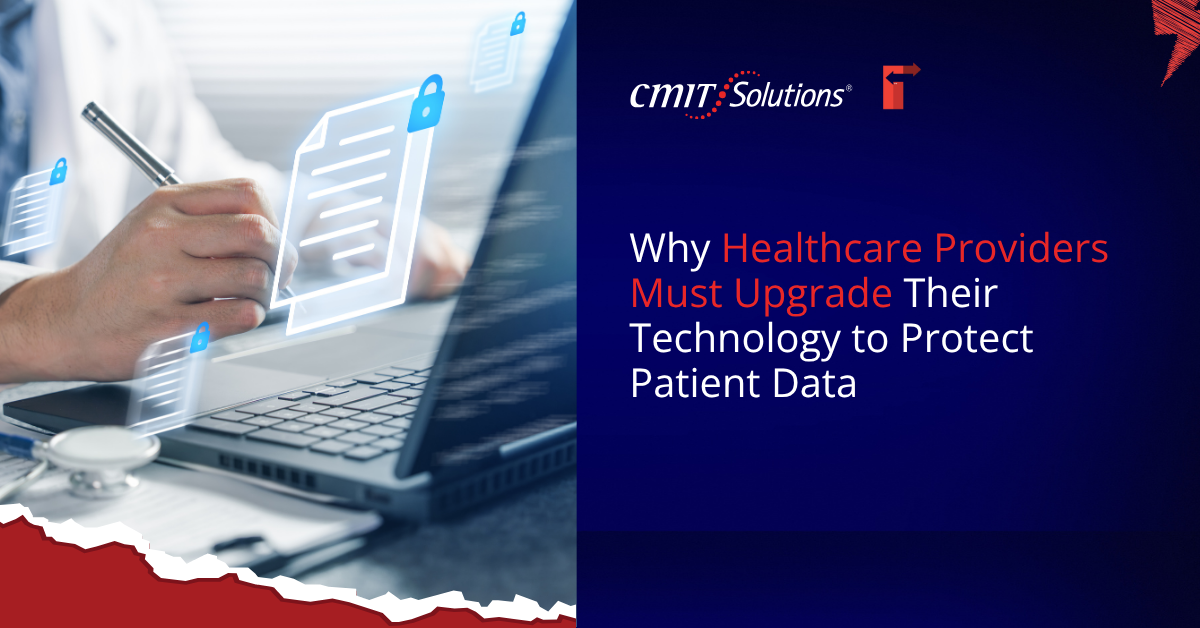
Healthcare organizations manage some of the most sensitive data in any industry. Patient records include personal information, medical histories, insurance details, and financial data. Protecting this information is critical not only for maintaining patient trust but also for complying with strict healthcare regulations.
As healthcare systems become more digital—using electronic health records, telehealth platforms, connected medical devices, and cloud-based systems—the risk of cyber threats and data breaches continues to grow. Many healthcare providers still rely on outdated technology that was not designed to handle modern cybersecurity risks.
Upgrading healthcare technology is essential for protecting patient data, improving operational efficiency, and ensuring compliance with evolving security standards. Below are key reasons healthcare providers must modernize their IT systems to safeguard patient information.
Increasing Cybersecurity Threats in Healthcare
Healthcare has become one of the most targeted industries for cyberattacks. Medical data is highly valuable because it contains detailed personal and financial information that can be exploited for identity theft or fraud.
Cybercriminals often target healthcare systems through:
- Ransomware attacks that lock patient records
- Phishing emails aimed at healthcare staff
- Malware that infiltrates hospital networks
- Unauthorized access to electronic health records
Outdated systems are particularly vulnerable because they may lack modern security protections. Healthcare organizations that strengthen their business cybersecurity strategies can detect threats earlier and prevent breaches before sensitive data is compromised. Many providers are also addressing healthcare cyber compliance.
Modern security tools provide advanced monitoring, threat detection, and automated protection against evolving cyber threats.
Protecting Electronic Health Records
Electronic Health Records (EHR) have transformed the way healthcare providers manage patient information. Instead of paper files, medical records are now stored digitally, making it easier for healthcare professionals to access and share patient data.
However, digital records must be protected from unauthorized access.
Healthcare organizations must ensure that EHR systems include:
- Strong user authentication
- Role-based access controls
- Secure data encryption
- Continuous monitoring of system activity
Implementing strong cyber security services helps healthcare providers safeguard digital records while allowing authorized staff to access information quickly and securely. Many organizations are improving this with patient data security.
Protecting EHR systems is essential for maintaining patient privacy and ensuring accurate medical care.
Preventing Data Breaches and Financial Loss
Data breaches in healthcare can have serious consequences. When patient data is exposed, organizations may face financial penalties, legal action, and significant damage to their reputation.
Healthcare breaches can lead to:
- Identity theft involving patient information
- Insurance fraud
- Loss of patient trust
- Costly regulatory penalties
Healthcare providers that implement proactive security monitoring systems can identify suspicious activity early and stop potential breaches before they cause widespread damage. Many are also using breach prevention tools to strengthen protection.
Early threat detection is one of the most effective ways to reduce the financial and operational impact of cyber incidents.
Ensuring Compliance with Healthcare Regulations
Healthcare providers must comply with strict data protection regulations designed to safeguard patient information. Regulations require organizations to implement strong security controls and maintain detailed records of how data is stored and accessed.
Compliance requirements often include:
- Protecting patient data with encryption
- Limiting access to authorized personnel
- Monitoring systems for security threats
- Reporting data breaches promptly
Upgrading technology helps healthcare providers meet these compliance requirements more effectively.
Organizations that rely on experts offering IT consulting services can ensure their technology systems align with healthcare regulations and industry standards. Many providers are focusing on managed compliance strategies.
Compliance not only protects patients but also shields healthcare organizations from legal and financial risks.

Securing Connected Medical Devices
Modern healthcare facilities use a wide range of connected devices such as patient monitoring systems, imaging equipment, infusion pumps, and wearable health devices.
These devices are often connected to hospital networks and electronic record systems. If they are not properly secured, they can become entry points for cyberattacks.
Healthcare organizations must ensure that connected devices are:
- Regularly updated with security patches
- Monitored for unusual activity
- Isolated from critical systems when necessary
- Protected with strong network security controls
Implementing reliable network management solutions helps healthcare providers monitor device activity and protect networks from unauthorized access. Many organizations strengthen this with secure network monitoring.
Securing connected devices is essential for maintaining safe and reliable healthcare environments.
Improving Data Backup and Recovery Systems
Healthcare providers cannot afford to lose access to patient data. In emergency situations, doctors and nurses must be able to retrieve patient records instantly.
Data loss caused by cyberattacks, hardware failures, or system errors can disrupt medical services and delay patient care.
Healthcare organizations that implement data backup solutions ensure that patient information is stored securely and can be restored quickly if systems fail.
Reliable backup systems provide:
- Automatic backups of medical records
- Secure offsite storage of sensitive data
- Rapid recovery during system failures
- Protection against ransomware attacks
Strong backup strategies help healthcare facilities maintain continuous operations even during unexpected disruptions. Many providers now rely on secure cloud backups.
Supporting Telehealth and Digital Healthcare Services
Telehealth services have expanded significantly in recent years, allowing patients to consult with healthcare providers remotely. Digital healthcare platforms now support video consultations, electronic prescriptions, and online appointment scheduling.
These services require secure technology systems to protect patient data during online interactions.
Healthcare providers that adopt cloud infrastructure solutions can deliver telehealth services through secure, scalable platforms that protect patient privacy. Many organizations are also building digital healthcare systems.
Cloud systems also allow healthcare professionals to access medical records securely from multiple locations, improving care coordination.
Modern infrastructure ensures that digital healthcare services remain secure and reliable.
Strengthening Access Control for Healthcare Staff
Healthcare organizations often have large teams of doctors, nurses, administrative staff, and external partners who need access to patient information.
Without proper access control policies, sensitive data may be exposed to individuals who do not need it for their role.
Effective access control systems should include:
- Role-based access permissions
- Multi-factor authentication for system login
- Regular review of user access privileges
- Monitoring of system activity logs
Organizations that implement reliable IT support services can ensure access controls are configured correctly and monitored regularly. Many providers are improving access protections through identity management controls.
Limiting access to authorized users reduces the risk of accidental data exposure and internal security threats.
Enabling Secure Remote Access for Healthcare Professionals
Healthcare professionals often need to access patient records outside the hospital environment, especially when supporting remote clinics, telehealth services, or emergency situations.
Secure remote access systems allow healthcare staff to retrieve patient information while maintaining strong security protections.
Organizations that adopt business cloud solutions can enable secure remote access to medical systems without exposing sensitive data to external risks. Many healthcare teams are also using remote access security.
These platforms allow healthcare providers to:
- Access patient records securely from remote locations
- Collaborate across multiple healthcare facilities
- Maintain encrypted communication between systems
- Support mobile healthcare applications
Secure remote access ensures healthcare professionals can deliver quality care while protecting patient privacy.

Building a Future-Ready Healthcare IT Strategy
Healthcare technology continues to evolve as new digital tools, medical devices, and data platforms emerge. Organizations that invest in modern infrastructure today will be better prepared to adopt future innovations.
Healthcare providers that implement a modern IT strategy can integrate advanced technologies such as artificial intelligence, predictive analytics, and automated monitoring systems while maintaining strong security protections. Many organizations start with a future ready roadmap and healthcare access controls.
A forward-thinking IT strategy allows healthcare organizations to:
- Improve patient care through advanced digital tools
- Strengthen data protection and cybersecurity
- Support new healthcare technologies
- Adapt quickly to changing industry regulations
Modernizing healthcare IT infrastructure is essential for building resilient, secure, and patient-focused healthcare systems.
Conclusion
Protecting patient data has become one of the most important responsibilities for healthcare providers. As medical systems become increasingly digital, organizations must ensure their technology infrastructure is capable of defending against modern cybersecurity threats.
Outdated systems, weak access controls, and insufficient monitoring can expose sensitive patient information to serious risks. Upgrading healthcare technology helps organizations strengthen data protection, maintain regulatory compliance, and ensure reliable access to medical records.
By implementing secure infrastructure, reliable data backup systems, and proactive cybersecurity strategies, healthcare providers can protect patient privacy while delivering high-quality medical services.
Partnering with CMIT Solutions Long Beach helps healthcare organizations modernize their technology systems with advanced cybersecurity solutions, secure cloud platforms, and proactive IT management designed to protect patient data.
If your healthcare organization is ready to strengthen its technology infrastructure and safeguard patient information, contact CMIT Solutions of Long Beach today to learn how modern IT solutions can support secure and efficient healthcare operations.