
Third-Party Risk Is the Growing Cybersecurity Threat Most SMBs Aren’t Watching
For years, cybersecurity conversations have focused on protecting what happens inside an organization. Firewalls, endpoint protection, backups, and employee training remain essential. However, today’s SMBs depend on a growing network of vendors, cloud providers, consultants, software platforms, and AI tools that often have access to sensitive data and critical business systems. The uncomfortable reality is that your company can be doing everything right and still suffer a breach because a trusted partner failed to do the same.

Why Third-Party Risk Is Growing
Most SMBs now rely on payroll platforms, accounting firms, marketing agencies, cloud applications, Microsoft 365 integrations, CRM systems, and industry-specific SaaS solutions. Every new connection creates another pathway to business data. As organizations become more interconnected, attackers increasingly target vendors because compromising one provider can grant access to hundreds or even thousands of customers.

When Vendor Risk Becomes Business Risk
Cybercriminals understand that trusted relationships create opportunities. Rather than attacking organizations individually, attackers often target suppliers, software companies, and technology providers. The result is a supply-chain-style attack in which one compromise spreads risk across an entire customer ecosystem.
Real World Examples:
1. The MOVEit Supply Chain Attack
The MOVEit file transfer attacks demonstrated how vulnerabilities in a widely used platform can impact organizations across multiple industries. Many affected organizations were not directly responsible for the vulnerable software, yet their employee, customer, or operational data was still exposed because a vendor relied on the compromised platform. The lesson is simple: vendor risk is business risk.
2. MGM Resorts and Identity-Based Risk
The MGM Resorts attack highlighted how attackers can exploit identity processes, not just technical vulnerabilities. By abusing identity and access workflows, attackers disrupted reservations, payment systems, hotel operations, and customer services. The incident reminds us that privileged access held by vendors and third parties should be reviewed regularly.
3. The Snowflake Customer Data Incidents
Several organizations experienced data exposure incidents associated with compromised cloud environments hosted on Snowflake. These incidents reinforced an important lesson for SMBs: understanding where your data resides, who can access it, and how access is controlled is just as important as securing your own network.
Five Questions Every SMB Should Ask Vendors
- Do you have a current SOC 2 report?
- Is multi-factor authentication required for employees?
- How is customer data encrypted?
- What is your incident response process?
- How often are security assessments and penetration tests performed?
These questions provide a practical starting point for evaluating whether a vendor takes cybersecurity seriously.
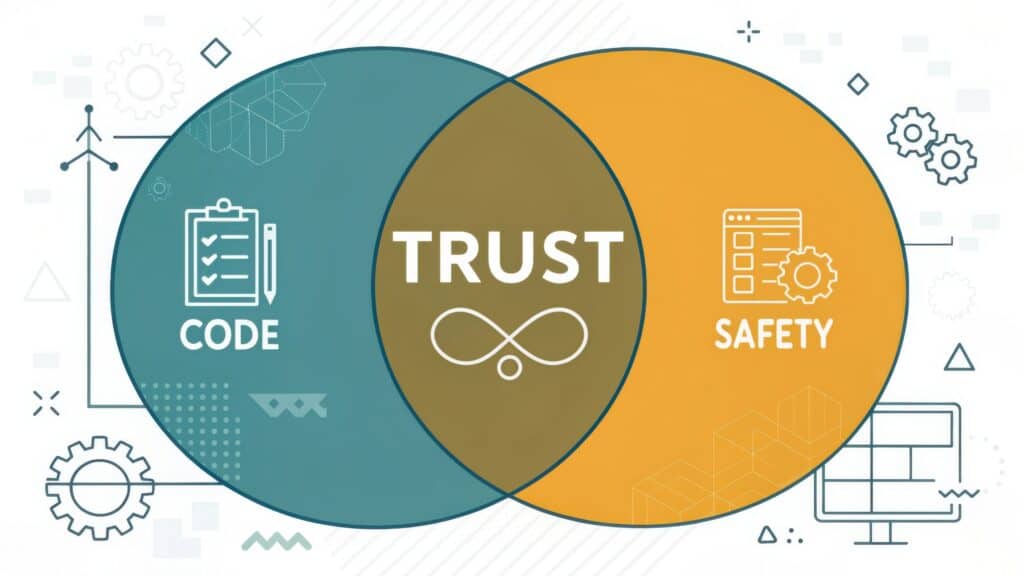
SOC 2 Explained in Plain English
A SOC 2 report is an independent review of an organization’s controls related to security, availability, confidentiality, processing integrity, and privacy. It does not guarantee a company will never experience a security incident, but it demonstrates that the organization has invested in formal controls and external validation.

The Hidden Risk in Microsoft 365 Integrations
Many businesses are surprised to discover how many third-party applications have access to Outlook, Teams, SharePoint, OneDrive, and Microsoft identity services. Employees often grant application permissions without understanding the scope of access being provided. Regular reviews of OAuth permissions, app registrations, administrative privileges, and connected applications are essential.
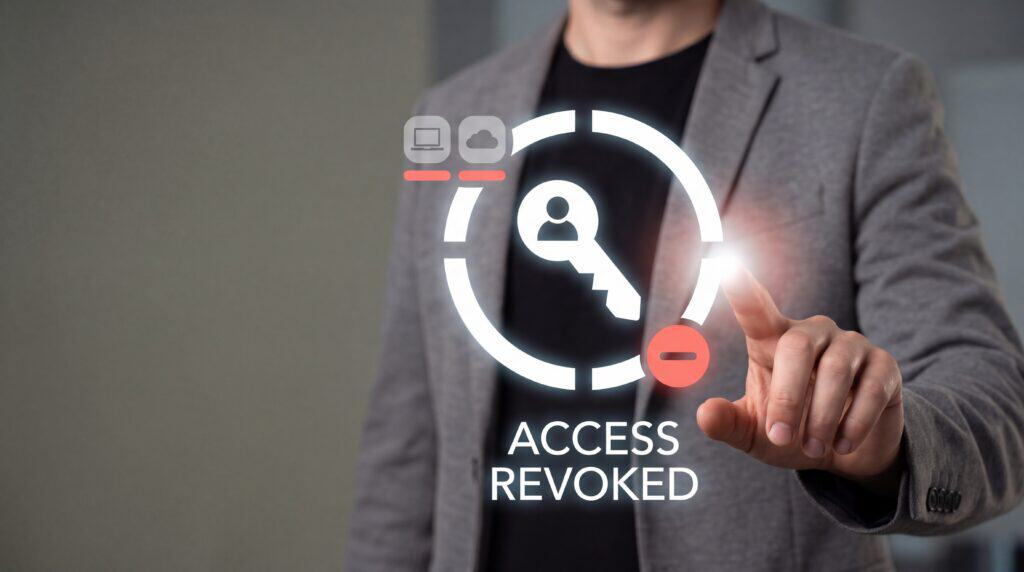
Vendor Offboarding: The Forgotten Security Control
Organizations often have a formal process for onboarding vendors, but very few maintain a disciplined offboarding process. When a relationship ends, disable accounts, remove permissions, rotate credentials, revoke integrations, and document completion. Former vendors retaining unnecessary access creates avoidable risk.

Practical Vendor Risk Management for SMBs
Effective vendor risk management does not require an enterprise-sized budget. Start by identifying which vendors access sensitive data, manage critical systems, or maintain administrative privileges. Prioritize reviews based on business impact. Payroll providers, accounting firms, legal partners, cloud providers, and technology vendors should generally receive the highest level of scrutiny.
Cybersecurity is no longer limited to protecting your own network. Every business relationship introduces both value and risk. Trust remains important, but verification is essential. Organizations that understand and manage third-party risk are better positioned to protect operations, customer trust, and long-term business growth.
What Can You Do?
Schedule a Vendor Risk Assessment with CMIT Solutions. Our team can evaluate third-party access, assess Microsoft 365 integrations, review vendor security controls, and identify hidden risks before they become costly incidents. Understanding who has access to your systems today can help prevent tomorrow’s breach. Contact Us!