Ransomware has always been one of the most destructive forms of cybercrime. But over the past few years, it has evolved into something far more dangerous: double extortion.
This new wave of attacks doesn’t just encrypt your data; it also steals it. Even if you have backups, even if you restore your systems, cybercriminals threaten to leak sensitive information publicly unless you pay again. For modern businesses, understanding and preparing for double extortion ransomware is no longer optional; it’s essential to survival.
From Encryption to Exposure: How Ransomware Has Evolved
Early ransomware attacks were simple: encrypt a company’s files, demand a ransom for the decryption key, and move on. But as businesses improved their data backup and recovery capabilities, attackers adapted.
Now, ransomware operators exfiltrate sensitive data before encryption. If a victim refuses to pay, the stolen information, often containing customer records, financial data, or intellectual property, is leaked or sold on the dark web.
Key evolution points:
- Single extortion (pre-2019): Encryption-only attacks.
- Double extortion (2019–2023): Encryption + data theft + exposure threat.
- Triple extortion (emerging trend): Adding DDoS attacks or targeting clients directly.
The new face of ransomware is about leverage, not just encryption.
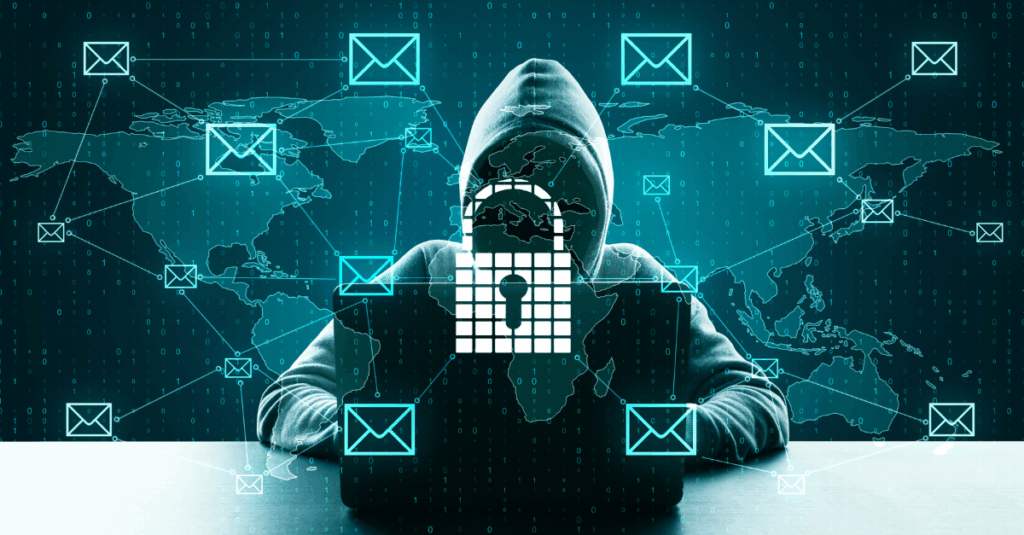
How Double Extortion Works
Modern ransomware attacks are not random—they’re methodical and professionalized. Attackers often gain access months before striking.
Typical attack stages:
- Initial infiltration – Through phishing, unpatched systems, or weak credentials.
- Privilege escalation – Using stolen passwords or zero-day exploits.
- Data exfiltration – Sensitive files are copied to external servers.
- Encryption – Systems are locked, paralyzing operations.
- Extortion – Attackers demand payment, threatening public leaks.
This process is often supported by “ransomware-as-a-service” (RaaS) networks – criminal organizations offering turnkey attack tools and profit-sharing schemes. To defend against such tactics, businesses are adopting multi-layered security models that detect, isolate, and respond before exfiltration occurs.
Why Traditional Defenses Fail
Most legacy defenses antivirus software, basic firewalls, and manual patching – were designed to stop malware at the perimeter. Unfortunately, ransomware gangs now operate like advanced persistent threats (APTs), blending stealth and automation.
Traditional defenses fall short because:
- They rely on signature-based detection only.
- They lack behavioral analysis for emerging threats.
- They can’t stop credential theft or insider compromise.
- They don’t monitor outbound data exfiltration.
Modern ransomware often evades detection for weeks or months, quietly moving laterally before deploying the final payload. That’s why modern defenses now require SIEM tools like Microsoft Sentinel capable of tracking patterns, detecting anomalies, and automating responses in real time.
The Data Leak Threat: Why Backups Aren’t Enough
For years, businesses were told: “Just keep good backups.” While backups are still vital, they’re no longer a guaranteed shield.
In double extortion cases, attackers weaponize your own data against you threatening exposure to regulators, competitors, or the public.
Common data leak targets:
- Financial reports and payroll data.
- Customer or patient information.
- Intellectual property and source code.
- Internal communications or legal documents.
Even if you refuse to pay and restore from backup, leaked data can still cause irreversible brand damage and compliance violations. That’s why compliance management frameworks must now include exfiltration monitoring and leak prevention policies.
Industries Most at Risk
While every sector faces risk, some industries are prime targets because they handle sensitive or time-critical data.
High-risk sectors include:
- Healthcare: Ransomware threatens patient safety and HIPAA compliance.
- Finance: Attackers target high-value transactional data.
- Education: Often underfunded in IT, making defenses weak.
- Manufacturing: Operational disruption can cause millions in downtime losses.
- Legal and professional services: Sensitive client data makes them perfect extortion targets.
SMBs, once thought “too small to attack,” are now ideal victims of limited defenses, fast decision-making, and heavy dependency on uptime. Partnering with managed IT providers gives small businesses enterprise-grade protection scaled to their needs.
Inside the Ransom Economy
Ransomware has evolved into a billion-dollar underground economy, with organized groups operating like legitimate businesses.
Tactics driving profitability:
- Ransomware-as-a-Service (RaaS): Affiliates buy tools from developers and share profits.
- Data marketplaces: Stolen information is auctioned on dark web platforms.
- Crypto laundering: Payments are quickly anonymized and reinvested.
- Brand pressure: Public “leak sites” post countdowns to force payment.
This industrialization of cybercrime means ransomware is no longer a one-off event; it’s a supply chain of exploitation, requiring the kind of network management visibility modern IT solutions provide.
The Rise of Double and Triple Extortion
Double extortion has already become the norm, but triple extortion is gaining traction. In these attacks, cybercriminals don’t just threaten the victim, they target the victim’s clients, partners, and vendors.
For example:
- Attackers encrypt a law firm’s files.
- They steal sensitive client information.
- Then, they contact those clients directly to demand additional ransom.
This ripple effect can devastate supply chains and reputation simultaneously. To mitigate this, more companies are implementing Zero Trust principles where no user, device, or connection is trusted by default.
Prevention: Building a Resilient Cyber Defense
Fighting ransomware requires layers of proactive defense that combine technology, policy, and user awareness.
Essential prevention strategies:
- Endpoint protection: Use EDR/XDR tools to identify anomalies.
- Regular patching: Eliminate known vulnerabilities.
- Least privilege access: Restrict user permissions.
- Encrypted backups: Store off-site or in immutable cloud environments.
- Employee training: Combat phishing, the #1 attack vector.
- Incident response planning: Simulate breach scenarios to reduce response time.
These measures, when integrated through managed IT frameworks, give organizations both agility and resilience against evolving ransomware models.
The Legal and Compliance Fallout
Beyond the operational and financial toll, double extortion attacks carry severe regulatory and legal risks. Once sensitive information is leaked, businesses may face fines under privacy laws like GDPR, HIPAA, or CCPA.
Potential consequences include:
- Mandatory disclosure of breaches.
- Loss of cyber insurance coverage.
- Legal claims from affected parties.
- Long-term reputational damage.
Maintaining cybersecurity compliance is now a board-level priority, requiring coordination between IT, legal, and executive teams to ensure response plans align with regulatory mandates.
Response and Recovery: What to Do After an Attack
Even with strong defenses, no organization is completely immune. A well-executed response plan can determine whether your business recovers or collapses.
Key steps to take immediately:
- Isolate affected systems to stop lateral movement.
- Engage your managed security provider for forensic investigation.
- Notify authorities and affected parties as required by law.
- Avoid paying the ransom unless absolutely necessary (and after consulting experts).
- Conduct a post-incident review to strengthen future defenses.
Businesses that integrate automation and monitoring tools recover faster, minimize downtime, and gain better visibility into vulnerabilities exposed during the attack.
The Human Factor: Training and Awareness
Ransomware attacks often start with a simple mistake: a clicked link, a reused password, or an unverified email. Human error remains the weakest link in cybersecurity.
How to strengthen your workforce:
- Implement phishing simulations and awareness programs.
- Establish clear reporting channels for suspicious activity.
- Reinforce password hygiene and MFA adoption.
- Foster a culture of accountability, not blame.
Organizations that blend awareness with technology like those guided by reliable IT leadership create the human firewall needed to block social engineering at its source.

The Future of Ransomware Defense
Ransomware will continue to evolve but so will defense technologies. Expect to see AI-driven threat intelligence, automated detection, and cloud-integrated resilience lead the next phase of protection.
Emerging trends:
- Predictive analytics for attack forecasting.
- Zero Trust networks by default.
- Immutable storage solutions.
- Advanced data governance for privacy assurance.
- AI-enabled incident response orchestration.
Forward-looking IT partners like CMIT Solutions are already combining these technologies to deliver the future of business security where proactive protection replaces reactive defense.
Conclusion: Don’t Wait for the Leak
Double extortion ransomware has turned cyberattacks into digital hostage situations threatening not just your operations but your reputation, compliance, and trust.
The key to protection is layered resilience, a blend of prevention, detection, and rapid recovery. Backups are no longer enough. You need visibility, automation, and governance across your entire digital infrastructure. The threat is real but with the right strategy and a trusted IT partner, your defenses can evolve faster than the attackers.