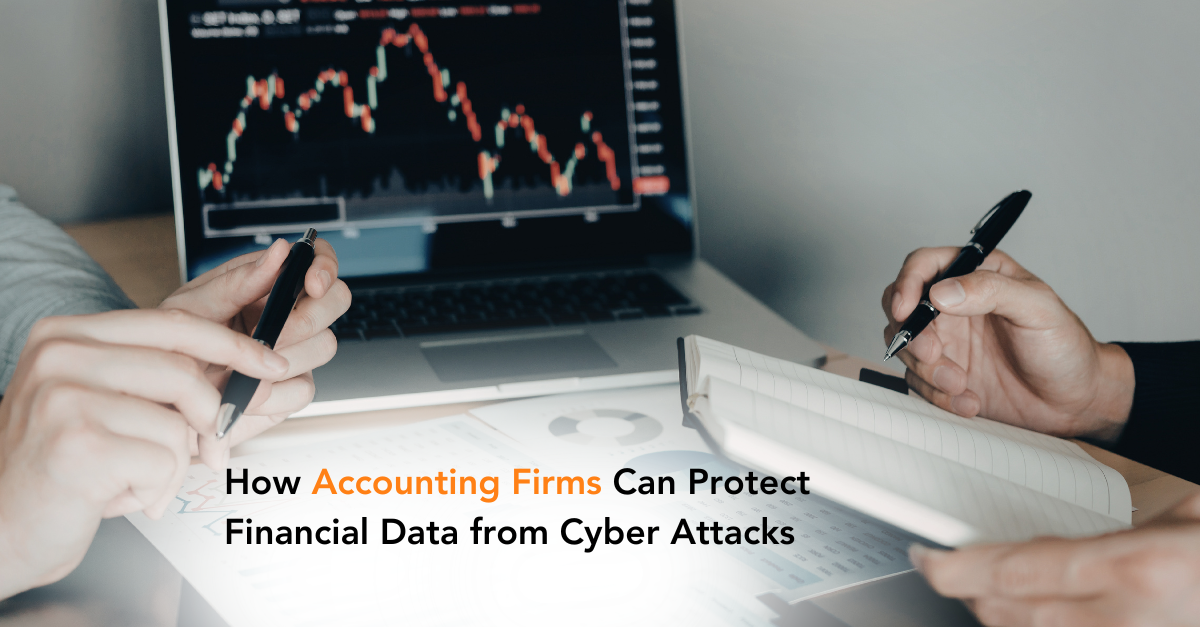
Walk into a typical accounting firm during tax season.
Advisors review financial records, accountants prepare filings, and teams work through spreadsheets, client documents, and accounting platforms. Sensitive financial information flows through email, cloud systems, and internal networks throughout the day.
Everything moves quickly.
But behind the scenes, accounting firms manage one of the most valuable types of data in the business world—financial information.
Bank details, tax records, payroll data, business revenue reports, and personal identification information all pass through accounting systems regularly. For cybercriminals, this type of information is highly attractive.
That’s why accounting firms are increasingly becoming targets for cyber attacks.
Protecting financial data is no longer just an IT responsibility. It has become a critical part of maintaining client trust, protecting firm reputation, and ensuring business continuity.
Why Accounting Firms Are Attractive Targets for Cybercriminals
Accounting firms hold large volumes of confidential information.
Client financial records
Tax identification numbers
Banking details
Payroll information
Business financial statements
Unlike many other industries, accounting firms often store data for multiple organizations at the same time. This makes them a high-value target for cybercriminals looking to access sensitive financial information.
In many cases, attackers do not need to break through complicated security systems. They simply look for small vulnerabilities that provide an entry point into the firm’s network.
Once inside, they may attempt to access financial data, deploy ransomware, or impersonate trusted contacts to request payments or sensitive documents. That is one reason more firms are paying attention to financial data risks and strengthening their defenses earlier.
Where Cyber Risks Often Appear in Accounting Firms
Cybersecurity issues rarely begin with a dramatic breach.
More often, they start with small everyday moments within normal workflows.
An employee receives an email that appears to be from a client requesting updated payment information.
A team member accesses financial files through an unsecured network while working remotely.
Software updates are delayed, leaving systems vulnerable to known threats.
Access permissions allow more users to view sensitive files than necessary.
Each of these situations may appear harmless at first. But together they can create opportunities for attackers to gain access to financial data.
Accounting firms must focus on identifying these small risks before they turn into larger security incidents. Recognizing early breach signs can make a major difference.
Strengthening Access Controls for Financial Systems
One of the most effective ways accounting firms can protect financial data is by controlling who has access to sensitive information.
Not every employee needs access to every financial record.
Strong access controls help firms ensure that users can only access the data required for their role. This reduces the risk of accidental exposure or unauthorized access.
Many firms are also implementing multi-factor authentication, which requires users to verify their identity using more than just a password.
By adding this extra layer of protection, firms make it significantly more difficult for attackers to gain access to financial systems. Many organizations are also exploring digital identity strategies and stronger MFA protection for this reason.
Protecting Email Communication
Email remains one of the most common entry points for cyber attacks.
Phishing emails often attempt to trick employees into clicking malicious links or providing login credentials. In accounting firms, attackers may impersonate clients, vendors, or internal staff members.
Because financial communication often occurs through email, these attacks can be particularly convincing.
Accounting firms can reduce this risk by implementing advanced email security tools and encouraging employees to verify unusual requests before responding.
Simple habits, such as double-checking payment instructions or confirming requests through another communication channel, can prevent many potential incidents. Building better security habits and a stronger security culture helps reduce this risk even more.

Keeping Software and Systems Updated
Accounting firms rely on a variety of software platforms to manage financial data and client records.
These systems must remain updated to protect against known vulnerabilities.
Cyber attackers frequently look for outdated software because it may contain security weaknesses that have already been identified and patched by developers.
Regular updates and patch management ensure that systems remain protected against newly discovered threats.
Maintaining updated systems is one of the simplest yet most important steps firms can take to strengthen cybersecurity. Many businesses are pairing updates with next-gen antivirus and modern Windows 11 security improvements.
Securing Remote Work Environments
Many accounting professionals now work remotely at least part of the time.
While remote access increases flexibility and productivity, it can also introduce security challenges.
Employees may connect from home networks, public Wi-Fi, or personal devices that lack proper security protections.
Accounting firms must ensure that remote access to financial systems is secured through encrypted connections, secure authentication methods, and clear security policies.
Providing employees with secure access tools helps maintain productivity without exposing sensitive data to unnecessary risks. This is especially important for firms managing an anywhere office and depending on stable remote connectivity.
Implementing Reliable Data Backup Strategies
Even with strong cybersecurity protections, no system is completely immune to risk.
That’s why reliable data backup strategies are essential for accounting firms.
If financial systems become compromised or unavailable due to cyber incidents, having secure backups allows firms to restore critical information and continue operations.
Backups should be stored securely and tested regularly to ensure they can be restored quickly when needed.
A well-designed backup strategy provides an important safety net for protecting financial records. Stronger data backup planning and business continuity are essential here.
Building Cybersecurity Awareness Within the Firm
Technology alone cannot protect financial data.
Employees play a critical role in maintaining cybersecurity.
Accounting teams interact with financial systems and client data every day, which means they are often the first to encounter suspicious activity.
Providing employees with cybersecurity awareness training helps them recognize potential threats and respond appropriately.
Training may include guidance on identifying phishing emails, handling sensitive documents securely, and reporting unusual system behavior.
When everyone within the organization understands their role in cybersecurity, the firm becomes much more resilient. Many firms are also creating a more cyber-aware workplace and taking steps during cybersecurity month to reinforce awareness.

Monitoring Systems for Suspicious Activity
Cybersecurity strategies are most effective when systems are monitored continuously.
Monitoring tools allow firms to detect unusual activity within their networks, applications, and user accounts.
This might include:
Unexpected login attempts
Unusual data access patterns
Large data transfers
Changes to system configurations
Early detection allows firms to investigate potential issues quickly and prevent attackers from gaining deeper access to financial systems. Greater network visibility and SOC monitoring help firms spot suspicious activity sooner.
Why Proactive IT Management Matters for Accounting Firms
Accounting firms often operate under tight deadlines and high client expectations.
When cybersecurity issues disrupt operations, the impact can be significant.
Proactive IT management helps firms maintain stable systems, strengthen security protections, and identify vulnerabilities before they become serious threats.
Instead of reacting to incidents after they occur, firms gain the ability to prevent many issues entirely.
This proactive approach allows accounting professionals to focus on serving clients without worrying about the reliability of their technology systems. Many firms are moving toward predictive IT and stronger managed ecosystems to support that shift.
Conclusion
Accounting firms manage some of the most sensitive financial information in the business world. Protecting that data is essential not only for regulatory compliance but also for maintaining client trust and protecting the firm’s reputation.
Cyber threats continue to evolve, and accounting firms must strengthen their cybersecurity strategies to keep pace with these changes. By implementing strong access controls, securing communication channels, maintaining updated systems, and building cybersecurity awareness within their teams, firms can significantly reduce their exposure to cyber risks.