Hybrid work is no longer a temporary adjustment.
For small and mid-sized businesses across Greenville, Simpsonville, Spartanburg, and the surrounding Upstate region, it has become a permanent part of how teams operate.
Employees now work across offices, homes, client locations, and remote environments — often switching between locations throughout the week.
While this flexibility improves productivity and employee satisfaction, it also creates new challenges for communication, security, and operational efficiency.
Businesses need employees to collaborate seamlessly without exposing sensitive company data to unnecessary risk.
That’s why more Greenville SMBs are investing in secure workplace technology designed specifically for today’s hybrid work environments.
Modern collaboration tools are no longer just communication apps.
They’ve become essential business infrastructure that supports productivity, cybersecurity, workflow management, and long-term operational growth.
The Hybrid Work Model Has Changed Business Operations
Traditional workplace systems were built around centralized office environments.
Employees worked on internal networks using company-managed devices inside secure office spaces.
Hybrid work changed that model completely.
Today, employees regularly access business systems through:
- Cloud applications
- Remote devices
- Home internet connections
- Mobile phones and tablets
- Shared digital workspaces
This shift has increased flexibility but it has also expanded cybersecurity risks and operational complexity.
Businesses now need collaboration systems that are both accessible and secure.
Organizations adopting modern cloud infrastructure are improving flexibility while strengthening operational security.
Communication Alone Is No Longer Enough
Early collaboration tools focused mainly on messaging and video calls.
But modern businesses need far more than basic communication.
Teams now rely on collaboration platforms for:
- File sharing
- Project coordination
- Real-time document editing
- Workflow approvals
- Team communication
- Client collaboration
- Internal knowledge management
As businesses become more digitally connected, these platforms play a central role in daily operations.
Without proper security and management, collaboration systems can quickly become major security vulnerabilities.
Businesses implementing digital workflow solutions are improving efficiency while reducing communication gaps across hybrid teams.
Cybersecurity Risks Are Increasing in Hybrid Work Environments
Remote work environments create more entry points for cyber threats.
Employees often access business systems from:
- Unsecured Wi-Fi networks
- Personal devices
- Shared home networks
- Multiple cloud platforms
This creates greater exposure to:
- Phishing attacks
- Credential theft
- Unauthorized access
- Data leaks
- Account compromise
Many businesses are realizing that convenience without security creates significant operational risk.
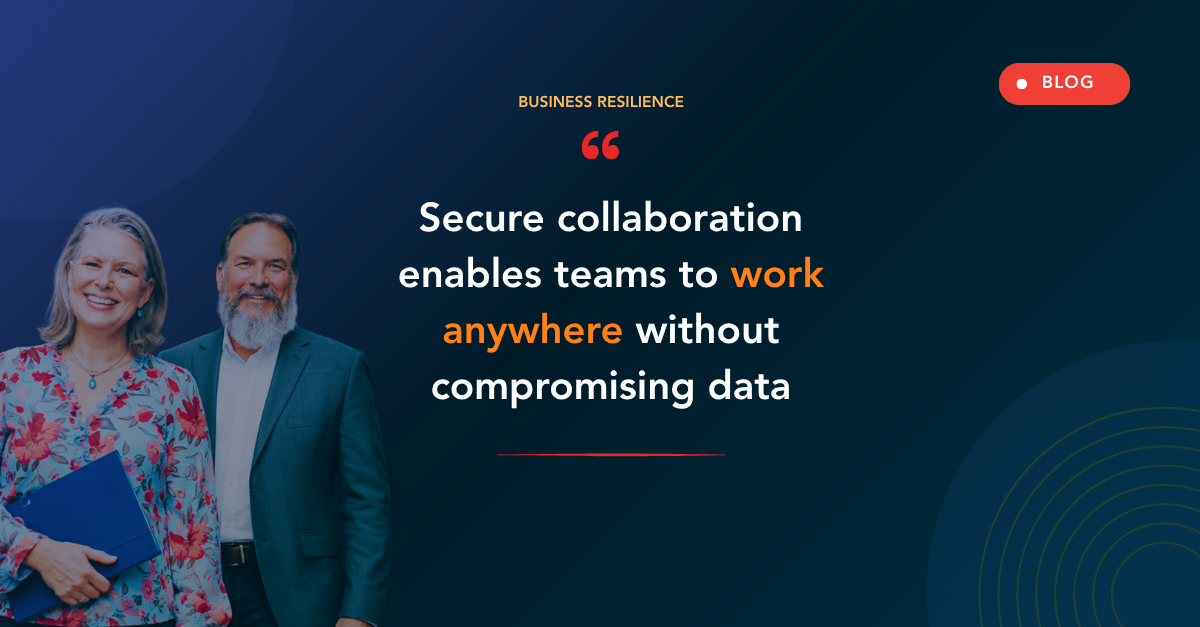
Secure collaboration platforms help reduce that risk while supporting flexible work environments.
Organizations investing in business cybersecurity protection are strengthening defenses against growing remote work threats.
Secure Collaboration Platforms Improve Access Control
One of the biggest advantages of modern collaboration systems is centralized access management.
Businesses can control:
- Who accesses files
- Which devices are authorized
- Permission levels for employees
- Sharing restrictions for sensitive information
- Multi-factor authentication requirements
This improves visibility and reduces the risk of unauthorized access.
As teams grow and workflows become more distributed, access control becomes increasingly important.
Businesses improving identity and access security are gaining stronger control over sensitive company information.

Cloud-Based Collaboration Supports Workforce Flexibility
SMBs are adopting cloud-based collaboration platforms because employees need secure access from anywhere.
Cloud collaboration systems allow teams to:
- Work remotely without losing productivity
- Access files securely across devices
- Collaborate in real time
- Reduce dependency on office-based infrastructure
- Maintain operational continuity during disruptions
This flexibility helps businesses remain agile while supporting modern workforce expectations.
Organizations modernizing remote business operations are creating more resilient and adaptable work environments.
Productivity Improves When Systems Are Centralized
Many businesses struggle with disconnected communication tools and scattered file storage systems.
Employees waste time switching between platforms or searching for information across multiple systems.
Secure collaboration platforms centralize workflows by bringing together:
- Messaging
- Video conferencing
- File management
- Team collaboration
- Task coordination
This creates a more organized and efficient work environment.
Employees spend less time managing technology and more time focusing on productive work.
Businesses implementing connected workplace systems are improving workflow consistency and team collaboration.
Businesses Need Better Visibility Across Hybrid Teams
Managing remote and hybrid teams can become difficult without centralized visibility.
Business leaders need insight into:
- Workflow activity
- Team collaboration
- File sharing
- Communication channels
- Security events
Modern collaboration platforms provide better oversight while helping businesses maintain operational consistency across distributed environments.
This visibility improves both productivity and accountability.
Organizations prioritizing network visibility solutions are improving operational oversight across hybrid environments.
Secure File Sharing Has Become Essential
File sharing is one of the most common security risks in hybrid work environments.
Employees frequently exchange:
- Contracts
- Financial documents
- Customer records
- Internal business data
- Confidential communications
Without secure collaboration systems, sensitive files may be shared through unsecured methods like personal email accounts or unmanaged applications.
Secure platforms help businesses:
- Encrypt shared data
- Restrict unauthorized downloads
- Monitor file access activity
- Maintain version control
- Prevent accidental exposure of sensitive information
This significantly improves data security.
Businesses strengthening secure data sharing practices are reducing exposure to data loss and unauthorized access.
Compliance and Data Protection Are Driving Adoption
Many industries now face stricter compliance requirements around data handling and security.
Businesses must demonstrate stronger controls over:
- Data access
- Communication security
- User authentication
- File storage and retention
- Activity monitoring
Secure collaboration platforms help organizations improve compliance readiness while reducing operational risk.
This is especially important for businesses handling:
- Financial records
- Healthcare information
- Legal documentation
- Customer-sensitive data
Organizations improving regulatory compliance readiness are strengthening security governance across hybrid environments.

Hybrid Work Requires Better Endpoint Integration
Collaboration platforms are now deeply connected to business devices and endpoints.
Employees access systems through:
- Laptops
- Smartphones
- Tablets
- Cloud-connected workstations
Secure collaboration environments integrate with endpoint security systems to improve overall protection.
This helps businesses monitor device activity, enforce security policies, and reduce vulnerabilities across remote work environments.
Businesses focused on endpoint security management are improving protection across remote and mobile devices.
AI Is Improving Collaboration Platform Security
Artificial intelligence is playing a growing role in collaboration platform security.
Modern AI-driven tools help identify:
- Suspicious login activity
- Unusual file sharing behavior
- Potential phishing attempts
- Compromised accounts
- Abnormal communication patterns
AI-powered monitoring helps businesses detect threats earlier and respond faster.
This creates a more proactive security environment for hybrid work operations.
Organizations adopting AI-powered threat monitoring are improving cybersecurity response capabilities across collaboration systems.
Why SMBs Are Prioritizing Scalable Collaboration Solutions
As businesses grow, communication and workflow complexity increase.
SMBs need systems that can scale without creating operational bottlenecks.
Secure collaboration platforms help businesses:
- Add users easily
- Support remote expansion
- Improve operational consistency
- Streamline communication workflows
- Reduce IT management complexity
Scalable collaboration infrastructure supports long-term business growth while maintaining flexibility.
Businesses investing in scalable technology infrastructure are building more efficient and secure hybrid work environments.
How CMIT Solutions of Greenville Helps Businesses Build Secure Hybrid Work Environments
At CMIT Solutions of Greenville, businesses receive support for implementing secure, scalable collaboration systems designed for today’s hybrid workforce.
Organizations across the Greater Greenville region benefit from:
- Secure cloud collaboration platform management
- Hybrid workforce security solutions
- Access control and identity management
- Endpoint and device security integration
- Secure file sharing and communication systems
- Cybersecurity monitoring and threat protection
- Strategic IT planning for scalable remote work environments
The goal is not simply enabling remote work.
It’s helping businesses create secure, efficient, and resilient collaboration environments that support long-term growth.
Businesses implementing strategic IT planning are aligning collaboration technology with operational and security goals.
Why Secure Collaboration Matters More in 2026
Hybrid work is no longer a trend.
It’s now a permanent operational model for many businesses.
As organizations become more digitally connected, secure collaboration infrastructure is becoming essential for:
- Business continuity
- Employee productivity
- Data protection
- Operational efficiency
- Cybersecurity resilience
Businesses that invest in secure collaboration platforms today are better positioned to support flexible work environments while reducing long-term operational risk.
Organizations adopting secure hybrid workplace solutions are improving both workforce flexibility and cybersecurity resilience.
Conclusion: Secure Collaboration Is Now Business Infrastructure
Collaboration platforms are no longer simple communication tools.
In 2026, they play a critical role in how businesses operate, communicate, protect data, and support hybrid workforces.
For Greenville SMBs, secure collaboration platforms provide more than convenience.
They create stronger security, better operational visibility, improved productivity, and greater flexibility for long-term business growth.