Cyberattacks are no longer rare business disruptions.
In 2026, they’ve become an ongoing operational risk for businesses of every size.
From ransomware attacks to accidental data deletion and system compromise, organizations across Greenville and the Upstate region are facing increasing pressure to protect critical business data.
And while cybersecurity prevention remains essential, businesses are realizing something equally important:
No security system is perfect.
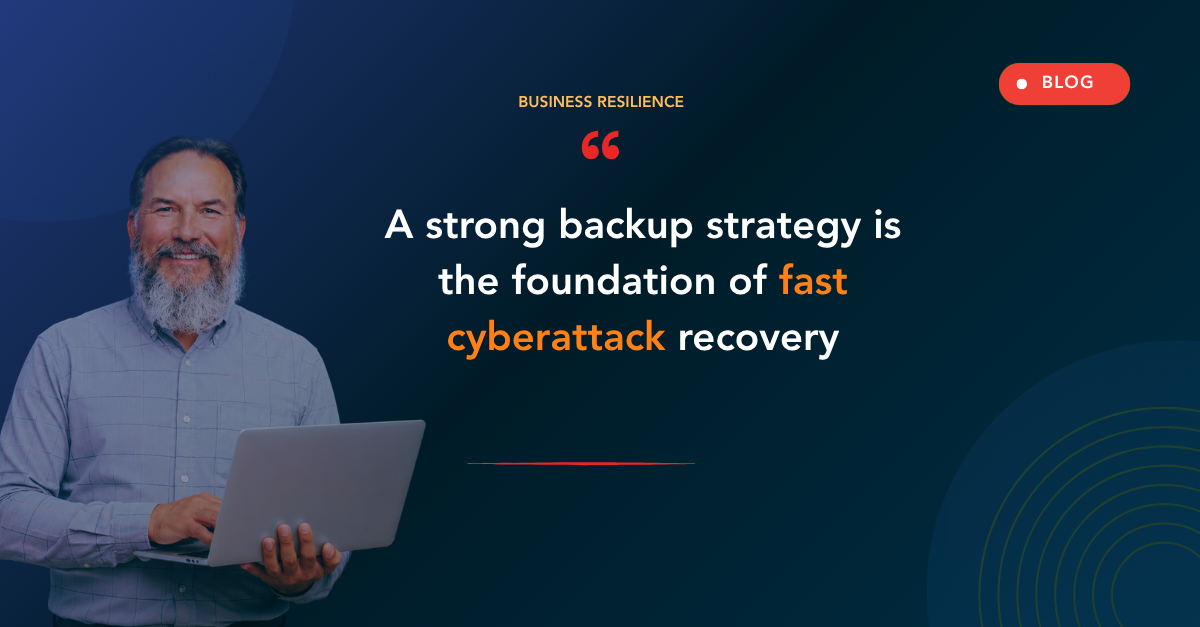
The real difference between a temporary disruption and a major business crisis often comes down to one thing how quickly a company can recover.
That’s why business continuity planning is becoming a critical part of modern operational strategy.
Today’s backup solutions are no longer just about storing copies of files.
They are designed to help businesses recover faster, minimize downtime, reduce financial losses, and maintain operational stability after cyber incidents.
This article explores how modern backup strategies are evolving in 2026 and why businesses are investing in smarter recovery solutions.
Why Traditional Backup Approaches Are No Longer Enough
For years, many businesses treated backups as a basic IT checklist item.
Files were copied periodically and stored on local servers or external drives.
The problem is that modern cyber threats have evolved far beyond what traditional backup systems were designed to handle.
Today’s businesses face:
- Ransomware attacks targeting backup systems
- Cloud-based data vulnerabilities
- Human error and accidental deletion
- Insider threats
- Hardware failures
- Distributed hybrid work environments
In many cases, outdated backup systems create a false sense of security.
Businesses often discover backup weaknesses only after a major incident occurs.
Organizations modernizing cyber resilience strategies are increasingly prioritizing secure recovery planning.
Cyberattacks Are Increasingly Targeting Business Data
Modern cybercriminals understand that data is one of the most valuable business assets.
Ransomware attacks now commonly target:
- Production systems
- Cloud storage environments
- Backup repositories
- Shared file systems
Attackers attempt to encrypt or destroy backups to prevent businesses from recovering independently.
This creates greater pressure to pay ransom demands.
As a result, backup strategies in 2026 must focus not only on data storage but also on backup resilience and recovery speed.
Businesses implementing ransomware protection solutions are improving recovery readiness and reducing operational risk.
What Makes a Backup Strategy “Smart” in 2026?
Modern backup strategies are becoming more intelligent, automated, and recovery-focused.
A smart backup strategy includes:
- Automated backup scheduling
- Multiple backup locations
- Cloud and offsite redundancy
- Immutable backup storage
- Fast recovery capabilities
- Continuous monitoring and testing
- Integration with cybersecurity systems
The goal is no longer simply preserving data.
The goal is maintaining business continuity during and after disruptions.
Businesses investing in secure cloud infrastructure are gaining more flexibility and resilience across distributed environments.
Faster Recovery Is Now the Priority
For many businesses, downtime creates immediate financial impact.
Even short outages can disrupt:
- Customer service
- Sales operations
- Employee productivity
- Internal communication
- Revenue generation
Smart backup systems are designed to reduce Recovery Time Objectives (RTOs) the amount of time needed to restore operations.
Modern recovery solutions help businesses:
- Restore files quickly
- Recover entire systems faster
- Minimize operational interruptions
- Resume critical business functions sooner
The faster recovery happens, the lower the overall business impact.
Organizations focused on operational efficiency are increasingly prioritizing rapid recovery capabilities.
Immutable Backups Help Defend Against Ransomware
One of the biggest advancements in backup security is immutable storage.
Immutable backups cannot be altered, encrypted, or deleted during a defined retention period.
Even if attackers gain access to systems, immutable backups remain protected.
This provides businesses with a reliable recovery option during ransomware incidents.
Immutable backup technology is becoming a core component of modern cyber resilience strategies.
Businesses improving data protection planning are strengthening defenses against ransomware-related data loss.
Cloud-Based Backup Improves Flexibility and Accessibility
Businesses are increasingly adopting cloud-based backup solutions because of their scalability and accessibility.
Cloud backups help organizations:
- Protect remote work environments
- Maintain offsite redundancy
- Improve disaster recovery capabilities
- Access backups securely from multiple locations
- Scale storage more efficiently
For hybrid and distributed workforces, cloud backup has become essential for maintaining operational continuity.
Businesses embracing remote workforce technology are also improving centralized backup visibility across connected systems.
Backup Automation Reduces Human Error
Manual backup processes often create inconsistencies and gaps in protection.
Employees may forget to complete backups or fail to verify backup integrity.
Smart backup systems automate critical processes, including:
- Scheduled backups
- Data replication
- Integrity verification
- Backup monitoring
- Alert notifications
Automation improves reliability while reducing the risk of human oversight.
Companies implementing automated IT workflows are reducing operational inefficiencies and backup management risks.
Continuous Backup Monitoring Improves Reliability
Many businesses assume backups are functioning properly until they attempt recovery during an emergency.
Unfortunately, failed backups often go unnoticed without active monitoring.
Modern backup solutions continuously monitor:
- Backup completion status
- Storage health
- Failed backup attempts
- Data corruption risks
- Recovery readiness
This proactive oversight helps ensure backups are actually usable when needed most.
Organizations improving network visibility are gaining better insight into backup performance and system health.

Recovery Testing Has Become a Business Necessity
A backup is only valuable if recovery works successfully.
That’s why businesses are increasingly performing routine recovery testing.
Testing helps verify:
- Backup integrity
- Recovery speed
- System compatibility
- Disaster recovery workflows
- Business continuity readiness
Organizations that regularly test recovery processes are often able to restore operations significantly faster after cyber incidents.
Businesses prioritizing disaster recovery readiness are improving long-term operational resilience.
Cyber Insurance and Compliance Requirements Are Driving Change
Many cyber insurance providers now require stronger backup and recovery practices before approving coverage.
Regulatory frameworks are also placing greater emphasis on:
- Data recovery capabilities
- Disaster recovery planning
- Backup security controls
- Operational resilience
Businesses without modern backup strategies may face:
- Higher insurance costs
- Compliance risks
- Greater financial exposure after attacks
Smart backup planning is becoming both a cybersecurity requirement and a business risk management strategy.
Organizations focused on regulatory readiness are strengthening backup governance and security controls.
Hybrid Work Has Increased Backup Complexity
Remote and hybrid work environments have expanded the number of systems businesses must protect.
Employees now generate and store data across:
- Cloud applications
- Remote devices
- Collaboration platforms
- Home networks
- Mobile systems
This distributed environment requires more centralized and intelligent backup management.
Modern backup solutions provide visibility and protection across increasingly decentralized infrastructures.
Businesses modernizing digital collaboration systems are also improving secure access and backup consistency.

Backup and Cybersecurity Must Work Together
Backup systems can no longer operate separately from cybersecurity strategies.
Modern cyber resilience depends on integration between:
- Threat detection systems
- Endpoint security
- Access control management
- Backup monitoring
- Incident response planning
Smart backup solutions help businesses recover after attacks while cybersecurity systems work to prevent attacks from spreading further.
Together, they create a stronger overall security posture.
Organizations investing in integrated security management are improving both prevention and recovery capabilities.
How CMIT Solutions of Greenville Helps Businesses Improve Backup and Recovery
At CMIT Solutions of Greenville, backup and disaster recovery strategies are designed to support both cybersecurity resilience and business continuity.
Businesses across the Greater Greenville region benefit from:
- Automated and monitored backup solutions
- Secure cloud and offsite backup management
- Immutable backup protection against ransomware
- Disaster recovery planning and testing
- Fast recovery support during cyber incidents
- Integrated cybersecurity and backup strategies
- Scalable data protection solutions for growing businesses
The goal is not simply storing data.
It’s helping businesses recover quickly, minimize disruption, and maintain operational confidence during unexpected events.
Organizations improving technology resilience are creating stronger foundations for long-term growth and continuity.
Why Smart Backup Strategies Matter More in 2026
Cyberattacks are becoming more sophisticated, more disruptive, and more financially damaging.
At the same time, businesses are becoming increasingly dependent on digital systems and data availability.
Organizations that recover quickly after an incident often experience:
- Less downtime
- Lower financial losses
- Faster operational recovery
- Greater customer confidence
- Improved long-term resilience
Smart backup strategies are no longer optional IT tools.
They are a core part of modern business survival and continuity planning.
Businesses implementing scalable IT infrastructure are improving both security and recovery flexibility.
Conclusion: Recovery Speed Has Become a Competitive Advantage
Cybersecurity is no longer only about preventing attacks.
It’s also about how effectively businesses recover when disruptions happen.
In 2026, smart backup strategies are helping businesses recover faster, reduce operational downtime, and maintain continuity during increasingly complex cyber threats.
For businesses throughout Greenville and the Upstate region, backup and recovery planning has become a strategic investment in resilience, stability, and long-term growth.