

The Castle Walls Are Gone
For years, cybersecurity was straightforward: build a strong perimeter around your network and keep the bad guys out.
But the way nonprofits operate has changed dramatically. Today, employees work remotely, volunteers access applications from home, board members review documents from tablets, and critical systems live in the cloud. The traditional network perimeter has essentially disappeared.
That’s why cybersecurity experts now say:
Identity is the new perimeter.
When your donor database, financial software, Microsoft 365 environment, and fundraising platforms are all cloud-based, the real question is no longer “Who can access our network?” It’s “Who can access our accounts?”
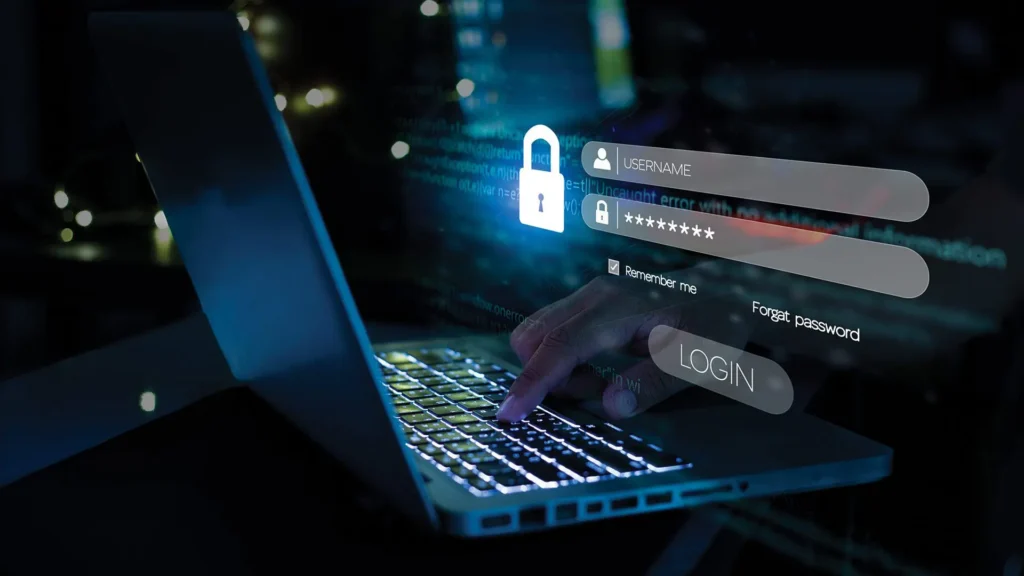
Cybercriminals Don’t Break In Anymore. They Log In.
Many organizations still picture cyberattacks as someone attempting to hack through a firewall.
In reality, most modern attacks are much simpler.
Cybercriminals use phishing emails, credential theft, and social engineering to gain access to legitimate user accounts. Once they have valid credentials, they can often move through systems unnoticed because, from a security perspective, they appear to be an authorized user.
Think of it this way:
It’s much easier to steal a key than it is to knock down a wall.
That’s exactly why attackers have shifted their focus from networks to identities.
Why Nonprofits Are Increasingly Targeted
Nonprofits often have something attackers want: valuable data.
This can include:
- Donor information
- Credit card details
- Employee records
- Financial data
- Grant documentation
- Client or constituent information
At the same time, many nonprofits operate with limited IT resources and small technology teams.
That doesn’t mean nonprofits are less security-conscious. It simply means they face the challenge of balancing cybersecurity investments with mission-driven priorities.
Unfortunately, cybercriminals understand this reality all too well.
The Hidden Risk of Volunteers and Staff Turnover
One challenge unique to many nonprofits is the constant flow of volunteers, board members, contractors, and seasonal staff.
When people leave an organization, their access should leave too.
Yet many nonprofits discover they still have:
- Former volunteer accounts
- Inactive user profiles
- Shared passwords
- Excessive permissions
These forgotten accounts can become easy entry points for attackers.
Regular access reviews are one of the simplest and most effective ways to reduce risk.

What Identity-First Security Looks Like
Identity-first security shifts focus from protecting networks to protecting users and access.
Here are three of the most important components:
1) Multifactor Authentication (MFA)
Passwords alone are no longer enough.
MFA requires an additional verification step, making it significantly harder for attackers to use stolen credentials.
For most nonprofits, enabling MFA across all accounts is one of the fastest ways to strengthen security.
2) Least-Privilege Access
Not everyone needs access to everything.
Staff, volunteers, and board members should only have access to the systems and information necessary for their roles.
Limiting access reduces risk and helps contain potential breaches.
3) Regular Access Reviews
Organizations should routinely ask:
Who has access to our critical systems today?
If the answer isn’t immediately clear, it’s time for an audit.
Quarterly reviews help ensure that permissions remain appropriate and that inactive accounts are removed promptly.
Why This Matters Beyond IT
A cyberattack doesn’t just impact technology. It impacts your mission.
A breach can:
- Damage donor trust
- Interrupt fundraising efforts
- Delay program delivery
- Expose sensitive constituent information
- Create reputational challenges that take years to repair
For nonprofits, cybersecurity is no longer just an IT responsibility. It’s an organizational responsibility. Protecting identities means protecting the relationships, data, and trust that make your mission possible.
The new question Nonprofits need to ask:
“How well are we protecting the people and accounts that access our systems?”
Organizations that embrace identity-first security will be better positioned to protect donor information, maintain trust, and continue delivering on their mission in an increasingly digital world.
Ready to Strengthen Your Nonprofit’s Security?
At CMIT Solutions of Rochester, we help nonprofits implement practical, affordable cybersecurity strategies that protect donor data, strengthen access controls, and reduce risk without placing additional strain on limited resources.
Schedule a Cybersecurity Risk Assessment today and discover how identity-first security can help safeguard your organization, your reputation, and the mission you serve. Contact Us!