
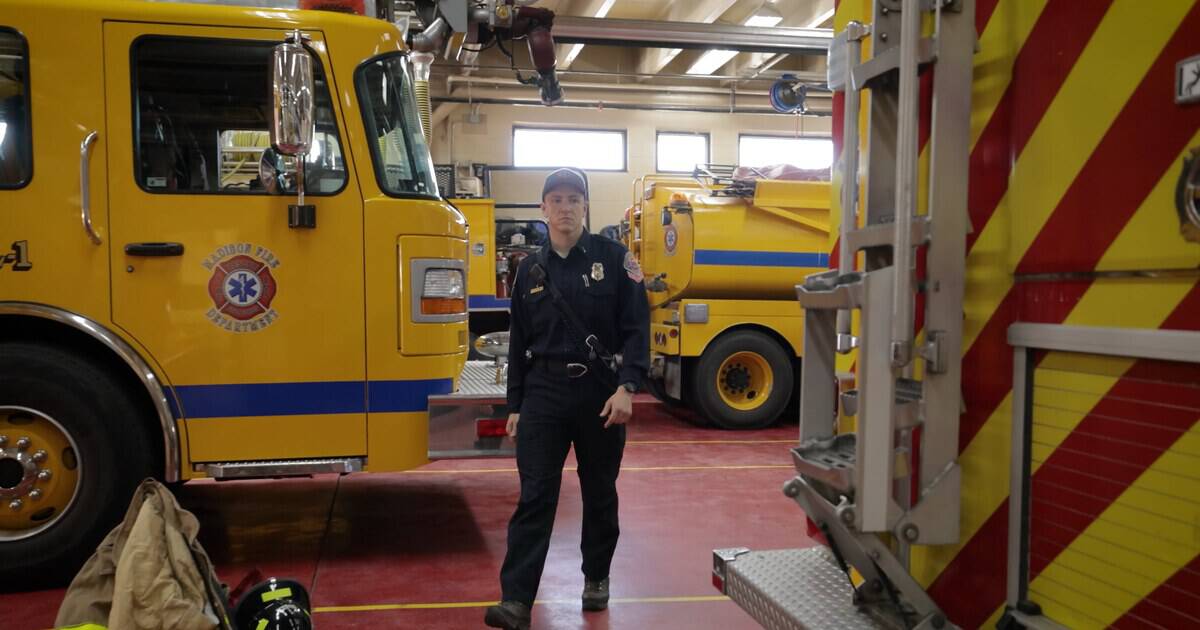
For fire departments and other public safety organizations, cybersecurity is part of operational readiness. When a technology provider experienced a major security incident, Madison Fire Department relied on CMIT Solutions to assess the potential threat, verify the security of its network and provide the information leaders needed to continue serving the community with confidence.
The incident demonstrated why public safety agencies need more than technology support. They need a responsive IT partner that understands their systems, communicates clearly during uncertain situations, and can bring the right cybersecurity resources together quickly.
The experience illustrates how responsive managed IT and cybersecurity support can help a public safety organization remain focused on its mission, even when an incident involving an outside technology provider creates uncertainty:
- Madison Fire Department serves a 450-square-mile area.
- The department relies on multiple technology platforms to support emergency response.
- A cyber incident involving a third-party provider raised urgent questions about operational risk.
- CMIT Solutions placed someone on site and engaged its security team.
- The department received prompt confirmation that its systems were not directly threatened.
- Fire department leaders remained focused on protecting lives and property.
Why Cybersecurity Matters to Public Safety Organizations
Madison Fire Department is responsible for protecting life and property across a large service area. That responsibility requires personnel to remain focused on emergency response, training, equipment, and the needs of the community.
It does not leave department leaders with time to monitor cybersecurity threats, investigate software vulnerabilities, or determine how an incident involving an outside technology provider could affect internal systems.
As Fire Chief Corey Child explained, fighting a house fire is familiar territory. Protecting an IT system requires a different set of skills.
That distinction is important. Fire departments, emergency medical services and other public safety organizations increasingly depend on connected technology, including:
- Emergency response and dispatch systems
- Mobile devices used by first responders
- Medical data platforms
- Communication and collaboration tools
- Administrative systems
- Networks connecting stations, vehicles and personnel
- Third-party applications used to coordinate patient care
If one of those systems becomes unavailable, or if leaders cannot quickly determine whether it is safe, the consequences can extend beyond ordinary business downtime.
What Happens When a Public Safety Technology Vendor Is Attacked?
Madison Fire Department uses several platforms to support its operations. When Stryker, a provider whose technology is widely used by first responders, medical organizations and hospitals, experienced a major security incident, the department needed immediate answers.
The technology involved helps first responders transmit patient information from medical devices to hospitals before the patient arrives. That advance information can help hospital teams prepare for treatment.
According CMIT Solutions’ Security Expert Laurel Mueller, Stryker’s affected devices had been wiped clean. Area hospitals began issuing statements that they would not allow the devices to connect to their wireless networks.
For Madison Fire Department, the central question was straightforward: Did the incident create a threat to the department or its systems?
This is a common challenge in third-party cybersecurity incidents. An organization may not have been attacked directly, but it still needs to determine:
- Whether its network or data was exposed
- Whether affected devices can be used safely
- Whether connections to other organizations remain secure
- Whether operations need to change
- What employees and partner organizations should be told
- What employees and partner organizations should be told
- Whether additional monitoring or remediation is necessary
Without access to cybersecurity expertise, answering those questions can take valuable time and create unnecessary uncertainty.
How Did CMIT Solutions Respond?
CMIT Solutions responded quickly to Madison Fire Department’s concerns. A CMIT professional was placed on site, and the broader security team was brought into the response.
The team evaluated what had occurred and examined whether there was evidence of malicious activity within the department’s network. CMIT Solutions was then able to assure the department that the Stryker incident did not present a direct threat to Madison Fire Department or its internal systems.
That rapid response provided more than a technical answer. It gave department leaders the clarity they needed to make informed operational decisions.
CMIT Solutions brought together:
- Knowledge of the department’s technology environment
- Access to cybersecurity specialists
- On-site support
- Network and security information
- An understanding of the external incident
- Clear communication with department leadership
This combination of local responsiveness and broader cybersecurity resources distinguished Madison Fire Department from organizations that did not have the same connections or access to timely information.
The Value of a Responsive Managed IT Partner
Public safety leaders should not have to become cybersecurity specialists. They do, however, need a trusted resource who will answer when something goes wrong.
For Madison Fire Department, that confidence is central to the relationship with CMIT Solutions.
“If a need ever arises, I pick up the phone and I call, and they answer, and the problem is resolved,” said Fire Chief Child.
That responsiveness allows the department to concentrate on its primary mission. Firefighters and emergency personnel routinely respond to someone else’s worst day. Their job is to bring order, assistance, and reassurance to difficult situations.
CMIT Solutions provides that same sense of preparedness and support for the department’s technology. When a risk emerges, leaders know whom to call, and they know their concern will be taken seriously.
What Other Public Safety Organizations Can Learn
The Madison Fire Department case illustrates several important lessons for fire departments, emergency services and local government organizations.
Know which outside vendors connect to critical operations
Third-party platforms can create operational dependencies even when they are not directly managed by the organization. Public safety agencies should maintain an inventory of essential vendors, devices, applications and network connections.
Plan for third-party cybersecurity incident
An incident response plan should address more than an attack on the organization itself. It should also establish what happens when a technology vendor, hospital, communications provider, or other essential partner experiences an incident.
Make sure cybersecurity expertise is immediately available
When critical systems are involved, waiting days for an answer is not acceptable. A managed IT and cybersecurity partner should be able to investigate the concern, coordinate specialists, and communicate practical next steps.
Maintain visibility into the network
Organizations need sufficient network monitoring and documentation to determine whether suspicious activity has occurred. Without visibility, even confirming that a system is safe can become difficult.
Test operational alternatives
If a connected device or third-party platform becomes unavailable, teams should understand how essential services will continue. Cybersecurity planning and business continuity planning should work together.
What This Means for Your Organization
Cybersecurity incidents do not have to originate inside your organization to affect your operations. A problem involving a software provider, equipment manufacturer, cloud platform or other technology partner can create urgent questions about data, connectivity and service continuity.
CMIT Solutions’ security first approach to cybersecurity helps organizations prepare for those moments with managed IT services, cybersecurity protection, network monitoring, technology guidance and responsive local support backed by national resources.
The goal is not simply to fix technology after it fails. It is to give leaders the confidence that their systems are protected, their risks are understood, and help is available when circumstances change.
Madison Fire Department protects people and property across 450 square miles. With CMIT Solutions managing its technology and cybersecurity needs, the department can remain focused on that mission.
Is your organization prepared for a cybersecurity incident involving one of its critical technology providers?
Get Your Cybersecurity Score to identify potential gaps in your current protections or contact your local CMIT Solutions office to discuss security-first managed IT and cybersecurity support.